
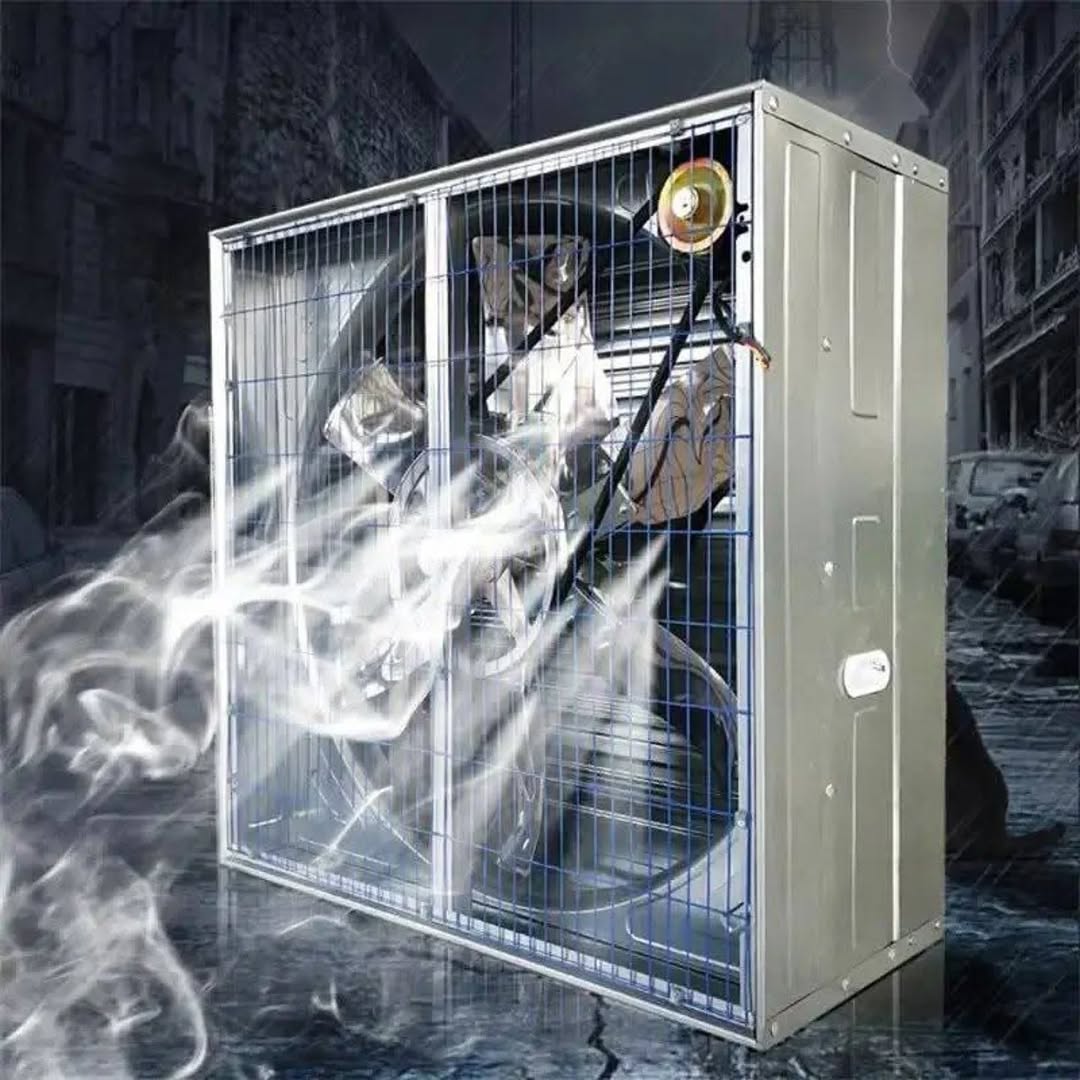
f you’re looking beyond hydropower, industrial fans are not just a niche solution—they’re practically the backbone of airflow management across multiple industries. Anywhere there’s heat, dust, fumes, or the need for controlled airflow, you’ll find industrial ventilation systems doing the heavy lifting.
Here’s a deeper look at other industries that heavily depend on industrial fans and why they simply can’t operate efficiently without them:
1. Manufacturing and Processing Plants
Manufacturing environments are often packed with machines that generate intense heat and airborne particles. Industrial fans are used to remove hot air, control dust, and maintain safe working conditions.
Think about metal fabrication or plastic molding—temperatures can spike quickly. Without proper ventilation, machines overheat and workers face uncomfortable or even hazardous conditions. Industrial fans ensure continuous airflow, improving both productivity and safety.
2. Warehouses and Logistics Centers
Large warehouses may look simple, but they trap heat easily, especially in regions with warm climates like Kenya. Industrial fans are essential for circulating air across wide spaces.
High-volume low-speed (HVLS) fans are commonly used here to create consistent airflow, reducing heat buildup and improving comfort for workers. They also help protect stored goods from moisture damage and condensation.
3. Agriculture and Greenhouses
https://thecoldroomkahuna.com/product/industrial-fan/
In agriculture, airflow is everything. Whether it’s a poultry farm, dairy facility, or greenhouse, industrial fans regulate temperature, humidity, and air quality.
For greenhouses, proper ventilation ensures plants receive enough CO₂ while preventing overheating. In livestock farming, fans help remove ammonia and maintain a healthy environment for animals. Without ventilation, productivity drops significantly.
4. Food Processing and Cold Storage
This is especially relevant to your field. Food processing plants and cold rooms rely heavily on industrial fans to maintain temperature consistency.
In cold storage, fans distribute cold air evenly to prevent hot spots that could spoil products. In processing plants, they help remove heat and control humidity, ensuring food safety standards are met.
5. Mining and Cement Industries
https://thecoldroomkahuna.com/product/centrifugal-fan-kenya
Mining environments are dusty, hot, and often underground. Industrial fans are used to supply fresh air and remove harmful gases and dust particles.
In cement plants, fans handle high-temperature air and heavy particulate matter. These are not ordinary fans—they are heavy-duty systems designed to operate under extreme conditions.
6. Power Generation Plants (Thermal, Solar, and Wind)
Hydropower isn’t the only energy sector that relies on ventilation. Thermal power plants use industrial fans to cool boilers, turbines, and generators.
Even solar inverter rooms and wind turbine control systems require ventilation to prevent overheating. Industrial fans ensure stable performance across all power generation technologies.
7. Automotive and Paint Workshops
In automotive factories and spray painting booths, ventilation is critical for removing fumes, chemicals, and heat.
Industrial fans help maintain air quality, ensuring harmful vapors are extracted efficiently. This not only protects workers but also improves the quality of paint finishes by controlling airflow patterns.
8. Data Centers and Server Rooms
This might surprise you, but data centers rely heavily on industrial-grade ventilation systems. Servers generate massive amounts of heat, and without cooling, they would fail within minutes.
Industrial fans are used alongside HVAC systems to maintain optimal temperatures and ensure uninterrupted digital operations.
9. Textile and Garment Industry
Textile factories produce fibers, lint, and heat during production. Industrial fans help control airborne particles and maintain airflow.
Proper ventilation improves machine efficiency and reduces fire risks caused by accumulated lint and dust.
10. Chemical and Pharmaceutical Industries
These industries deal with hazardous fumes and sensitive processes. Industrial fans are used for exhaust ventilation, ensuring toxic gases are safely removed.
They also help maintain controlled environments required for chemical reactions and pharmaceutical production.
Why Industrial Fans Are Universal Across Industries
Across all these sectors, the purpose remains the same:
- Heat removal
- Air circulation
- Contaminant control
- Humidity regulation
It doesn’t matter if it’s a hydropower plant or a greenhouse—the principle is identical. Airflow equals control. And control equals efficiency, safety, and longevity.
Quick Comparison of Industry Applications
| Industry | Main Purpose of Fans | Key Benefit |
|---|---|---|
| Manufacturing | Heat & dust removal | Worker safety & machine efficiency |
| Warehousing | Air circulation | Comfort & product protection |
| Agriculture | Temperature & humidity control | Increased yield |
| Cold Storage | Even cooling distribution | Food preservation |
| Mining | Air supply & dust removal | Safety |
| Power Plants | Equipment cooling | System reliability |
| Automotive | Fume extraction | Health & quality control |
| Data Centers | Heat dissipation | Prevent downtime |
| Textile | Dust & heat control | Fire risk reduction |
| Chemical | Gas extraction | Hazard prevention |
Industrial fans are everywhere for a reason—they solve one of the most fundamental challenges in any operation: managing air and heat effectively. Whether you’re dealing with turbines, crops, servers, or food storage, the right ventilation system makes all the difference.