
Why Proper Fresh Air Intake Is Important in Industrial Buildings, Warehouses and Commercial Kitchens

Industrial ventilation is not just about removing hot air, smoke, dust and unwanted fumes from a building. An effective ventilation system must also provide an adequate supply of fresh outdoor air to replace the air being extracted.

Factories, warehouses, workshops, commercial kitchens and agricultural buildings can experience poor ventilation when extraction fans operate without properly planned replacement-air openings. This can affect airflow, indoor conditions and the overall performance of mechanical ventilation systems.

For businesses in Kenya and across East Africa, proper fresh-air intake is an important consideration when designing, upgrading or maintaining industrial ventilation systems.

Whether you operate a manufacturing facility in Nairobi, a warehouse in Mombasa, a commercial kitchen in Kisumu or an agricultural facility in Tanzania, understanding how fresh-air intake works can help you make better ventilation decisions.

1. What Is Industrial Fresh Air Intake?

Industrial fresh-air intake refers to the controlled introduction of outdoor air into a building through designated openings or mechanical ventilation equipment.

In a mechanically ventilated building, extraction fans remove indoor air and create a pressure difference that encourages replacement air to enter through suitable intake points.

These intake points may include:

  • Industrial air inlet vents.
  • Fresh-air intake louvers.
  • Wall-mounted ventilation openings.
  • Mechanical fresh-air supply fans.
  • Ducted air intake systems.

The appropriate arrangement depends on the building size, ventilation requirements, occupancy, heat sources and type of activities taking place inside.

One important component is the industrial air inlet vent, which provides a designated opening for outdoor air to enter the building.

2. Why Do Industrial Buildings Need Proper Fresh-Air Intake?

Many businesses concentrate on purchasing powerful extraction fans without considering how replacement air will enter the building.

However, extraction and air intake need to work together.

When extraction fans remove large volumes of indoor air, the building needs a suitable replacement-air pathway. If the available intake openings are inadequate, the system may experience excessive negative pressure.

This can contribute to:

  • Reduced extraction airflow.
  • Difficulty opening and closing doors.
  • Uncontrolled air entry through gaps.
  • Uneven air distribution.
  • Poor ventilation performance.
  • Increased demand on mechanical ventilation equipment.

Providing appropriately sized and positioned air intake openings helps ventilation designers develop a more balanced system.

3. Fresh-Air Intake in Factories and Manufacturing Plants

Factories often generate heat, fumes, moisture and airborne contaminants through manufacturing activities and industrial processes.

Welding workshops, fabrication facilities, production plants and processing factories may require dedicated mechanical ventilation systems to remove unwanted indoor air.

Industrial extraction fans and centrifugal blowers can help remove air from designated areas, but sufficient replacement air must also be available.

Fresh-air intake louvers and industrial air inlet vents can provide designated entry points for outdoor air.

For larger manufacturing facilities, the ventilation design should consider:

  • Production equipment and heat-generating machinery.
  • Building dimensions and ceiling height.
  • Required extraction airflow.
  • Location of fresh-air intake openings.
  • Air distribution throughout the working area.
  • Filtration requirements where outdoor air contains dust or other contaminants.

For factories with significant heat or fumes, general ventilation may need to be supplemented with dedicated local exhaust systems.

4. Warehouse Ventilation and Fresh-Air Replacement

Large warehouses can accumulate heat, particularly in buildings with metal roofing, limited ventilation openings and high ceilings.

Storage facilities, distribution centres and industrial warehouses may experience uncomfortable indoor temperatures, especially during hot weather.

A mechanical ventilation system can help remove accumulated indoor heat and introduce replacement outdoor air.

However, installing extraction fans without considering fresh-air intake can limit the effectiveness of the overall arrangement.

Industrial air inlet vents can be installed at suitable positions to provide designated air entry points.

When designing warehouse ventilation, consider:

  • Total floor area and building height.
  • Number and capacity of extraction fans.
  • Position of air intake openings.
  • Heat generated by stored materials and equipment.
  • Outdoor temperature and humidity.
  • Air distribution across the warehouse.

For large warehouses, a professional ventilation assessment is recommended to determine the appropriate number of intake openings and extraction fans.

5. Fresh-Air Intake for Commercial Kitchens and Restaurants

Commercial kitchens depend on effective extraction systems to remove cooking fumes, smoke, grease-laden air and excess heat.

Kitchen extraction hoods are commonly connected to ductwork and extraction fans that discharge indoor air outside the building.

However, the air removed by the extraction system must be replaced.

Without sufficient replacement air, a kitchen may experience negative pressure, which can affect extraction performance and cause difficulties with doors and other building openings.

A properly designed replacement-air system can help address these issues.

Depending on the kitchen design, replacement air may be introduced through:

  • Dedicated fresh-air supply fans.
  • Ducted replacement-air systems.
  • Suitable wall-mounted air inlet louvers.
  • Engineered mechanical ventilation arrangements.

Replacement air should be planned carefully to avoid disturbing the extraction hood’s capture performance or creating uncomfortable draughts around cooking areas.

For commercial kitchens, replacement-air design should account for the extraction hood capacity, kitchen layout, cooking equipment and applicable safety requirements.

6. Workshop, Garage and Automotive Facility Ventilation

Automotive workshops, garages and mechanical service facilities may generate heat, exhaust fumes, dust and airborne contaminants.

Proper ventilation is essential for maintaining suitable indoor working conditions.

Industrial extraction fans can be used to remove unwanted indoor air, while suitable fresh-air intake arrangements provide replacement air.

Workshops with vehicle exhaust emissions or hazardous fumes may require dedicated local extraction equipment rather than relying solely on general ventilation.

Fresh-air intake vents can form part of a broader ventilation arrangement where the outdoor air supply is suitable for the application.

7. Fresh-Air Intake in Poultry Houses and Livestock Buildings

Agricultural buildings have particular ventilation requirements.

Poultry houses, broiler farms, layer houses and livestock facilities need carefully managed air movement to control temperature, moisture and indoor air quality.

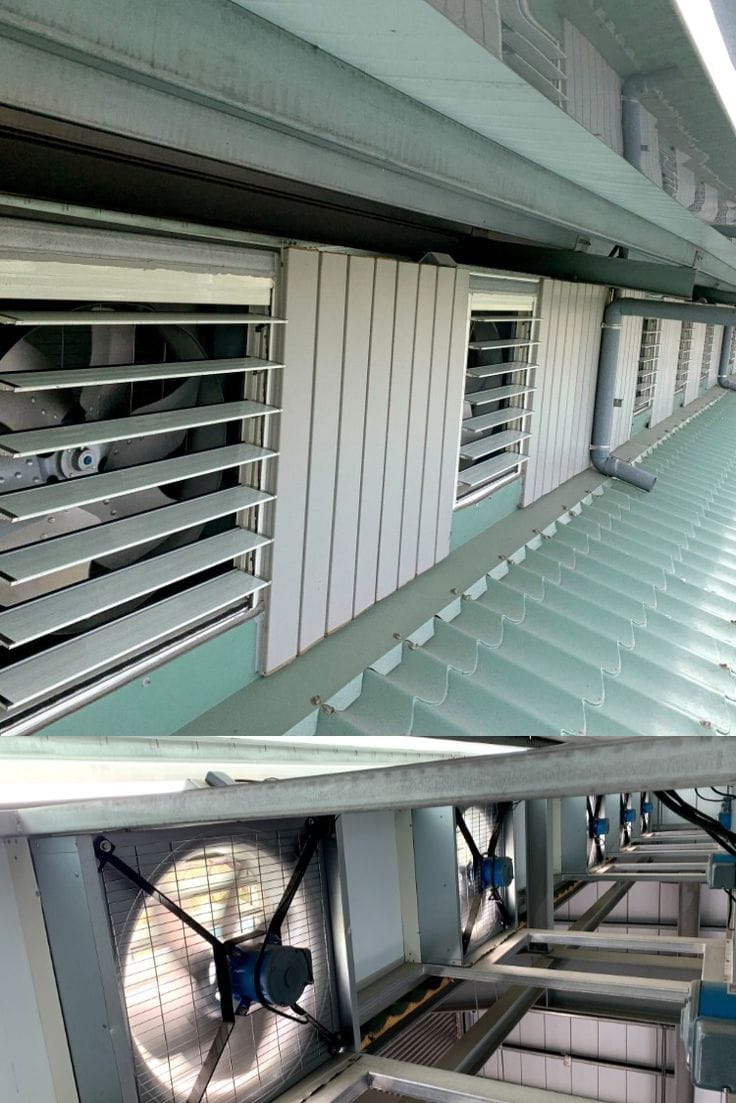
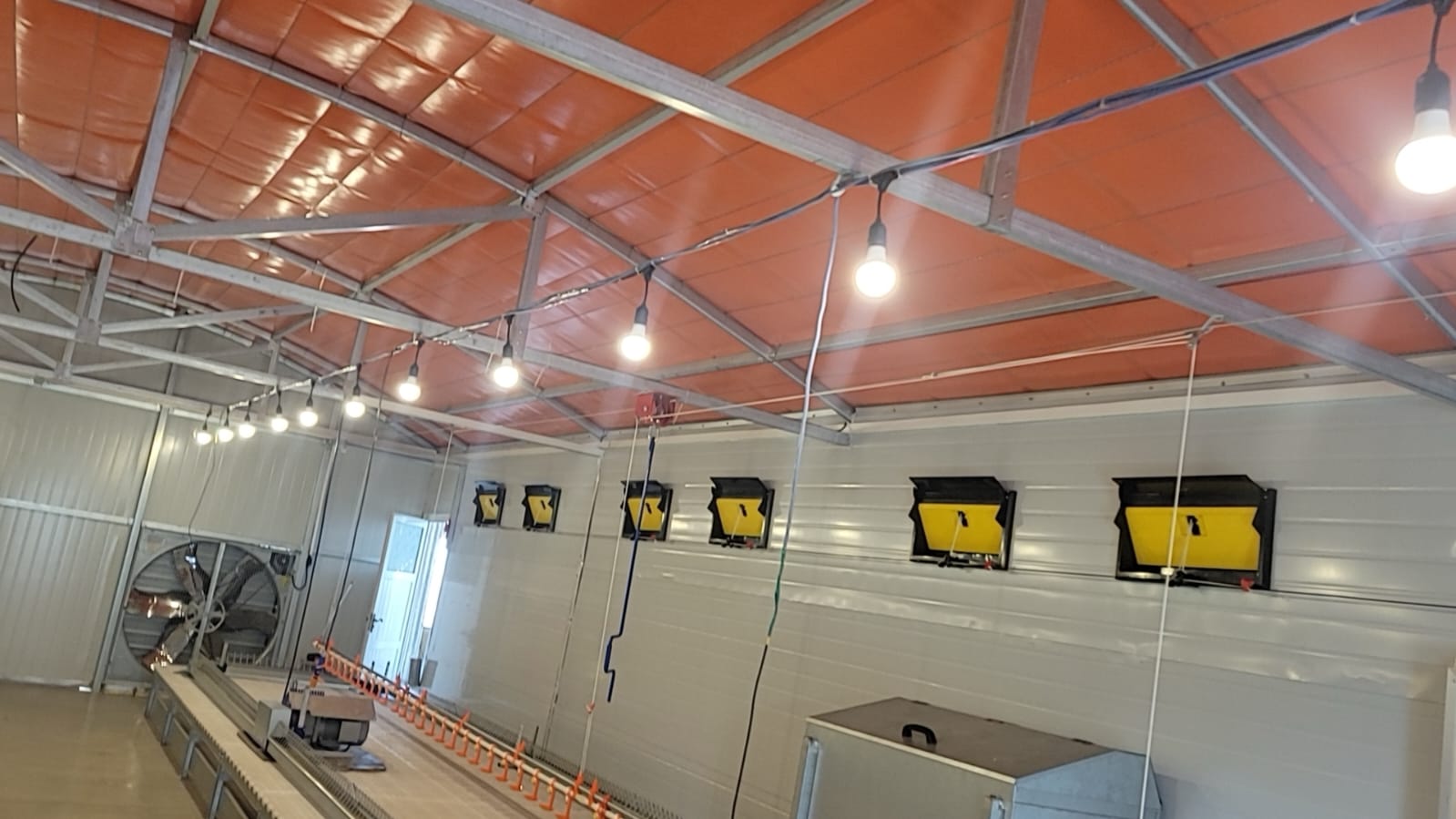
In mechanically ventilated poultry houses, extraction fans remove indoor air while air inlets provide pathways for fresh outdoor air to enter.

The positioning and adjustment of these inlets influence how incoming air moves through the building.

Poorly planned air entry can result in uneven distribution, stagnant areas or unwanted draughts.

For poultry ventilation systems, important considerations include:

  • Poultry house dimensions.
  • Bird age and stocking density.
  • Extraction fan capacity.
  • Number and positioning of air inlets.
  • Required air distribution.
  • Seasonal temperature and humidity conditions.

Manual and automatic air inlet systems are available for different ventilation designs. The correct choice depends on the building, management approach and ventilation requirements.

8. Manual Air Inlet Vents and Adjustable Directional Deflectors

Industrial air inlet vents are available in different designs and operating mechanisms.

Some models use automatic pressure-controlled opening systems, while others operate manually.

A manual air inlet vent allows the user to control the opening without relying on an automatic actuator or pressure-controlled mechanism.

Models featuring adjustable directional deflectors provide additional flexibility in directing incoming air.

This can be useful in ventilation arrangements where the direction of fresh-air entry needs to be adjusted according to the building layout.

For example, a wall-mounted inlet with an adjustable deflector can be incorporated into suitable factory, warehouse, workshop and agricultural ventilation systems.

The selection should consider the required airflow, opening dimensions, installation position and operating requirements.

9. How to Match Air Inlet Vents with Industrial Extraction Fans

An effective mechanical ventilation system requires coordination between air intake and extraction.

The extraction fans determine how much air is removed, while the available intake openings influence how replacement air enters the building.

When selecting equipment, consider the following:

Extraction fan capacity

Determine the required extraction airflow based on building volume, heat loads, occupancy and the nature of the activities inside.

Available intake area

Ensure the air intake openings provide sufficient free area for the required replacement airflow without excessive pressure losses.

Air distribution

Position intake openings to encourage suitable air movement through the occupied or working areas.

Building pressure

Consider the pressure relationship between the building interior and the outdoor environment.

Environmental conditions

Assess outdoor dust, rain exposure, temperature and humidity when selecting intake equipment.

The number of air inlet vents should not be selected simply by matching the number of extraction fans. A proper ventilation design must account for fan airflow, inlet free area, pressure losses and other system requirements.

For ducted ventilation projects and higher-pressure air movement applications, centrifugal blowers may also be appropriate.

10. Choosing the Right Industrial Air Inlet Vent

Before purchasing an air inlet vent, consider the following factors:

1. Material

Choose a material suitable for the installation environment. Plastic/PVC, aluminium and galvanised steel products are available for different applications.

2. Dimensions

Check the outer dimensions and required wall opening to ensure the product fits the intended installation location.

3. Opening mechanism

Determine whether a manual, automatic or motorised opening mechanism is appropriate.

4. Directional airflow

Adjustable directional deflectors can provide flexibility in controlling the direction of incoming air.

5. Environmental protection

Consider whether additional weather protection, insect screening or air filtration is required.

6. Ventilation capacity

Check the effective free area and pressure drop rather than relying on the outer dimensions alone.

11. Industrial Air Inlet Vents Available in Kenya

The Cold Room Kahuna supplies industrial ventilation equipment for factories, warehouses, workshops, commercial kitchens, agricultural buildings and other commercial applications in Kenya.

Our range includes the 600 × 300mm PVC Industrial Air Inlet Vent, featuring:

  • Plastic/PVC construction.
  • Manual opening mechanism.
  • Adjustable directional deflector.
  • Outer dimensions of 600 × 300mm.
  • Specified wall opening of 545 × 260mm.

This wall-mounted fresh-air intake louver provides a designated entry point for outdoor air in compatible mechanical ventilation systems.

Explore our 600 × 300mm PVC Industrial Air Inlet Vent.

We also supply industrial ventilation fans and centrifugal blowers for suitable air extraction and movement applications.

Explore our related products and services:

12. Industrial Ventilation Equipment Supply Across Kenya and East Africa

Choosing the right ventilation equipment is important for factories, warehouses, commercial kitchens, workshops and agricultural facilities.

The Cold Room Kahuna provides industrial ventilation and air movement equipment in Nairobi and across Kenya, with supply solutions for customers in Tanzania, Uganda, Rwanda and South Sudan.

Whether you are improving an existing ventilation system or planning a new project, we can assist with enquiries for suitable air inlet vents, industrial fans and centrifugal blowers.

Contact The Cold Room Kahuna

Phone / WhatsApp: +254 745 105691

Email: info@thecoldroomkahuna.com

Website: https://thecoldroomkahuna.com/

Contact us for industrial air inlet vents, ventilation equipment and fresh-air intake solutions in Kenya and East Africa.

Frequently Asked Questions

What is the purpose of a fresh-air intake vent?

A fresh-air intake vent provides a designated opening for outdoor air to enter a building. It is commonly used alongside mechanical extraction fans to provide replacement air in industrial and commercial ventilation systems.

Why do warehouses need fresh-air intake?

Warehouses may use mechanical extraction to remove accumulated heat and stale air. Fresh-air intake openings provide replacement air and help support the intended airflow through the building.

Can air inlet vents work with industrial extraction fans?

Yes. Air inlet vents can work alongside industrial extraction fans as part of a mechanical ventilation system. Their size, number and position should be selected according to the required airflow and pressure conditions.

What is the difference between manual and automatic air inlet vents?

Manual air inlet vents are operated by hand, while automatic models use mechanisms such as pressure control or actuators to regulate opening. The appropriate option depends on the ventilation design and operating requirements.

Where should industrial air inlet vents be installed?

Their position depends on the building layout, extraction fan locations, airflow requirements and intended air distribution. A ventilation assessment helps determine suitable installation positions.

Where can I buy industrial air inlet vents in Kenya?

The Cold Room Kahuna supplies industrial air inlet vents and ventilation equipment in Kenya. Contact +254 745 105691 for product enquiries, pricing and availability.
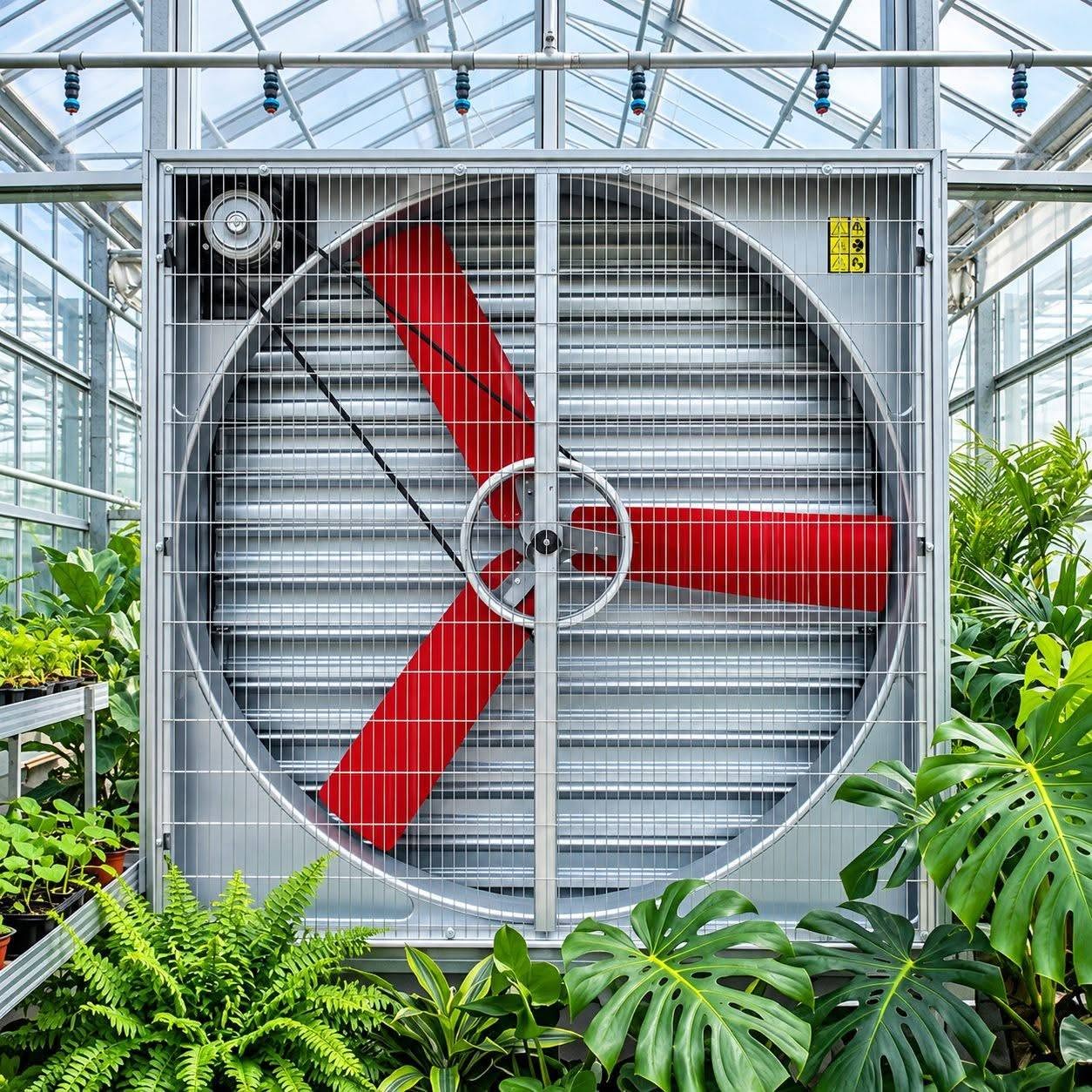
How to Reduce Heat Stress in Warehouses, Poultry Houses, Greenhouses and Industrial Buildings

Excessive heat can affect productivity, workplace comfort, livestock welfare and crop growth. In warehouses, poultry houses, greenhouses, cow sheds, boiler rooms and commercial kitchens, poor air circulation can allow heat and humidity to build up, creating uncomfortable and potentially hazardous working conditions.

The right industrial ventilation system can help remove accumulated hot air, improve air movement and support better environmental conditions. For businesses and farms in Kenya, Tanzania and South Sudan, choosing suitable industrial fans is an important step towards managing heat in demanding environments.

The Cold Room Kahuna supplies industrial fans, centrifugal blowers and ventilation solutions for commercial, agricultural and industrial applications. We help customers identify suitable equipment for their ventilation requirements, with supply and installation options available for projects across Kenya and the wider East African region.

What Causes Heat Stress in Industrial Buildings and Agricultural Facilities?

Heat stress occurs when the body or an animal struggles to lose enough heat to maintain a safe internal temperature. In buildings, excessive temperatures may result from direct sunlight, hot machinery, boilers, cooking equipment, high humidity, inadequate air exchange or insufficient ventilation.

Common causes include:

  • Poor airflow and stagnant air inside buildings.
  • Heat generated by industrial machinery and production processes.
  • Hot roofs and walls exposed to direct sunlight.
  • High humidity caused by steam, moisture or agricultural activities.
  • Inadequate removal of hot air from enclosed spaces.
  • Insufficient ventilation in livestock housing and greenhouses.
  • Poorly designed or undersized ventilation equipment.

Installing an industrial fan can improve air movement, but the solution must match the source of heat and the building’s ventilation requirements. Some applications need general air circulation, while others require hot air to be extracted and replaced with fresh air.

1. How to Reduce Heat Buildup in Warehouses and Factories

Warehouses and factories can become excessively hot, especially when they have large metal roofs, limited ventilation, heat-producing machinery or high ceilings. Workers may experience discomfort, fatigue and reduced productivity, while certain products and equipment may require controlled environmental conditions.

Recommended ventilation solutions

Industrial axial fans: These move relatively large volumes of air and can be suitable for general ventilation, wall-mounted installations and moving air through appropriate openings.

High-volume industrial fans: Depending on the model and installation, these can help improve air movement across large working areas.

Centrifugal blowers: These are useful where air must be pushed through ductwork or systems with greater resistance. The required airflow and static pressure must be considered when selecting the blower.

Roof and wall ventilation: Properly positioned fans and air inlets can help remove accumulated hot air and allow replacement air to enter the building.

Before selecting a fan, consider the warehouse floor area, ceiling height, heat sources, number of workers, available openings and required air changes. A large building may need several strategically positioned fans rather than one powerful unit.

Explore our industrial fans for sale in Kenya for equipment suitable for a range of industrial and commercial ventilation applications.

2. How to Reduce Heat Stress in Poultry Houses

High temperatures can place significant stress on chickens, particularly in densely stocked poultry houses with inadequate air movement. Heat stress can affect feed intake, growth, egg production and bird welfare.

A suitable poultry ventilation system helps manage heat, moisture and air quality while supporting the birds’ environmental requirements.

Ventilation measures for poultry farms

  • Install correctly sized ventilation fans based on the poultry house dimensions, stocking density and required airflow.
  • Provide suitable air inlets so replacement air can enter without creating unwanted dead zones.
  • Position fans to support the intended airflow pattern throughout the poultry house.
  • Maintain fan blades, shutters, motors and other ventilation components.
  • Monitor temperature, humidity and bird behaviour to identify potential heat stress.
  • Consider supplementary cooling where ventilation alone cannot maintain suitable conditions.

The correct fan capacity depends on the birds’ age, stocking density, house design and local climate. Simply installing a larger fan does not guarantee effective cooling if the air inlets and airflow pattern are inadequate.

The Cold Room Kahuna can help you explore suitable poultry house ventilation systems for poultry farming operations.

3. Greenhouse Ventilation for Better Crop Growing Conditions

Greenhouses trap solar heat to create conditions that support plant growth. However, excessive temperatures and humidity can damage crops, reduce productivity and encourage certain plant diseases.

Greenhouse ventilation helps remove hot air and regulate the growing environment.

Suitable greenhouse ventilation options

Exhaust and extraction fans: These remove warm air from the greenhouse when appropriately installed with sufficient replacement-air openings.

Circulation fans: These help distribute air within the greenhouse, reducing stagnant areas and supporting more uniform conditions. They do not necessarily remove heat from the building.

Combined ventilation systems: Depending on the greenhouse design and climate, a combination of extraction, circulation, shading and supplementary cooling may be necessary.

When selecting greenhouse fans, consider the crop type, greenhouse dimensions, growing season, humidity, available openings and desired temperature range.

For example, a greenhouse used for leafy vegetables may have different environmental requirements from one growing flowers, seedlings or heat-sensitive crops.

Learn more about our agricultural ventilation fans in Kenya and East Africa and explore options for improving airflow in agricultural buildings.

4. Improving Ventilation in Cow Sheds and Dairy Barns

Dairy cows are sensitive to heat stress, which can affect feed intake, milk production, reproduction and overall welfare. Cow sheds with poor airflow can become particularly uncomfortable during hot weather, when moisture and heat accumulate around the animals.

Industrial circulation fans can help improve air movement around livestock, provided they are installed and sized correctly.

How industrial fans can help dairy farms

  • Improve air movement around resting and feeding areas.
  • Help cows lose body heat through convection and evaporation when environmental conditions permit.
  • Reduce stagnant air in poorly ventilated areas.
  • Support a wider heat-management plan that may include shade, drinking water and other cooling measures.
  • Improve ventilation when combined with suitable openings and fresh-air supply.

Fan placement matters. Air should reach the areas occupied by the animals rather than simply circulate near the roof.

Where humidity is high, evaporative cooling may be less effective. Misting or sprinkling systems must therefore be selected and managed carefully, with adequate ventilation to avoid increasing indoor humidity unnecessarily.

For larger dairy barns and livestock facilities, fan selection should consider the building layout, herd size, animal comfort requirements and prevailing weather conditions.

5. Controlling Heat in Boiler Rooms and Industrial Production Areas

Boiler rooms, manufacturing plants and process areas may experience intense heat from equipment, hot surfaces, steam lines and industrial operations. Excessive temperatures can create uncomfortable working conditions and may affect equipment operating conditions.

Industrial ventilation can help remove accumulated heat and provide replacement air where required.

Choosing the right ventilation equipment

Axial ventilation fans may be suitable for general air movement and ventilation where system resistance is relatively low.

Centrifugal blowers may be more appropriate when air must travel through ductwork, filters or other components that create significant resistance.

Dedicated heat-extraction systems can be designed to capture heat near its source, reducing the amount that spreads through the building.

The selection process should account for air temperature, required airflow, static pressure, motor suitability, dust or contaminants, and the installation environment.

Boiler rooms also require ventilation designed around combustion-air requirements and applicable safety standards. General-purpose fans must not be treated as a substitute for correctly designed combustion or hazardous-area ventilation systems.

Where equipment produces hot air at a specific point, capturing and removing it close to the source may be more effective than relying entirely on general room ventilation.

Explore our industrial centrifugal fans and blowers for applications requiring ducted airflow or pressure suited to the ventilation system.

6. Reducing Heat in Commercial Kitchens

Commercial kitchens in hotels, restaurants, catering facilities and institutional kitchens can become very hot during busy operating periods. Cooking equipment generates heat, steam, grease-laden air and odours that must be managed by a suitable ventilation system.

A properly designed kitchen ventilation system can improve working conditions and remove contaminants from cooking areas.

Recommended commercial kitchen ventilation measures

  • Install an appropriately designed kitchen extraction hood above relevant cooking equipment.
  • Use compatible fans and ductwork designed for the required airflow and system resistance.
  • Provide sufficient replacement air to support effective extraction.
  • Ensure grease management, cleaning access and maintenance arrangements are included in the design.
  • Follow applicable fire-safety requirements for grease-laden exhaust systems.
  • Assess whether additional general ventilation is needed to control heat elsewhere in the kitchen.

A standard industrial circulation fan cannot replace a properly designed kitchen extraction hood where cooking fumes, grease and contaminants must be captured at source.

For commercial kitchens, restaurants, hotels and catering facilities, explore our commercial kitchen hood system for suitable extraction solutions.

7. How to Choose the Right Industrial Fan for Heat Control

Not every industrial fan performs the same function. Selecting the correct model involves understanding the heat source, the building layout and the airflow needed to achieve the intended result.

Industrial axial fans

Axial fans move air generally parallel to the fan shaft. Depending on the model and installation, they can be suitable for wall-mounted ventilation, general air exchange and moving air through large openings.

Common applications include warehouses, workshops, agricultural buildings and selected industrial ventilation systems.

Centrifugal fans and blowers

Centrifugal fans move air using a rotating impeller and can be suitable for applications where ductwork or other system components create greater resistance.

They are commonly considered for industrial process ventilation, ducted air movement and selected heat-extraction applications.

Air circulation fans

Circulation fans help distribute air around an occupied space. They can be useful in workshops, livestock buildings and other areas where stagnant air is a concern.

However, circulating air within a room is different from extracting hot air and replacing it with fresh air. The appropriate approach depends on the actual problem.

Important factors when sizing industrial fans

Before purchasing a fan, assess:

  1. Building dimensions: Floor area, ceiling height and the volume of air within the space.
  2. Heat load: Heat from machinery, sunlight, boilers, cooking equipment, animals or other sources.
  3. Required airflow: The amount of air that must be moved to meet the ventilation objective.
  4. Static pressure: Resistance created by ductwork, filters, shutters, hoods and other components.
  5. Air temperature and contaminants: The fan, motor and materials must be suitable for the operating environment.
  6. Installation location: Wall, roof, duct, floor or another suitable mounting arrangement.
  7. Maintenance: Access for cleaning, inspections, repairs and replacement of components.

A fan’s advertised airflow does not necessarily represent the airflow it will deliver after installation. Ductwork, shutters, filters and other resistance can reduce performance. Professional selection helps ensure the equipment suits the application.

Browse our industrial fan range or explore our centrifugal fan and blower options to identify equipment for your project.

8. Why Industrial Fan Installation and Maintenance Matter

Even a high-quality industrial fan may perform poorly if it is incorrectly positioned, undersized or installed without adequate replacement-air openings.

A well-planned ventilation installation should consider the movement of air through the entire building, including where hot air accumulates and where replacement air enters.

Regular maintenance is also important for reliable operation.

Recommended maintenance activities include:

  • Inspecting and cleaning fan blades and protective guards.
  • Checking motors, bearings, belts and pulleys where applicable.
  • Inspecting shutters, dampers and air inlets for obstructions.
  • Checking electrical connections and protective devices.
  • Monitoring unusual vibration, noise or reduced airflow.
  • Confirming that the ventilation system continues to meet operational requirements.

For facilities with heavy dust, moisture or corrosive conditions, equipment specifications and maintenance intervals should reflect the actual operating environment.

9. Industrial Fans and Ventilation Solutions in Kenya, Tanzania and South Sudan

Businesses across East Africa operate warehouses, poultry farms, greenhouses, dairy facilities, factories, commercial kitchens and other buildings where heat management is important.

The Cold Room Kahuna supplies industrial fans and ventilation equipment for a range of applications, helping customers identify options based on their site conditions and operational requirements.

Whether you are improving ventilation in a poultry house, managing heat in a warehouse, installing airflow equipment in a greenhouse or planning a blower for an industrial process, choosing the right equipment is essential.

When enquiring about a ventilation solution, provide the following information where available:

  • Your location and type of facility.
  • Building length, width and height.
  • The main source of heat or ventilation problem.
  • Any existing fans, air inlets or ductwork.
  • Preferred installation location.
  • Available electrical supply.
  • Any airflow, temperature or pressure requirements already established.

This information helps determine which fan types and installation arrangements may be suitable for your application.

Contact The Cold Room Kahuna to discuss industrial fan supply and installation for your facility in Kenya, Tanzania, South Sudan and the wider East African region.

Frequently Asked Questions About Industrial Fans and Heat Stress

Can industrial fans reduce heat stress in warehouses?

Industrial fans can help remove accumulated hot air or improve air movement, depending on their type and installation. Their effectiveness depends on the heat load, outside conditions, building design and ventilation arrangement. Where outside air is hotter than the indoor air, bringing it inside may not provide cooling, so the system must be assessed carefully.

Which industrial fan is suitable for a poultry house?

The suitable fan depends on the poultry house dimensions, bird age, stocking density, local climate and required ventilation rate. Correct fan sizing, air inlets and airflow distribution are all important for maintaining appropriate conditions.

Can industrial fans be used in greenhouses?

Yes. Suitable extraction and circulation fans can help manage greenhouse airflow and temperature. The system should be selected according to crop requirements, greenhouse design, humidity and local weather conditions.

Are centrifugal blowers suitable for industrial heat extraction?

Centrifugal blowers can be suitable for applications involving ductwork or higher system resistance, provided the fan’s performance matches the required airflow and static pressure. The operating temperature and nature of the air must also be considered.

How can heat be reduced in a commercial kitchen?

A properly designed kitchen hood and extraction system can capture cooking fumes, steam and heat near their source. Adequate replacement air, suitable ductwork, maintenance and compliance with applicable fire-safety requirements are also essential.

Do industrial fans always lower room temperature?

No. Fans move air, but they do not automatically lower the air temperature. They may improve human comfort or help remove heat when the system is appropriately designed. In some environments, additional cooling, shading, insulation or other heat-control measures may be necessary.

Does The Cold Room Kahuna supply and install industrial fans in Kenya?

The Cold Room Kahuna supplies industrial fans and ventilation equipment and can discuss suitable installation options for commercial, agricultural and industrial projects. Contact the team with your application and location to discuss your requirements.

Get the Right Industrial Fan for Your Facility

Do not let excessive heat and poor air circulation go unaddressed in your warehouse, poultry house, greenhouse, dairy barn, boiler room or commercial kitchen.

The Cold Room Kahuna can help you explore industrial fans, centrifugal blowers and ventilation solutions suited to your application.

Request a quotation for industrial fans and ventilation equipment in Kenya, Tanzania or South Sudan. Share your building dimensions, application and ventilation challenges so the appropriate equipment can be considered.

Visit our industrial fans for sale in Kenya page or explore our centrifugal fans and blowers to get started.

The Cold Room Kahuna — Industrial fan supply and ventilation solutions for Kenya and East Africa.

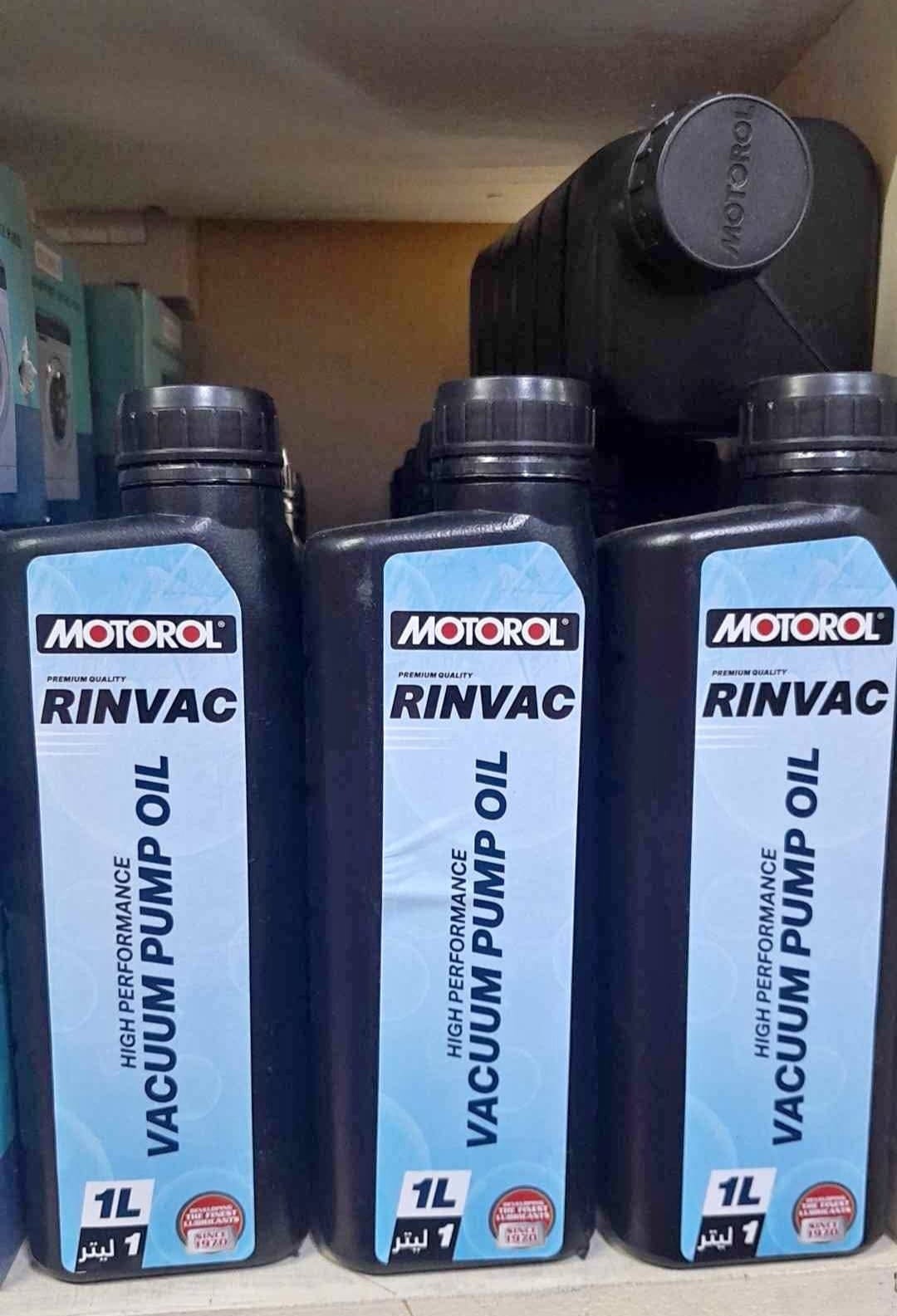
How to Choose the Best Vacuum Pump Oil for HVAC and Refrigeration

Vacuum pump oil is an important maintenance product for HVAC and refrigeration technicians. Choosing the right oil helps support reliable vacuum pump operation when evacuating air, moisture and other unwanted gases from refrigeration and air conditioning systems.

For technicians and contractors, knowing how to choose vacuum pump oil is important because different vacuum pumps can have different oil requirements. Using the wrong oil, contaminated oil or oil that is unsuitable for the pump can affect evacuation performance and increase equipment wear.

Whether you are working on a split air conditioner, cold room, freezer, chiller or industrial refrigeration system, suitable vacuum pump oil can help maintain reliable pump performance.

In this guide, The Cold Room Kahuna explains what vacuum pump oil does, why it matters, how to choose it, when it should be changed and how to identify signs of oil contamination.

What Is Vacuum Pump Oil?

Vacuum pump oil is a lubricant specifically formulated for use in mechanical vacuum pumps.

Unlike ordinary engine oil or general-purpose lubricants, vacuum pump oil is designed for the operating conditions inside a vacuum pump. It provides lubrication for moving components while also helping support the sealing conditions required for efficient vacuum generation.

During HVAC and refrigeration servicing, a vacuum pump is used to evacuate unwanted air and moisture from a refrigeration circuit before the system is charged and commissioned.

The condition and suitability of the pump oil can therefore have an important effect on the pump’s ability to operate effectively.

Why Is Vacuum Pump Oil Important?

Vacuum pump oil performs several functions inside a mechanical vacuum pump.

Depending on the pump design and oil specification, it helps with:

  • Lubricating moving components
  • Supporting internal sealing
  • Reducing friction and wear
  • Helping dissipate heat
  • Protecting internal components
  • Supporting stable vacuum performance
  • Maintaining efficient pump operation

When the oil becomes contaminated, degraded or unsuitable for the pump, evacuation performance can be affected.

For technicians who use vacuum pumps regularly, checking the oil condition should therefore be part of normal equipment maintenance.

How Does Vacuum Pump Oil Affect Pump Performance?

A vacuum pump needs suitable oil to operate correctly.

Oil that is contaminated with moisture or other substances may affect the pump’s ability to achieve and maintain a good vacuum. A pump may also take longer to evacuate a system when the oil is in poor condition.

This does not mean that every vacuum problem is caused by the oil.

Poor evacuation can also result from:

  • Leaking hoses or fittings
  • Damaged valves
  • Incorrect connections
  • Restricted hoses
  • Excessive system moisture
  • Refrigeration system leaks
  • Problems with the vacuum pump itself

For this reason, technicians should inspect the complete evacuation setup rather than replacing oil without checking for other possible causes.

Vacuum Pump Oil for Refrigeration Systems

Vacuum pumps are widely used when installing, repairing and commissioning refrigeration systems.

Proper evacuation helps remove air and moisture from the refrigeration circuit before refrigerant charging.

Applications can include:

  • Cold rooms
  • Walk-in freezers
  • Blast freezers
  • Commercial refrigeration systems
  • Display refrigerators
  • Chillers
  • Ice-making equipment
  • Food processing refrigeration
  • Industrial refrigeration systems

During a new installation or repair, technicians should follow the equipment manufacturer’s recommended evacuation procedure and use a vacuum pump maintained according to its manufacturer’s instructions.

If you are planning a refrigeration project, you can also explore our cold room solutions for refrigeration equipment and installation requirements.

Vacuum Pump Oil for Air Conditioning and HVAC

Vacuum pumps are also commonly used during air conditioning installation and servicing.

After an air conditioning system has been installed or the refrigeration circuit has been opened, technicians may evacuate the system before charging or recommissioning it.

This can apply to:

  • Split air conditioners
  • Ducted air conditioning systems
  • Cassette air conditioners
  • Commercial HVAC systems
  • Central air conditioning systems
  • VRF and VRV systems
  • Industrial air conditioning systems

A properly maintained vacuum pump is therefore an important tool for HVAC technicians.

For professional HVAC projects, The Cold Room Kahuna also supplies and supports air conditioning equipment and installation services.

What Happens When Vacuum Pump Oil Becomes Contaminated?

Vacuum pump oil can become contaminated during normal use.

Moisture, refrigerant residues, dirt and other contaminants can enter the pump, particularly when servicing refrigeration systems that have been exposed to atmospheric air or moisture.

Signs that the oil may require attention include:

  • Cloudy or milky-looking oil
  • Significant discolouration
  • Visible contamination
  • Unusual oil appearance
  • Poor vacuum performance
  • Longer evacuation times
  • Increased pump temperature
  • Unusual pump noise

Cloudy oil can be an indication of moisture contamination, but technicians should consider the complete condition of the pump and application before diagnosing the cause.

If the oil is contaminated, changing it according to the pump manufacturer’s recommendations can help restore suitable operating conditions.

How Often Should Vacuum Pump Oil Be Changed?

There is no single oil-change interval that applies to every vacuum pump.

The appropriate frequency depends on factors such as:

  • Pump design
  • Manufacturer recommendations
  • Frequency of use
  • Type of refrigeration or HVAC work
  • Amount of moisture encountered
  • Level of contamination
  • Operating conditions

A technician who uses a vacuum pump every day may need to change the oil more frequently than someone who uses a pump occasionally.

For this reason, it is better to inspect the oil regularly and follow the manufacturer’s maintenance recommendations rather than relying on one fixed interval.

How to Choose Vacuum Pump Oil

When choosing vacuum pump oil, compatibility with the vacuum pump should be the first consideration.

1. Check the Vacuum Pump Manufacturer

Different vacuum pumps may require different oil specifications.

Before purchasing oil, check the pump’s:

  • Brand
  • Model
  • Manufacturer’s oil recommendation
  • Technical manual
  • Recommended viscosity

If you are unsure which oil is appropriate, provide the pump brand and model to your refrigeration equipment supplier or qualified technician.

2. Check the Recommended Oil Viscosity

Vacuum pump oils are available in different viscosity grades.

The correct viscosity depends on the design and manufacturer’s requirements for the particular pump.

Some vacuum pump oils are available in ISO viscosity grades such as VG 46, but you should not select an oil simply because the viscosity appears similar to another product.

Always check the manufacturer’s specification first.

3. Use Oil Designed for Vacuum Pumps

Vacuum pump oil should not automatically be replaced with ordinary automotive engine oil or another general-purpose lubricant.

Vacuum pumps operate under conditions that require suitable lubrication and vapour characteristics.

Using an unsuitable lubricant can affect pump performance and may contribute to unnecessary wear.

4. Consider the Application

Consider how frequently the vacuum pump is used and the type of systems being evacuated.

A technician regularly servicing cold rooms, refrigeration systems and air conditioners may expose the pump to more moisture and contaminants than an occasional user.

Frequent professional use makes regular oil inspection and maintenance particularly important.

Can Refrigeration Compressor Oil Be Used in a Vacuum Pump?

You should not assume that refrigeration compressor oil and vacuum pump oil are interchangeable.

Although both are used in refrigeration-related work, they are designed for different equipment and operating conditions.

Refrigeration compressor oil is selected according to factors such as the compressor, refrigerant and refrigeration system.

Vacuum pump oil is specifically intended for the vacuum pump.

The Cold Room Kahuna also supplies refrigeration oils such as Suniso refrigeration oil and Emkarate refrigeration oil. These products should not automatically be substituted for vacuum pump oil.

Always check the equipment manufacturer’s recommended lubricant before changing oil.

Vacuum Pump Oil and Pump Maintenance

Changing the oil is only one part of maintaining a vacuum pump.

Check the Oil Level

Check the oil level according to the manufacturer’s instructions.

Operating with insufficient oil can affect lubrication and pump performance.

Inspect Oil Condition

Regularly inspect the oil for cloudiness, contamination, unusual discolouration or other signs of degradation.

Check Pump Connections

Inspect fittings, valves and connections for leaks or damage.

A leak in the evacuation setup can make it appear that the pump is not performing correctly when the actual problem is elsewhere in the system.

Inspect Vacuum Hoses

Use suitable vacuum-rated hoses and keep connections clean.

The evacuation setup should be designed to minimise unnecessary restrictions and leaks.

Follow a Regular Maintenance Schedule

Technicians who use vacuum pumps frequently should establish a practical maintenance routine based on the pump manufacturer’s recommendations and their working conditions.

Regular maintenance can help identify problems before they result in poor evacuation performance or unnecessary equipment downtime.

Common Vacuum Pump Oil Problems

Cloudy Vacuum Pump Oil

Cloudy or milky oil can indicate moisture contamination.

If this occurs, inspect the pump and consider whether an oil change is required according to the manufacturer’s recommendations.

Dark or Degraded Oil

Significantly darkened or degraded oil may indicate that the oil has been exposed to demanding operating conditions or contaminants.

The oil should be assessed and replaced when required.

Low Oil Level

Low oil can affect lubrication and pump operation.

Always maintain the oil level according to the pump manufacturer’s instructions.

Poor Vacuum Performance

Poor vacuum performance can have several causes.

Before replacing the pump, check:

  • Oil condition
  • Oil level
  • Hoses
  • Fittings
  • Valves
  • Connections
  • System leaks
  • Moisture levels
  • Pump condition

A systematic inspection can help identify the actual cause of the problem.

Vacuum Pump Oil for Cold Room Installation

Cold room installation is one of the applications where vacuum pumps are used during refrigeration system commissioning.

After refrigeration equipment has been installed and the refrigeration circuit has been properly pressure tested, technicians may evacuate the system before charging refrigerant.

This applies to projects such as:

  • Walk-in cold rooms
  • Frozen storage rooms
  • Food storage facilities
  • Dairy refrigeration
  • Meat storage
  • Pharmaceutical cold storage
  • Commercial refrigeration
  • Industrial refrigeration

Proper installation procedures, leak testing and evacuation are important parts of commissioning a refrigeration system.

For new projects, you can learn more about our cold room installation and refrigeration solutions.

Vacuum Pump Oil for Refrigeration Technicians

Vacuum pump oil is a regular maintenance requirement for many refrigeration and HVAC technicians.

A vacuum pump may be used when:

  • Installing a new refrigeration system
  • Installing a cold room
  • Replacing a compressor
  • Repairing a refrigerant leak
  • Replacing refrigeration components
  • Opening a refrigeration circuit
  • Servicing an air conditioning system
  • Commissioning HVAC equipment
  • Carrying out refrigeration maintenance

Keeping the correct oil available can help reduce unnecessary service interruptions, particularly for technicians who use vacuum pumps frequently.

For other components and service requirements, see our refrigeration equipment and spare parts.

Frequently Asked Questions About Vacuum Pump Oil

What is vacuum pump oil used for?

Vacuum pump oil is used to lubricate and support the operation of mechanical vacuum pumps. In HVAC and refrigeration work, the pump is used to evacuate unwanted air and moisture from refrigeration circuits.

What oil should I use in a refrigeration vacuum pump?

Use the oil recommended by the vacuum pump manufacturer. Check the pump model, manufacturer’s instructions and required viscosity before selecting replacement oil.

Can I use engine oil in a vacuum pump?

Engine oil should not automatically be substituted for vacuum pump oil. Vacuum pumps require lubricants designed for their operating conditions. Always follow the pump manufacturer’s recommendations.

How often should vacuum pump oil be changed?

The required interval varies depending on the pump, frequency of use, application and level of contamination. Inspect the oil regularly and follow the manufacturer’s recommended maintenance schedule.

Why does vacuum pump oil become cloudy?

Cloudy or milky oil can indicate moisture contamination. If the oil becomes contaminated, pump performance may be affected and an oil change may be required.

Does vacuum pump oil affect vacuum performance?

Yes. The condition and suitability of the oil can affect pump operation and vacuum performance. However, poor vacuum can also be caused by leaks, hoses, fittings, valves, moisture or problems with the pump itself.

Is vacuum pump oil the same as refrigeration compressor oil?

No. They are designed for different equipment. Compressor oil is selected for the refrigeration compressor and refrigerant system, while vacuum pump oil is intended for the vacuum pump.

Can vacuum pump oil be used for air conditioning servicing?

Yes. Vacuum pumps are commonly used during air conditioning installation and servicing. The correct oil should be selected according to the vacuum pump manufacturer’s requirements.

Choosing the Right Vacuum Pump Oil

Choosing vacuum pump oil starts with identifying the requirements of your vacuum pump.

Before replacing the oil, check the pump manufacturer, model, recommended viscosity and maintenance instructions. Also consider how frequently the pump is used and the type of HVAC or refrigeration systems being serviced.

For technicians who already know the oil specification required for their equipment, The Cold Room Kahuna supplies vacuum pump oil for HVAC and refrigeration applications.

You can view the vacuum pump oil product page for current product information and ordering options.

For larger quantities or contractor requirements, contact The Cold Room Kahuna with your vacuum pump brand, model, required quantity and application so we can assist with availability.

Related Refrigeration and HVAC Solutions

Explore more from The Cold Room Kahuna:

  • Cold room solutions
  • Refrigeration equipment and spare parts
  • Refrigeration oils
  • Air conditioning supply and installation
  • Cold room repair and maintenance
  • Industrial ventilation equipment

The Cold Room Kahuna supplies refrigeration, HVAC, cold room and industrial ventilation equipment for customers and projects across Kenya and the wider East African region.


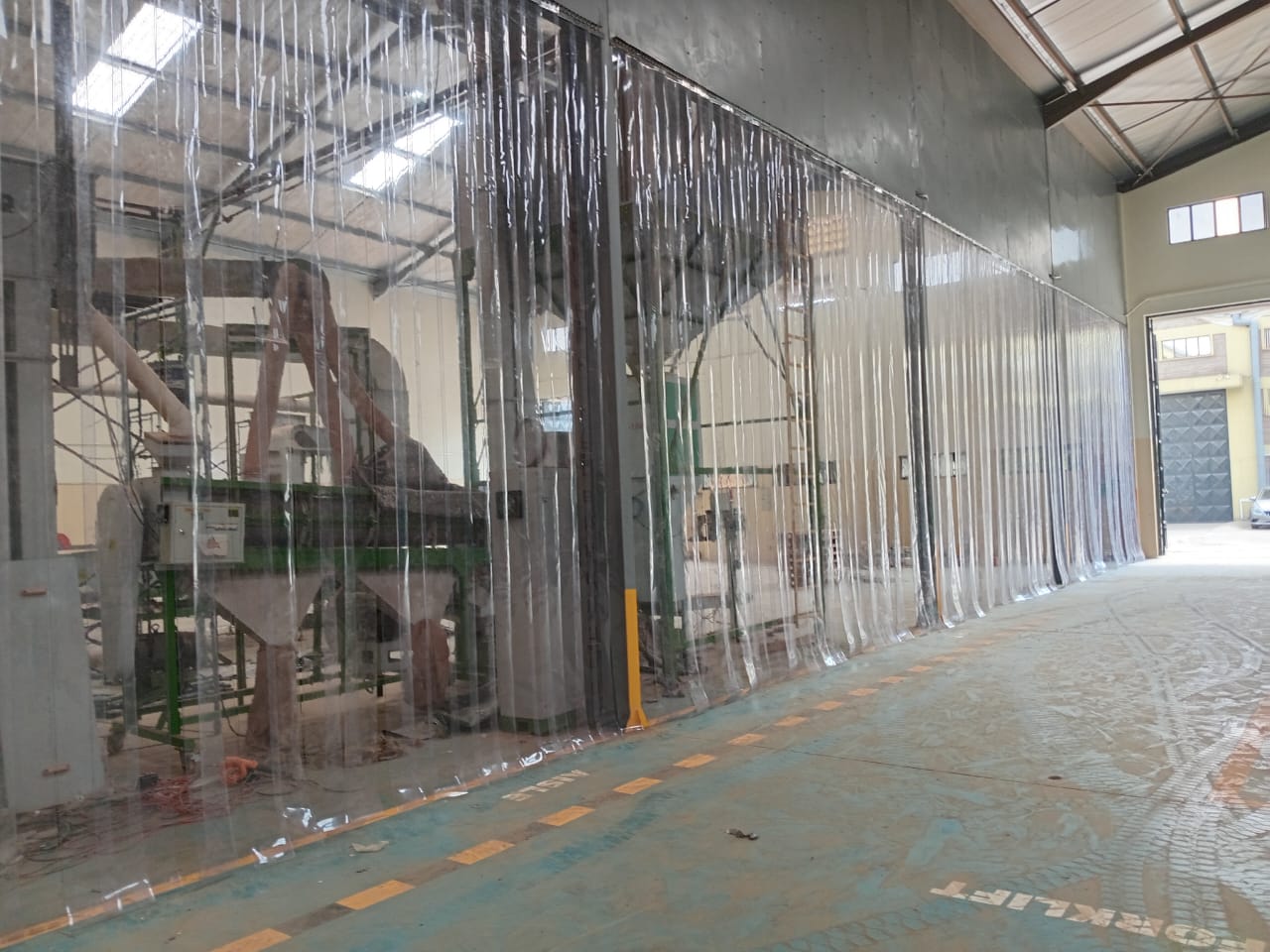
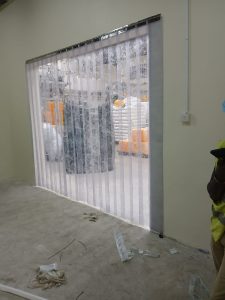
PVC Strip Curtain Installation Services in Kenya

PVC strip curtain installation helps businesses control dust, reduce air exchange, separate working areas and maintain more stable indoor temperatures. The Cold Room Kahuna supplies and installs PVC strip curtains for cold rooms, freezers, warehouses, factories, food processing facilities and commercial premises across Kenya.

We help businesses choose suitable PVC strip thicknesses, strip widths, overlap and mounting systems based on the doorway, operating environment and intended application. Whether you need a new installation, replacement of worn strips or an upgrade to an existing doorway, our team can help you identify a suitable solution.

Looking to purchase the curtains themselves? Visit our PVC strip blinds and curtains product page to explore the product and available options.

Where Are PVC Strip Curtains Installed?

PVC strip curtains are suitable for doorways and openings where businesses need convenient access while limiting the movement of air, dust and other contaminants between areas.

Common applications include:

  • Cold rooms and freezers: Help reduce the exchange of warm and cold air when personnel move through doorways.
  • Food processing facilities: Provide a flexible doorway barrier in suitable production and handling areas.
  • Warehouses and distribution centres: Help separate working areas while allowing staff and equipment to pass through.
  • Factories and workshops: Help separate production zones and reduce the movement of dust between suitable work areas.
  • Commercial kitchens: Provide flexible separation between selected working areas.
  • Loading bays and industrial doorways: Allow frequent movement of people and goods without requiring a conventional solid door to be opened and closed each time.

The appropriate PVC curtain specification depends on the temperature, traffic, doorway dimensions and operating conditions.

Our PVC Strip Curtain Installation Process

A suitable installation begins with understanding how the doorway is used and selecting a mounting arrangement that fits the opening.

1. Site Assessment and Doorway Measurements

The doorway width, height, mounting surface and available clearance should be checked before installation. For cold rooms and freezers, the operating temperature and frequency of access should also be considered.

Accurate measurements help determine the number of strips required, the mounting rail arrangement and the amount of overlap.

2. Selecting the Right PVC Strip Thickness

PVC strip thickness should be selected according to the application and traffic level.

For example, a doorway used mainly by pedestrians may require a different specification from an opening regularly used by forklifts or loaded trolleys.

The choice should consider flexibility, impact resistance, ease of passage and the operating environment. Where low-temperature conditions apply, the PVC material must be suitable for the intended temperature range.

3. Mounting Rail and Hardware Installation

Metal mounting rail and fixing hardware for PVC strip curtain installation
PVC strip curtain mounting rails and fixing hardware for secure industrial doorway installation.

The mounting system must be suitable for the doorway structure and the weight of the curtain assembly. Rails, brackets, clamp plates and fasteners should be selected to provide secure support and allow the strips to be replaced when necessary.

Correct mounting helps the curtain hang properly and supports easier maintenance.

4. Hanging and Aligning the PVC Strips

The strips are positioned and overlapped according to the selected design. Suitable overlap helps reduce gaps while allowing convenient passage through the opening.

The strips should hang freely without unnecessary obstruction from the floor, equipment or nearby structures.

5. Inspection and Final Adjustments

After installation, the curtain should be checked for alignment, secure mounting, adequate overlap and ease of passage. The finished arrangement should suit the movement of personnel, goods and equipment through the doorway.

PVC Strip Curtain Replacement and Maintenance

Damaged, scratched, distorted or missing strips can reduce the effectiveness and appearance of an existing curtain. Regular inspection helps identify when individual strips or mounting components need attention.

Replacement may be appropriate when:

  • PVC strips are torn, badly scratched or no longer hang correctly.
  • Sections of the curtain are missing.
  • Mounting hardware is damaged or loose.
  • The existing curtain no longer suits the doorway’s traffic or operating conditions.
  • A business needs to change the curtain arrangement following changes to its operations.

Replacing individual strips may be sufficient in some cases, while other installations may benefit from a complete curtain replacement.

For businesses planning a new installation or refurbishment, we can help assess the doorway requirements and identify suitable products.

Benefits of Professional PVC Strip Curtain Installation

Correct installation can help a business get better practical performance from its PVC strip curtain system.

Key benefits include:

  • Reduced air exchange: Proper strip overlap helps limit the movement of air through doorways.
  • Temperature management: Suitable curtains can help reduce warm-air entry into refrigerated areas, although they do not replace proper refrigeration or insulation.
  • Convenient access: Flexible strips allow people and goods to pass through without operating a conventional hinged door.
  • Dust separation: Curtains can help reduce the movement of dust between suitable work areas.
  • Replaceable components: Individual strips can often be replaced without removing the entire curtain assembly.
  • Improved workflow: Properly planned openings can support frequent movement between work areas.

Actual performance depends on the curtain specification, installation quality, doorway traffic and environmental conditions.

How Much Does PVC Strip Curtain Installation Cost in Kenya?

The cost of PVC strip curtain installation depends on the doorway dimensions, PVC strip thickness, required overlap, mounting hardware, site conditions and installation requirements.

A large warehouse opening may require a different arrangement from a small cold-room entrance. Replacement work may also cost less or more than a new installation, depending on whether the existing mounting rail can be reused.

To request a quotation, provide the following information:

  • Doorway width and height.
  • Intended application, such as a cold room, freezer, warehouse or factory.
  • Operating temperature, where applicable.
  • Whether you need a new installation or replacement of existing strips.
  • Your location in Kenya.
  • A photograph of the doorway, if available.

These details help us assess the requirements and recommend a suitable solution.

PVC Strip Curtain Installation in Nairobi and Across Kenya

The Cold Room Kahuna supplies refrigeration, ventilation and related industrial solutions for businesses in Kenya and the wider East African market.

We can assist customers seeking PVC strip curtains for cold rooms, warehouses, factories, food handling areas and other suitable industrial applications. Installation requirements are assessed according to the project location, doorway dimensions and site conditions.

If you are planning a new installation, replacing worn strips or upgrading an existing doorway, contact our team to discuss your requirements.

For the product specifications and available PVC strip curtain options, visit our PVC strip blinds and curtains product page.

You can also explore our cold room services in Kenya for related refrigeration solutions.

Frequently Asked Questions

1. What is PVC strip curtain installation?

PVC strip curtain installation involves measuring a doorway, fitting a suitable mounting rail and hanging overlapping flexible PVC strips to create a convenient access barrier.

2. Can PVC strip curtains be installed in cold rooms and freezers?

Overlapping PVC strip curtains fitted at a cold room entrance
PVC strip curtains fitted at cold room entrances to help reduce warm-air exchange during access.

Yes. PVC strips designed for the relevant low-temperature conditions can be used at cold-room and freezer entrances. The material specification must suit the operating temperature.

3. How do I choose the correct PVC strip thickness?

The selection depends on the doorway size, frequency of use, type of traffic, impact exposure and operating environment. Doorways used by forklifts or loaded trolleys may require a different specification from pedestrian entrances.

4. Can damaged PVC strips be replaced individually?

In many installations, individual strips can be replaced if the mounting system remains suitable and in good condition. The condition of the rails and fixing hardware should also be checked.

5. How much does PVC strip curtain installation cost in Kenya?

Pricing depends on the doorway size, strip specification, overlap, mounting hardware, site conditions and installation requirements. Providing measurements and photographs helps with the quotation process.

6. Where can I buy PVC strip blinds in Kenya?

You can view our PVC strip blinds and curtains product page for product information and available options. Contact The Cold Room Kahuna to discuss supply and installation requirements.

Request a PVC Strip Curtain Installation Quotation

Need PVC strip curtains fitted at a cold room, warehouse, factory or other commercial premises?

Contact The Cold Room Kahuna with your doorway measurements, application and location so we can discuss a suitable installation.

Website: https://thecoldroomkahuna.com/

Email: info@thecoldroomkahuna.com

Phone: +254 745 105 691

Serving customers in Kenya and the wider East African market, subject to project requirements and location.

Industrial facilities generate large amounts of dust, fine particles, smoke, and airborne contaminants every day. Without an efficient dust collection system, these particles can reduce equipment lifespan, contaminate products, create unsafe working environments, and lower productivity.

At The Cold Room Kahuna, we supply industrial centrifugal fans and dust collector blowers in Kenya, serving customers across Uganda, Tanzania, Rwanda, South Sudan, Ethiopia, and East Africa. Our high-performance industrial blowers are designed for reliable dust extraction, pneumatic conveying, woodworking, grain handling, cement processing, and many other industrial applications.

What is a Dust Collector Fan?

A dust collector fan, also called a dust extraction blower, is the heart of any dust collection system. It creates the airflow needed to capture dust from production equipment and transport it through ductwork into filters, cyclones, or baghouses.

Unlike ordinary ventilation fans, dust collector fans are specifically engineered to:

  • Move air at high pressure
  • Handle dust-laden air
  • Maintain constant airflow
  • Operate continuously in industrial environments
  • Support filtration systems efficiently

Most industrial dust collection systems use centrifugal blowers because they generate significantly higher static pressure than axial fans.

Why Centrifugal Fans are Best for Dust Collection

Dust extraction systems require high pressure to overcome resistance from:

  • Long ductwork
  • Multiple bends
  • Air filters
  • Cyclone separators
  • Bag filters
  • Dust collection hoods

This is why centrifugal blowers are the preferred solution.

Benefits include:

✔ High static pressure

✔ Continuous industrial operation

✔ Excellent airflow stability

✔ Long service life

✔ Low maintenance

✔ Better dust transport efficiency

✔ Suitable for abrasive particles

Industries That Need Dust Collector Blowers

Our industrial centrifugal dust collection fans are widely used in:

Woodworking Industry

Wood processing generates:

  • Sawdust
  • Wood chips
  • Sanding dust
  • Fine particles

Dust collectors help maintain clean workshops while protecting workers and machinery.

Furniture Manufacturing

Furniture factories produce large quantities of airborne dust from:

  • Cutting
  • Planing
  • Routing
  • Sanding
  • Finishing

Efficient dust extraction improves product quality and workplace safety.

Grain Processing

Grain facilities require dust extraction during:

  • Milling
  • Cleaning
  • Conveying
  • Storage

Dust collection reduces contamination and explosion risks.

Cement Plants

Cement manufacturing creates:

  • Cement dust
  • Limestone dust
  • Clinker particles

Heavy-duty centrifugal blowers maintain proper dust control throughout production.

Food Processing

Dust extraction is essential for:

  • Flour mills
  • Sugar factories
  • Coffee processing
  • Tea factories
  • Spice production

Proper airflow improves hygiene and equipment performance.

Metal Fabrication

Dust collectors remove:

  • Grinding dust
  • Welding fumes
  • Metal particles
  • Polishing debris

Textile Industry

Textile plants generate:

  • Cotton lint
  • Fabric fibres
  • Fine dust

Efficient extraction keeps machinery clean while improving air quality.

Pharmaceutical Manufacturing

Dust collection is critical for:

  • Powder handling
  • Mixing
  • Packaging
  • Tablet production

Plastic Recycling

Dust generated during:

  • Crushing
  • Grinding
  • Pellet production

requires continuous extraction using industrial blowers.

How a Dust Collection System Works

A complete dust collection system consists of:

1. Capture Hood

Collects dust directly from the machine.

↓

2. Ducting

Carries contaminated air.

↓

3. Centrifugal Dust Collector Fan

Creates suction and airflow.

↓

4. Cyclone Separator or Bag Filter

Separates dust from clean air.

↓

5. Clean Air Discharge

Returns filtered air safely.

The centrifugal blower is the engine that powers the entire system.

Types of Dust Collector Fans

High Pressure Centrifugal Fans

Here

Suitable for:

  • Long duct systems
  • Fine dust
  • Multiple machines
  • Industrial filtration

Medium Pressure Blowers

Ideal for:

  • Workshops
  • Woodworking
  • Small factories

Heavy Duty Industrial Blowers

Here

Designed for:

  • Mining
  • Cement
  • Steel
  • Grain processing
  • Continuous operation

Key Features of Our Dust Collector Blowers

Our industrial blowers offer:

  • High airflow performance
  • High static pressure
  • Energy-efficient motors
  • Heavy-duty steel construction
  • Low vibration
  • Long bearing life
  • Continuous-duty operation
  • Custom sizing available
  • Easy maintenance
  • Suitable for indoor and outdoor installation

Benefits of Installing a Dust Collector Fan

Cleaner Working Environment

Dust is removed before it spreads throughout the factory.

Improved Worker Safety

Reducing airborne particles helps improve air quality and creates a healthier workplace.

Longer Equipment Life

Dust accumulation damages motors, bearings, electrical systems, and production machinery.

Proper extraction reduces maintenance costs.

Better Product Quality

Dust contamination can affect manufacturing accuracy and product cleanliness.

Improved Compliance

Many industries must comply with workplace air quality and occupational safety standards.

Increased Productivity

Clean production environments reduce downtime caused by dust accumulation.

Choosing the Right Dust Collector Blower

Selecting the correct blower depends on:

  • Airflow (m³/h)
  • Static pressure (Pa)
  • Dust type
  • Particle size
  • Temperature
  • Duct length
  • Number of collection points
  • Filter resistance
  • Operating hours

Choosing the wrong blower can lead to:

  • Poor suction
  • High energy consumption
  • Frequent breakdowns
  • Reduced dust collection efficiency

Why Choose The Cold Room Kahuna?

At The Cold Room Kahuna, we provide reliable industrial ventilation solutions tailored to the needs of East African industries.

We offer:

Whether you need a blower for a small woodworking shop or a large industrial dust extraction system, we can help you choose the right solution for your airflow and pressure requirements.

Frequently Asked Questions

What fan is best for dust collection?

A centrifugal blower is the best option because it produces the high static pressure required to move dust through filters and duct systems.

Can axial fans be used for dust extraction?

Axial fans are generally designed for moving large volumes of air with low pressure and are not suitable for most industrial dust collection systems.

What industries use dust collector blowers?

Woodworking, grain processing, cement manufacturing, food processing, pharmaceutical production, metal fabrication, mining, plastics recycling, textile manufacturing, and many other industries.

Do you supply dust collector fans in East Africa?

Yes. The Cold Room Kahuna supplies industrial dust collection blowers and centrifugal fans across Kenya, Uganda, Tanzania, Rwanda, South Sudan, and neighbouring East African countries.

Conclusion

An efficient dust collection system depends on the performance of its blower. High-quality Centrifugal dust collector fans  provide the pressure and airflow needed to maintain clean, safe, and productive industrial environments.

Whether you’re operating a sawmill, grain mill, cement plant, furniture workshop, or manufacturing facility, investing in the right industrial blower improves air quality, protects equipment, and enhances overall operational efficiency.

If you’re looking for industrial dust collector fans, centrifugal blowers, or dust extraction systems in Kenya and East Africa, The Cold Room Kahuna offers dependable solutions backed by technical expertise and regional support.

High Air Volume vs High Pressure Centrifugal Blowers in Kenya: Which Is Right for Your Application?

Choosing between a high air volume centrifugal blower and a high pressure centrifugal blower is essential when planning an industrial ventilation, air extraction or process air system. Although both use a rotating impeller to move air, they are designed to meet different airflow and pressure requirements.

A high air volume blower is generally suitable for moving large quantities of air for ventilation and cooling. A high pressure blower is designed to overcome greater resistance in systems such as dust collection, industrial filtration and certain material-handling processes.

At The Cold Room Kahuna, we supply industrial centrifugal fans and blowers for a range of applications across Kenya and East Africa. This guide explains the differences between the two types, their typical applications and the key specifications to consider before purchasing.

What Is a Centrifugal Blower?

A centrifugal blower draws air into the centre of a rotating impeller and directs it outward through the fan housing. This design allows the blower to generate the pressure needed to move air through ductwork and other system components.

Centrifugal blowers are commonly used in:

  • Factory and warehouse ventilation
  • Industrial air extraction
  • Dust collection and filtration
  • Drying and process air systems
  • Agricultural and food-processing facilities
  • Commercial kitchen ventilation
  • Industrial equipment requiring a controlled air supply

The correct blower depends on the volume of air required, the resistance of the system and the operating conditions.

Understanding Air Volume and Static Pressure

Two of the most important measurements when selecting an industrial blower are airflow and static pressure.

1. Air Volume: How Much Air Can the Blower Move?

Air volume describes the quantity of air a blower moves over a given period. It is commonly measured in cubic metres per hour (m³/h).

A blower with a high airflow capacity is useful when an application requires large quantities of air to be circulated, supplied or extracted.

Typical applications include factory ventilation, warehouse air movement, agricultural ventilation and other systems that need substantial airflow.

However, the stated airflow should always be considered alongside the pressure at which the blower must operate. The airflow delivered in an installed system can be lower than the free-air rating.

2. Static Pressure: How Much Resistance Can the Blower Overcome?

Static pressure indicates the pressure available to overcome resistance in an air system. It is commonly measured in pascals (Pa).

Resistance can come from:

  • Long or narrow ductwork
  • Multiple duct bends
  • Air filters and bag filters
  • Cyclone separators
  • Dust collection equipment
  • Dampers, grilles and other components
  • Industrial processing equipment

A high pressure centrifugal blower is useful where the system creates substantial resistance and sufficient pressure must be maintained to deliver the required airflow.

The key difference: airflow tells you how much air moves, while static pressure indicates how effectively the blower can overcome system resistance.

High Air Volume Centrifugal Blowers

What Are They Designed For?

High air volume centrifugal blowers prioritise moving relatively large quantities of air at their intended operating pressure. They are suitable for ventilation, air supply, extraction and selected cooling or drying applications.

For example, the high-air-volume model referenced in this guide has the following specifications.

Typical Model Specifications

Specification Details
Blower type Centrifugal blower
Motor power 2.2 kW
Rotational speed 1,450 RPM
Airflow Approximately 4,500–6,200 m³/h
Static pressure Approximately 690–930 Pa

These figures relate to the referenced model and its specified performance range. Actual operating performance depends on the system resistance and the manufacturer’s fan performance data.

Common Applications

High air volume centrifugal blowers may be suitable for:

  • Factory and warehouse ventilation
  • Air circulation in industrial buildings
  • Poultry and agricultural facilities
  • Greenhouse ventilation systems
  • Food-processing facilities
  • Drying applications
  • Air supply and extraction systems
  • Selected ducted ventilation installations

When Should You Choose a High Air Volume Blower?

Consider this type when the primary requirement is moving a substantial volume of air and the system does not impose the very high resistance associated with demanding industrial processes.

Before choosing, establish the required airflow, duct dimensions, operating pressure and available electrical supply.

High Pressure Centrifugal Blowers

What Are They Designed For?

High pressure centrifugal blowers are designed to generate higher pressure for systems with significant airflow resistance. They are particularly useful in applications where air must pass through restrictive ductwork, filtration equipment or industrial processing systems.

The high-pressure model referenced in this comparison has the following specifications.

Typical Model Specifications

Specification Details
Blower type High pressure centrifugal blower
Motor power 7.5 kW
Rotational speed 2,900 RPM
Airflow Approximately 3,130–3,685 m³/h
Static pressure Approximately 4,776–4,910 Pa

These are model-specific figures, not standard specifications for all high pressure blowers. Confirm the manufacturer’s performance curve and operating point before ordering.

Common Applications

High pressure centrifugal blowers may be suitable for:

  • Industrial dust collection systems
  • Bag filters and certain filtration systems
  • Cyclone separators
  • Industrial drying and process air
  • Combustion air supply where correctly specified
  • Certain pneumatic conveying systems
  • Industrial equipment requiring pressurised airflow

For dusty, abrasive, hot or corrosive air, the impeller, housing, seals and motor arrangement must be suitable for the operating conditions. Pneumatic conveying also requires a blower specifically selected for the material, conveying distance and system design.

When Should You Choose a High Pressure Blower?

Choose this type when the application requires substantially more pressure to overcome system resistance.

Do not select a high pressure blower simply because its motor is larger. The required airflow at the actual operating pressure is the deciding factor.

High Air Volume vs High Pressure Centrifugal Blowers: Comparison

Feature High Air Volume Blower High Pressure Blower
Primary purpose Moving larger quantities of air Overcoming higher system resistance
Typical airflow in the models discussed 4,500–6,200 m³/h 3,130–3,685 m³/h
Typical static pressure in the models discussed 690–930 Pa 4,776–4,910 Pa
Motor power in the models discussed 2.2 kW 7.5 kW
Rotational speed in the models discussed 1,450 RPM 2,900 RPM
Typical applications Ventilation, air supply and selected drying applications Dust collection, filtration and selected industrial processes
Main selection priority Required airflow at operating pressure Required pressure and airflow at the operating point

The figures above compare the two referenced models only. Different models can have overlapping performance ranges, so use the manufacturer’s fan curve to make the final selection.

Which Centrifugal Blower Is Best for Your Industry?

Factories and Warehouses

For general ventilation, moving air through suitable ventilation openings or supplying air to a building, a high air volume blower may be appropriate.

Where air must pass through extensive ductwork, filters or extraction equipment, a higher pressure model may be necessary.

Poultry Houses and Agricultural Buildings

The correct blower depends on the ventilation layout, building size, required air changes, heat load and resistance from the ductwork.

High airflow is important in many ventilation systems, but the blower must still deliver the required air volume under actual operating conditions.

Dust Collection and Industrial Filtration

Dust collection systems often require higher static pressure to overcome the resistance of ductwork, hoods, filters and separators.

A properly selected high pressure centrifugal blower may be appropriate. The fan must also be suitable for the type and concentration of dust being handled.

Drying and Food Processing

Industrial drying processes vary considerably. Some need large quantities of moving air, while others require higher pressure to distribute air through equipment or restrictive passages.

Choose the blower according to the drying system’s airflow, pressure, temperature and process requirements.

Workshops and Manufacturing Plants

Workshops may require general ventilation, local exhaust extraction or air supply to production equipment. A high air volume blower may suit general airflow, while a high pressure blower may be more appropriate for a system with substantial resistance.

For fumes, smoke or hazardous contaminants, ensure that the complete extraction system is correctly designed for the material being handled.

How to Select the Right Industrial Centrifugal Blower

Before purchasing a centrifugal blower in Kenya, consider these six factors.

1. Required Airflow

Establish the required airflow in m³/h or another suitable unit. For an existing system, use the design requirements or measured operating conditions.

2. Required Static Pressure

Account for pressure losses across ducts, bends, filters, dampers and connected equipment. The blower must deliver the required airflow at the calculated system resistance.

3. Motor Power and Speed

Confirm the motor power, rotational speed and suitability for the intended duty. A higher motor rating alone does not guarantee better airflow or pressure.

4. Electrical Supply

Check the available voltage, single-phase or three-phase supply, frequency and motor requirements before ordering.

5. Air and Operating Conditions

Specify whether the blower will handle clean air, hot air, dust, fumes, moisture or process air. These conditions can affect material selection, construction and safety requirements.

6. Installation and Ductwork

Consider the blower’s mounting arrangement, inlet and outlet dimensions, duct layout, access for maintenance and available installation space.

A correctly sized blower and well-designed duct system help achieve the required performance without unnecessary energy consumption.

Where to Buy Centrifugal Blowers in Kenya

The Cold Room Kahuna supplies industrial centrifugal fans and blowers for ventilation, extraction and process air applications in Kenya, with supply and installation support for projects across East Africa.

We can assist with selecting suitable equipment for:

  • Factory and warehouse ventilation
  • Industrial air extraction
  • Dust collection and filtration
  • Agricultural and poultry ventilation
  • Drying and process air systems
  • Ducted industrial ventilation

For a quotation, share your intended application, required airflow, operating pressure, duct dimensions, electrical supply and installation location. If you are replacing an existing blower, include its nameplate details and dimensions where possible.

These details help identify an appropriate model for your project.

Explore our industrial centrifugal fan and blower range in Kenya for product information.

For dust collection applications, read our guide to dust collector fans and industrial centrifugal blowers.

Frequently Asked Questions

Is a high air volume blower better than a high pressure blower?

Neither is universally better. A high air volume blower is suited to applications that prioritise airflow, while a high pressure blower is intended for systems with greater resistance. The right choice depends on the required operating point.

Can a high pressure blower be used for ventilation?

Yes, where the ventilation system requires higher pressure. However, a high pressure blower may be unnecessary for a simple, low-resistance ventilation application.

Does a larger motor mean more airflow?

Not necessarily. Airflow depends on the impeller design, rotational speed, pressure requirements and system resistance. Always check the performance curve.

Which blower is suitable for dust collection?

A suitably specified centrifugal blower is commonly used in dust collection systems. Selection depends on the dust characteristics, required airflow, filter resistance and complete system design.

Can centrifugal blowers be used in poultry houses?

Yes. They can be used in suitable agricultural ventilation systems, particularly where ductwork or other components create resistance. The system must be designed around the building’s ventilation requirements.

Do you supply and install industrial blowers in Kenya?

The Cold Room Kahuna supplies industrial centrifugal fans and blowers and provides installation support for suitable projects. Contact us with your application and technical requirements for assistance with selection and quotation.

Conclusion

High air volume and high pressure centrifugal blowers serve different purposes. High air volume models prioritise moving larger quantities of air, while high pressure models are designed to overcome greater resistance in industrial systems.

Selecting the correct blower starts with the required airflow and operating pressure, followed by motor requirements, electrical supply, installation conditions and the type of air being handled.

For centrifugal blower supply and installation in Kenya and East Africa, contact The Cold Room Kahuna to discuss your application and identify a suitable solution.

How Data Center Cooling Systems Work in Kenya: Server Room Cooling Explained.

Data centers and server rooms are the heart of modern businesses in Kenya. They power banking systems, telecom networks, cloud storage, government systems, and corporate IT operations.

However, these systems generate a large amount of heat. Without proper cooling, servers can fail, slow down, or shut down completely.

This is why Data Center Cooling Systems in Kenya are essential for business continuity and data protection.

In this article, we explain how server room cooling works and how air conditioning systems and industrial ventilation fans work together to protect IT infrastructure.

Why Data Centers Need Cooling

Servers run 24/7 and produce constant heat. When temperatures rise above safe levels, problems begin to appear.

Poor cooling can cause:

  • System overheating
  • Data loss or corruption
  • Network downtime
  • Reduced hardware lifespan
  • High repair costs

Because of these risks, every server room must have a reliable cooling system.

How Data Center Cooling Systems Work

Data center cooling systems work by controlling three main factors:

  • Temperature
  • Airflow
  • Humidity

The goal is simple: remove hot air from equipment and replace it with cool, controlled air.

This is achieved using a combination of systems such as:

  • Air conditioning units (AC systems)
  • CRAC units
  • HVAC systems
  • Industrial ventilation fans

Role of Air Conditioning (AC) in Server Rooms

Air conditioning systems are the primary cooling solution in most server rooms in Kenya.

They work by:

  • Extracting warm air from equipment
  • Cooling it using refrigerant systems
  • Releasing cooled air back into the room

Why AC systems are important:

  • Maintain stable temperature
  • Control humidity levels
  • Provide continuous cooling
  • Protect sensitive IT equipment

In small and medium server rooms, split or precision air conditioning systems are commonly used.

In larger facilities, CRAC (Computer Room Air Conditioning) units are preferred for higher accuracy and continuous operation.

Role of Industrial Ventilation Fans

Industrial ventilation fans are a critical but often overlooked part of data center cooling.

They do not replace AC systems — instead, they support them.

How industrial fans help:

  • Improve air circulation
  • Remove trapped hot air
  • Eliminate hot spots in server racks
  • Support HVAC and AC systems
  • Reduce cooling system workload
  • Improve energy efficiency

In many Kenyan server rooms, poor airflow is a bigger problem than lack of cooling equipment. Industrial fans solve this by ensuring constant movement of air.

They are commonly installed in:

  • Server rooms
  • UPS battery rooms
  • Telecom equipment rooms
  • Network cabinets

Combined Cooling System Approach

The most effective data center cooling systems in Kenya use a combined approach:

1. Air Conditioning Systems

Provide primary cooling and temperature control.

2. Industrial Ventilation Fans

https://thecoldroomkahuna.com/product/industrial-fan/

Improve airflow and remove hot air pockets.

3. HVAC Systems

Manage overall building air balance and ventilation.

4. CRAC Units

Deliver precision cooling for large data centers.

When all systems work together, they create a stable and efficient cooling environment.

Airflow Management in Server Rooms

Good airflow design is just as important as cooling equipment.

Proper airflow ensures:

  • Cold air reaches server intakes
  • Hot air is removed efficiently
  • No mixing of hot and cold air
  • Balanced temperature across the room

Without airflow management, even powerful AC systems become inefficient.

Common Cooling Problems in Kenya

Many server rooms face challenges such as:

  • Overloaded cooling systems
  • Poor ventilation design
  • Lack of backup cooling
  • Dust and blocked airflow
  • High ambient temperatures

These problems increase the risk of downtime and equipment failure.

Professional Cooling Solutions in Kenya

https://thecoldroomkahuna.com/service/data-center-server-room-cooling-systems-kenya/

At The Cold Room Kahuna, we design and install complete Data Center & Server Room Cooling Systems in Kenya.

Our solutions include:

  • Precision air conditioning systems
  • CRAC units
  • HVAC systems
  • Industrial ventilation fans
  • Airflow management systems
  • Maintenance and repair services

We ensure your IT infrastructure stays cool, stable, and fully operational.

👉 Learn more: Data Center & Server Room Cooling Systems Kenya

Benefits of Proper Cooling Systems

A well-designed cooling system provides:

  • Reliable system performance
  • Reduced downtime
  • Longer equipment lifespan
  • Lower energy costs
  • Improved data protection
  • Better operational efficiency

Conclusion

Data center cooling is not just about air conditioning — it is a complete system that combines AC units, CRAC systems, HVAC solutions, and industrial ventilation fans.

In Kenya, where temperatures can rise and power systems are critical, proper cooling is essential for every business that depends on IT infrastructure.

With the right design and professional installation, you can ensure maximum reliability and performance for your server room.

In industrial ventilation, cooling systems, cold rooms, warehouses, and agricultural facilities, two of the most commonly used air movement systems are centrifugal fans and axial fans. While both are designed to move air, they operate differently and are suited for different applications.

At The Cold Room Kahuna, we supply and install both centrifugal and axial fans across Kenya, Uganda, Tanzania, Rwanda, and South Sudan, helping industries achieve efficient airflow solutions for cooling, drying, and ventilation systems.

What is a Centrifugal Fan?

Learn more

A centrifugal fan moves air using a rotating impeller that draws air into the center and discharges it at a 90-degree angle. It is designed to generate high pressure airflow, making it suitable for systems with resistance such as ducts and filters.

Applications of Centrifugal Fans

  • Cold room ventilation systems
  • Industrial drying systems
  • Cement factories
  • Dust extraction systems
  • HVAC ducted systems
  • Manufacturing plants
  • Greenhouses with ducted airflow

Key Features

  • High static pressure
  • Suitable for long duct systems
  • Efficient in resistant airflow environments
  • Strong and durable construction

What is an Axial Fan?

see

An axial fan moves air parallel to the axis of the fan blades. It is designed to move large volumes of air at low pressure, making it ideal for open spaces and general ventilation.

Applications of Axial Fans

  • Warehouses and storage facilities
  • Greenhouses and agriculture ventilation
  • Poultry farms
  • Cooling towers
  • General room ventilation
  • Parking garages
  • Large open industrial spaces

Key Features

  • High airflow volume
  • Low pressure operation
  • Energy efficient for open ventilation
  • Simple installation and maintenance

Key Differences Between Centrifugal Fan and Axial Fan

The main difference lies in air direction, pressure, and application type.

Feature Centrifugal Fan Axial Fan
Airflow Direction 90° discharge Straight (parallel airflow)
Air Pressure High Low
Air Volume Moderate to high Very high
Duct System Use Excellent Limited
Best For Industrial processes General ventilation
Energy Efficiency Medium High for open spaces

Simple Explanation

  • A centrifugal fan is like a pressure machine — it pushes air through ducts and resistance.
  • An axial fan is like a wind machine — it moves large volumes of air freely in open spaces.

Industrial Applications in East Africa

Across Kenya, Uganda, Tanzania, Rwanda, and South Sudan, both centrifugal and axial fans are widely used in:

  • Cold room installations
  • Food processing industries
  • Cement manufacturing plants
  • Agricultural ventilation systems
  • Warehouses and logistics centers
  • Greenhouses and farming systems
  • Manufacturing industries

Choosing the right fan improves energy efficiency, reduces operational costs, and ensures proper environmental control.

Which Fan Should You Choose?

Choose a centrifugal fan if you need:

  • High pressure airflow
  • Ducted ventilation systems
  • Industrial drying or dust extraction
  • Resistance-based airflow systems

Choose an axial fan if you need:

  • Large volume air movement
  • Open space ventilation
  • Cooling warehouses or greenhouses
  • Low-cost ventilation solution

Why Choose The Cold Room Kahuna?

The Cold Room Kahuna is a trusted supplier of industrial ventilation systems in East Africa. We provide:

  • Centrifugal fan supply and installation
  • Axial fan supply and installation
  • Cold room ventilation systems
  • Industrial airflow design and consultation
  • Maintenance and repair services
  • Customized ventilation solutions

We serve clients across Kenya, Uganda, Tanzania, Rwanda, and South Sudan, delivering reliable and efficient airflow systems.

Conclusion

Although centrifugal fans and axial fans both move air, they are designed for different industrial needs. Centrifugal fans are best for high-pressure applications, while axial fans are ideal for high-volume ventilation in open spaces.

For expert guidance and supply of centrifugal and axial fans in East Africa, trust The Cold Room Kahuna for reliable solutions and professional installation.

High Air Volume vs High Pressure Centrifugal Blowers: Which Industrial Fan Is Right for Your Business in Kenya?

Ventilation fans play a major role in improving airflow, reducing heat, controlling humidity, and maintaining healthy indoor environments in homes, factories, warehouses, greenhouses, poultry farms, dairy farms, workshops, and commercial buildings across Kenya and East Africa. As industries continue to grow in the region, proper ventilation systems are becoming essential for productivity, worker safety, equipment protection, and energy efficiency.

At The Cold Room Kahuna, we supply and install industrial ventilation fans in Kenya and East Africa, including axial fans, centrifugal blower fans, exhaust fans, inline duct fans, portable industrial fans, and greenhouse ventilation systems.

What Are Ventilation Fans?

Ventilation fans are mechanical systems designed to move fresh air into a building while removing hot, stale, humid, dusty, or contaminated air. These fans improve air circulation and help maintain comfortable temperatures in industrial, agricultural, and commercial spaces. Proper ventilation reduces heat buildup, improves air quality, and protects machinery and stored products.

Simple Diagram of Industrial Ventilation Airflow

          HOT AIR / FUMES OUT
                   ↑
          ┌─────────────────┐
          │   EXHAUST FAN   │
          └─────────────────┘
                    ↑
 ┌───────────────────────────────────┐
 │                                   │
 │          FACTORY / WAREHOUSE      │
 │                                   │
 │   → → → AIR CIRCULATION → → →    │
 │                                   │
 │  Workers | Machines | Products    │
 │                                   │
 └───────────────────────────────────┘
                    ↑
         FRESH AIR INTAKE
            AXIAL FAN / LOUVERS

This airflow system removes excess heat, smoke, humidity, and airborne contaminants while bringing in fresh air.

Types of Ventilation Fans in Kenya

1. Axial Ventilation Fans

Axial fans move large volumes of air in a straight direction. They are widely used in warehouses, factories, poultry farms, greenhouses, garages, and industrial buildings. These fans are energy-efficient and suitable for areas requiring high airflow with low resistance.

Common Uses

  • Warehouse ventilation
  • Poultry farm cooling
  • Greenhouse airflow
  • Cow shed ventilation
  • Factory cooling
  • Commercial kitchens
Heat extractor fan with shutters 12 16 18 inch Kenya for industrial and kitchen ventilation
Heat extractor fan with automatic shutters for efficient ventilation in kitchens, workshops, and industrial spaces in Kenya.

https://images.openai.com/static-rsc-4/yZHathBbVReRiYWqIeidCK0tXR3Z0olbOvhJO_i9qGQ8fCeJa2wutiG8U_mB4ZowcpC4iIemvqcs1STo3IFlseWQVpWT7q5tFnduxrs9pnioHmgBDS3s5g00Eo6UkhOE7w9uaeDihvlu9Obx5buIg_Mx7yM5-fhDwTiKnKeu5j8S8IWEXSNVXlRsNWoyO9tG?purpose=fullsize

High airflow industrial fan for gym and commercial spaces Kenya
High-performance industrial fan for large-scale ventilation and heat reduction

2. Centrifugal Blower Fans

Centrifugal fans generate higher air pressure and are ideal for ducted systems, smoke extraction, dust collection, and industrial exhaust applications. These fans perform well where airflow must pass through long ducts, filters, or bends.

Common Uses

  • Smoke extraction systems
  • Dust collection
  • Industrial exhaust
  • Spray booths
  • Commercial kitchens
  • Heat extraction systems
Centrifugal blower fan 2.2kW 380V heavy duty industrial air ventilation and exhaust fan
Heavy-duty 2.2kW 380V centrifugal blower fan designed for high-pressure air movement in industrial ventilation systems, workshops, and commercial facilities.
Industrial exhaust fan installed in warehouse for ventilation in Kenya – heavy duty commercial airflow system
High-performance industrial exhaust fan installed for warehouse ventilation and heat extraction

3. Inline Duct Fans

Inline fans are installed inside ventilation ducts to boost airflow across long distances. They are commonly used in HVAC systems, cold rooms, grow rooms, restaurants, and commercial buildings.

Benefits

  • Quiet operation
  • Efficient airflow through ducts
  • Compact design
  • Ideal for concealed installations

4. Exhaust Ventilation Fans

Exhaust fans remove contaminated air, smoke, heat, humidity, and odors from enclosed spaces. They create negative pressure that allows fresh air to enter naturally.

Applications

  • Bathrooms
  • Restaurants
  • Factories
  • Workshops
  • Generator rooms
  • Cold room machinery rooms

Importance of Ventilation Fans in Kenya and East Africa

Heat Reduction

Industrial buildings in East Africa often experience excessive heat due to machinery, roofing materials, and tropical weather conditions. Ventilation fans help remove trapped heat and maintain comfortable working conditions.

Humidity Control

High humidity can damage products, encourage mold growth, and reduce equipment lifespan. Proper ventilation helps control moisture and improve indoor air quality.

Improved Worker Comfort

Good airflow improves employee productivity, reduces heat stress, and creates safer working environments in factories, warehouses, and workshops.

Agricultural Benefits

Ventilation fans are essential in:

  • Poultry farms
  • Dairy farms
  • Cow sheds
  • Greenhouses
  • Pig farms

They help regulate temperature, reduce pests, improve air quality, and support animal health and productivity.

https://images.openai.com/static-rsc-4/yZHathBbVReRiYWqIeidCK0tXR3Z0olbOvhJO_i9qGQ8fCeJa2wutiG8U_mB4ZowcpC4iIemvqcs1STo3IFlseWQVpWT7q5tFnduxrs9pnioHmgBDS3s5g00Eo6UkhOE7w9uaeDihvlu9Obx5buIg_Mx7yM5-fhDwTiKnKeu5j8S8IWEXSNVXlRsNWoyO9tG?purpose=fullsize
Smart digital control system for portable industrial fan speed adjustment
Digital smart control panel for portable industrial fan operation and speed control.

How to Choose the Right Ventilation Fan

Choosing the correct ventilation fan depends on several factors:

Factor Importance
Airflow Capacity (CFM/m³h) Determines how much air the fan can move
Fan Size Larger fans cover bigger spaces
Static Pressure Important for ducted systems
Energy Efficiency Reduces electricity costs
Noise Levels Important for commercial and office spaces
Durability Essential for industrial environments
Corrosion Resistance Important for humid or chemical environments

Industries That Use Ventilation Fans

Ventilation systems are widely used in:

  • Factories
  • Warehouses
  • Workshops
  • Cold rooms
  • Poultry farms
  • Greenhouses
  • Cow sheds
  • Shopping malls
  • Restaurants
  • Commercial kitchens
  • Manufacturing plants
  • Construction sites
  • Gymnasiums
  • Industrial processing plants

Ventilation Fan Supply and Installation in Kenya

The Cold Room Kahuna supplies heavy-duty ventilation fans and industrial airflow systems across Kenya including:

  • Industrial axial fans
  • Centrifugal blower fans
  • Exhaust fans
  • Inline duct fans
  • Greenhouse ventilation fans
  • Poultry farm cooling fans
  • Smoke extraction systems
  • Heat exhaust fans
  • Cold room ventilation systems

We serve customers in:

  • Nairobi
  • Mombasa
  • Kisumu
  • Uganda
  • Tanzania
  • Rwanda
  • South Sudan

For industrial ventilation solutions, warehouse cooling, greenhouse airflow systems, poultry farm fans, and factory ventilation in East Africa, contact The Cold Room Kahuna today.

Industrial Ventilation Systems and Large Industrial Fans in Kenya and East Africa

Industrial ventilation systems play an important role in factories, warehouses, agricultural facilities, food processing plants and other industrial buildings. They help remove excess heat, extract stale air, control airborne contaminants and maintain suitable airflow for workers, equipment and production processes.

In Kenya and across East Africa, businesses face different ventilation challenges depending on building size, machinery, operating temperatures, dust levels and the nature of their activities. A warehouse may need better air circulation, while a manufacturing plant may require mechanical extraction, ductwork or a high-pressure centrifugal fan.

The Cold Room Kahuna supplies industrial ventilation equipment and provides ventilation installation support for suitable projects across Kenya and East Africa. This guide explains how industrial ventilation systems work, the industries that use them and how to select the right solution for your facility.

What Is an Industrial Ventilation System?

An industrial ventilation system uses fans, air inlets, ductwork and other equipment to move air through a building or industrial process.

Depending on the application, the system may introduce fresh air, remove hot air, extract fumes, control dust or improve air distribution across a large indoor space.

A properly selected ventilation system can help:

  • Remove accumulated heat from production areas.
  • Improve air movement in large buildings.
  • Extract stale air, smoke and certain airborne contaminants.
  • Support suitable temperature and humidity management.
  • Improve working conditions around machinery and production equipment.
  • Support the ventilation requirements of agricultural facilities.
  • Reduce the buildup of unwanted airborne pollutants when the system is correctly designed.

The equipment must match the intended application. General air circulation, industrial exhaust extraction and hazardous fume removal require different approaches.

Types of Industrial Ventilation Equipment

1. Industrial Axial Fans

Axial fans move air in a direction broadly parallel to the fan shaft. They are commonly used where substantial airflow is needed without excessive system resistance.

Typical applications include factory ventilation, warehouses, poultry houses, greenhouses, workshops and agricultural buildings.

Wall-mounted exhaust fans can remove indoor air directly outdoors, while suitable axial fans can supply fresh air or circulate air through designated openings.

Explore our industrial fans for sale in Kenya for available equipment options.

2. Industrial Centrifugal Fans and Blowers

Centrifugal fans use a rotating impeller to move air through a fan housing. Depending on the design, they can deliver the pressure needed for ducted systems and other applications with greater airflow resistance.

Typical applications include industrial air extraction, dust collection, filtration systems and process air supply.

The correct model depends on the required airflow, static pressure, air temperature and properties of the material being handled.

Read our guide to high-air-volume versus high-pressure centrifugal blowers to understand the difference.

3. Industrial Exhaust Fans

Exhaust fans remove unwanted indoor air and discharge it outside. They are useful in facilities where heat, moisture, odours or stale air accumulate.

Applications include workshops, warehouses, factories, agricultural buildings and suitable commercial kitchens.

Effective exhaust ventilation also requires a suitable route for replacement air to enter the building. Without adequate air intake, fan performance may be reduced.

4. Ductwork and Mechanical Ventilation

Ductwork distributes or extracts air between designated locations. It allows ventilation equipment to serve specific work areas, machinery, rooms or production processes.

A complete mechanical ventilation installation may include fans, ducts, grilles, dampers, filters, supports and electrical controls.

Explore our ductwork fabrication and mechanical ventilation services in Kenya for more information.

Industries That Use Industrial Ventilation Systems

1. Manufacturing and Processing Plants

Manufacturing facilities may generate heat, dust, fumes and airborne particles during production.

Industrial ventilation can remove unwanted air from selected work areas, improve general air circulation and support the operating requirements of machinery.

Metal fabrication, plastic processing, woodworking and other manufacturing operations may require different fan types and extraction arrangements.

Where fumes or hazardous substances are present, the ventilation system should be designed specifically for those contaminants.

2. Warehouses and Distribution Centres

Large warehouses can experience heat buildup beneath metal roofs, particularly when natural ventilation is limited.

Industrial exhaust fans help remove hot indoor air, while air circulation fans distribute air across work areas.

The best arrangement depends on the warehouse layout, roof height, heat sources, available air inlets and the required airflow.

For large facilities, several strategically positioned fans may provide better coverage than a single fan installed without an airflow assessment.

3. Poultry Farms and Livestock Buildings

Ventilation is essential in poultry houses, dairy facilities and livestock barns. These buildings may require continuous air exchange to help manage heat, moisture and gases produced by animals and their surroundings.

Suitable industrial fans can support air movement and help remove stale air. Poultry ventilation systems must also account for stocking density, bird age, outside conditions and the required ventilation rate.

For livestock barns and cow sheds, the fan arrangement should provide appropriate airflow without creating unsuitable drafts or leaving poorly ventilated areas.

4. Greenhouses and Agricultural Facilities

Greenhouses can overheat when solar heat accumulates and natural ventilation is insufficient.

Exhaust fans and appropriately positioned air inlets can help remove hot air and support temperature management. Circulation fans can also reduce stagnant air and improve airflow distribution within the growing area.

Fan selection should consider greenhouse dimensions, crop requirements, humidity, shading and the availability of replacement air.

5. Food Processing and Cold Storage

Food processing plants often need ventilation to manage heat, moisture and air movement around production equipment.

Cold rooms and freezers, however, require a different approach. Their evaporator fans circulate refrigerated air within the insulated space, while the refrigeration system removes heat.

General industrial ventilation fans should not be treated as a substitute for the refrigeration equipment needed to maintain cold room temperatures.

The appropriate solution depends on whether the requirement is general factory ventilation, process extraction or temperature-controlled storage.

6. Mining, Cement and Heavy Industry

Mining and cement operations can produce substantial dust, heat and other airborne contaminants.

Industrial fans may be used for ventilation, process air, dust extraction and filtration, depending on the facility’s requirements.

Cement plants may require heavy-duty centrifugal fans to overcome system resistance in ductwork, filters and process equipment.

Underground mines and hazardous industrial areas require specialist ventilation engineering and equipment suitable for the relevant gases, dust, temperatures and operating conditions.

7. Power Generation and Hydropower Facilities

Power generation facilities contain equipment that can release considerable heat during operation.

Ventilation may be required in turbine halls, generator rooms, electrical rooms and auxiliary equipment spaces.

The system must account for the heat generated, equipment operating limits, air quality and the building layout. Depending on the application, industrial fans may work alongside dedicated air conditioning or equipment-cooling systems.

8. Automotive Workshops and Paint Facilities

Vehicle workshops may accumulate engine heat, exhaust gases, fumes and airborne particles.

Mechanical ventilation can help remove contaminated air from designated work areas and improve general air movement.

Spray-painting facilities require specially designed extraction and filtration systems. Fans and electrical components must be appropriate for the relevant flammable vapours and applicable safety requirements.

A standard industrial fan should not be used as a substitute for a properly specified hazardous-area ventilation system.

9. Data Centres and Electrical Rooms

Data centres, server rooms and electrical equipment rooms require reliable temperature management.

Industrial fans can support air circulation or remove heat in suitable applications, but they do not replace the dedicated cooling systems required by many server environments.

Where precise temperature control and continuous operation are essential, the ventilation arrangement must be coordinated with the air conditioning system, equipment heat load and room airflow design.

10. Textile and Garment Factories

Textile production can generate heat, fibres, lint and dust.

Ventilation and extraction systems can help manage airborne material and improve airflow around production equipment.

The fan, ductwork and filtration arrangement should be selected for the type of fibre or dust involved. Where combustible dust may be present, specialist engineering and appropriate safety measures are essential.

11. Chemical and Pharmaceutical Facilities

Chemical and pharmaceutical operations may require controlled ventilation to manage heat, humidity, odours, vapours or airborne contaminants.

Some facilities also require specific pressure relationships, filtration or cleanroom air-handling systems.

The correct equipment depends on the process, chemical properties, required air changes and applicable safety standards. General-purpose ventilation fans are not suitable for every chemical or pharmaceutical application.

How to Choose the Right Industrial Ventilation System

Before purchasing industrial fans or planning a ventilation installation, assess the following factors.

Required Airflow

Determine how much air must be supplied, circulated or extracted. Airflow is commonly expressed in cubic metres per hour (m³/h).

The required airflow depends on the building, process, heat load, occupancy and ventilation objectives.

Static Pressure

Static pressure is important when air must pass through ductwork, filters, bends, dampers or other restrictive components.

Axial fans may be suitable for many low-resistance applications, while centrifugal fans are often selected where higher pressure is needed.

Always select equipment using its performance data at the required operating point.

Installation Location

Consider whether the fan will be wall-mounted, roof-mounted, suspended, installed inside ductwork or connected to industrial equipment.

The building structure, weather exposure, access for maintenance and location of air inlets and outlets all affect the installation.

Air Quality and Operating Conditions

Specify whether the system will handle clean air, dust, fumes, moisture, high temperatures or corrosive substances.

These conditions affect the required fan construction, materials, filtration and safety features.

Electrical Requirements

Check the motor power, voltage, phase, frequency and control requirements. Ensure that the available electrical supply is compatible with the selected equipment.

Energy Consumption and Maintenance

Choose a fan that meets the required duty without unnecessary oversizing. Proper fan selection, duct design and regular maintenance can help reduce energy waste and maintain performance.

Industrial Ventilation Supply and Installation in Kenya and East Africa

The Cold Room Kahuna supplies industrial ventilation equipment and provides installation support for suitable projects across Kenya and the wider East African region.

Our ventilation solutions can include:

  • Industrial axial and exhaust fans
  • Centrifugal fans and blowers
  • Industrial air extraction equipment
  • Mechanical ventilation and ductwork
  • Factory and warehouse ventilation
  • Agricultural and poultry house ventilation
  • Air circulation solutions for suitable industrial buildings

We support customers in Kenya and projects serving Uganda, Tanzania, Rwanda and South Sudan, subject to project scope and delivery arrangements.

For a quotation, provide the facility type, building dimensions, intended application, required airflow if known, electrical supply and installation location. Photographs, existing fan nameplates and duct measurements can also help with equipment selection.

Explore our industrial ventilation fan options or contact The Cold Room Kahuna through our contact page to discuss your project.

Frequently Asked Questions

What is the main purpose of an industrial ventilation system?

An industrial ventilation system moves air to help remove excess heat, stale air and certain airborne contaminants, or to provide fresh air where needed. The system must be designed for the specific building and application.

Which industrial fan is best for a warehouse?

The choice depends on the warehouse size, ceiling height, heat sources, airflow requirements and available air openings. Exhaust fans can remove hot air, while circulation fans help distribute air within the building.

What is the difference between an axial fan and a centrifugal fan?

An axial fan moves air broadly parallel to its shaft and is commonly used for high airflow in suitable low-resistance applications. A centrifugal fan directs air outward through an impeller housing and is often selected for systems requiring greater static pressure.

Can industrial ventilation fans be used in poultry houses and cow barns?

Yes. Suitable fans can support ventilation in poultry houses, dairy buildings and livestock barns. The installation must provide the required air exchange and account for animal density, building layout and environmental conditions.

Do industrial fans replace air conditioning?

No. Industrial fans move air and may improve ventilation or perceived comfort, but they do not necessarily lower the actual indoor temperature. Air conditioning is needed where controlled cooling and temperature management are required.

Do you supply and install industrial ventilation systems in Kenya?

The Cold Room Kahuna supplies industrial ventilation equipment and provides installation support for suitable projects. Contact us with your application details to discuss equipment selection, availability and a quotation.

Conclusion

Industrial ventilation systems help businesses manage heat, air movement and airborne contaminants across a wide range of industries. The right solution may involve exhaust fans, axial fans, centrifugal blowers, ductwork or a combination of equipment selected for the facility’s requirements.

For industrial ventilation equipment and installation support in Kenya and East Africa, The Cold Room Kahuna can help you identify a suitable solution for your factory, warehouse, agricultural facility or industrial project.

error: Content is protected !!
Talk to Us