
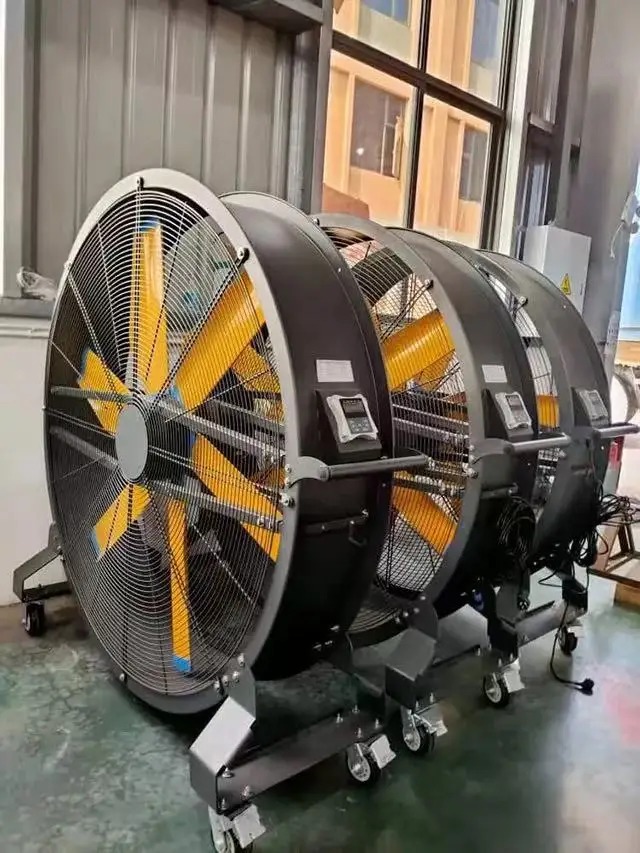
Proper ventilation is essential in industrial, agricultural, and commercial environments where heat, humidity, and poor air circulation can affect productivity and safety. One of the most effective ways to improve airflow in large spaces is through the use of industrial fans and portable industrial fans.

Industrial fans are designed to move large volumes of air, helping to cool large areas, remove stagnant air, and improve working conditions. Unlike small household fans, industrial ventilation fans are built with powerful motors and durable materials that allow them to operate continuously in demanding environments.

In Kenya, the demand for industrial and portable fans has increased significantly due to the rapid growth of warehouses, manufacturing plants, agricultural facilities, and commercial buildings.

At The Cold Room Kahuna, we supply and install industrial fans and portable industrial fans in Kenya, providing reliable ventilation solutions for businesses across multiple industries.

What Are Industrial Fans?

Industrial fans are high-capacity ventilation equipment designed to circulate air in large indoor or outdoor spaces. They are commonly used in environments where natural ventilation is not sufficient to maintain comfortable temperatures.

These fans are typically larger and more powerful than residential fans and are capable of moving thousands of cubic feet of air per minute (CFM).

Industrial fans are available in several designs including:

  • Portable industrial fans
  • Wall-mounted industrial fans
  • Ceiling-mounted HVLS fans
  • Pedestal industrial fans
  • Exhaust ventilation fans

Each type is designed to address specific ventilation needs in different environments.

What Are Portable Industrial Fans?

Portable industrial fans are a special category of industrial ventilation equipment designed with mobility and flexibility in mind.

Unlike fixed fans that remain permanently installed, portable industrial fans are equipped with wheels and handles, allowing them to be easily moved from one location to another.

This makes them ideal for environments where airflow needs change frequently.

Portable industrial fans are widely used in:

  • Warehouses
  • Factories
  • Workshops
  • Construction sites
  • Agricultural facilities
  • Event venues

Their portable wheeled design allows easy movement, making them one of the most versatile ventilation solutions available.

Key Features of Industrial and Portable Fans

High Airflow Capacity

Industrial fans are designed to move large volumes of air efficiently. This powerful airflow helps reduce heat buildup and improve ventilation in large spaces.

High airflow capacity is particularly important in warehouses and manufacturing plants where large areas require constant air circulation.

Heavy Duty Construction

Industrial fans are built to operate in demanding environments. Most models feature:

  • Strong steel frames
  • Reinforced protective grills
  • Heavy-duty motors
  • Durable aluminum or steel fan blades

This construction ensures reliability even in harsh working conditions.

Portable Wheeled Design

Portable industrial fans include strong wheels and stable frames, allowing them to be moved easily between work areas.

This flexibility makes them ideal for temporary ventilation needs.

Adjustable Airflow Direction

Many industrial fans allow users to adjust the direction of airflow by tilting the fan head.

This allows targeted ventilation where airflow is most needed.

Energy Efficient Operation

Despite their powerful performance, modern industrial fans are designed to operate efficiently, helping businesses reduce energy consumption.

PURCHASE HERE.

Applications of Industrial and Portable Fans in Kenya

Industrial ventilation fans are widely used across multiple industries in Kenya.

Warehouse Ventilation

Warehouses often experience poor airflow due to their large size and high ceilings.

Industrial fans help:

  • Improve air circulation
  • Reduce heat buildup
  • Maintain comfortable working conditions

Portable industrial fans are particularly useful in warehouses because they can be moved to areas where ventilation is required.

Businesses installing Cold Room Installation in Nairobi often use industrial fans in surrounding storage areas to maintain proper airflow.

Factory and Manufacturing Plants

Factories generate heat from machinery and production processes.

Industrial fans help cool work areas while improving air circulation around equipment.

Benefits include:

  • Improved worker comfort
  • Reduced heat stress
  • Increased productivity

Workshops and Garages

Mechanical workshops and garages produce fumes, dust, and heat from equipment and engines.

Portable industrial fans help remove contaminated air while improving ventilation.

This creates safer working environments.

Agricultural Facilities

Industrial ventilation fans play an important role in agriculture.

They are widely used in:

  • Cow barns
  • Poultry farms
  • Dairy facilities
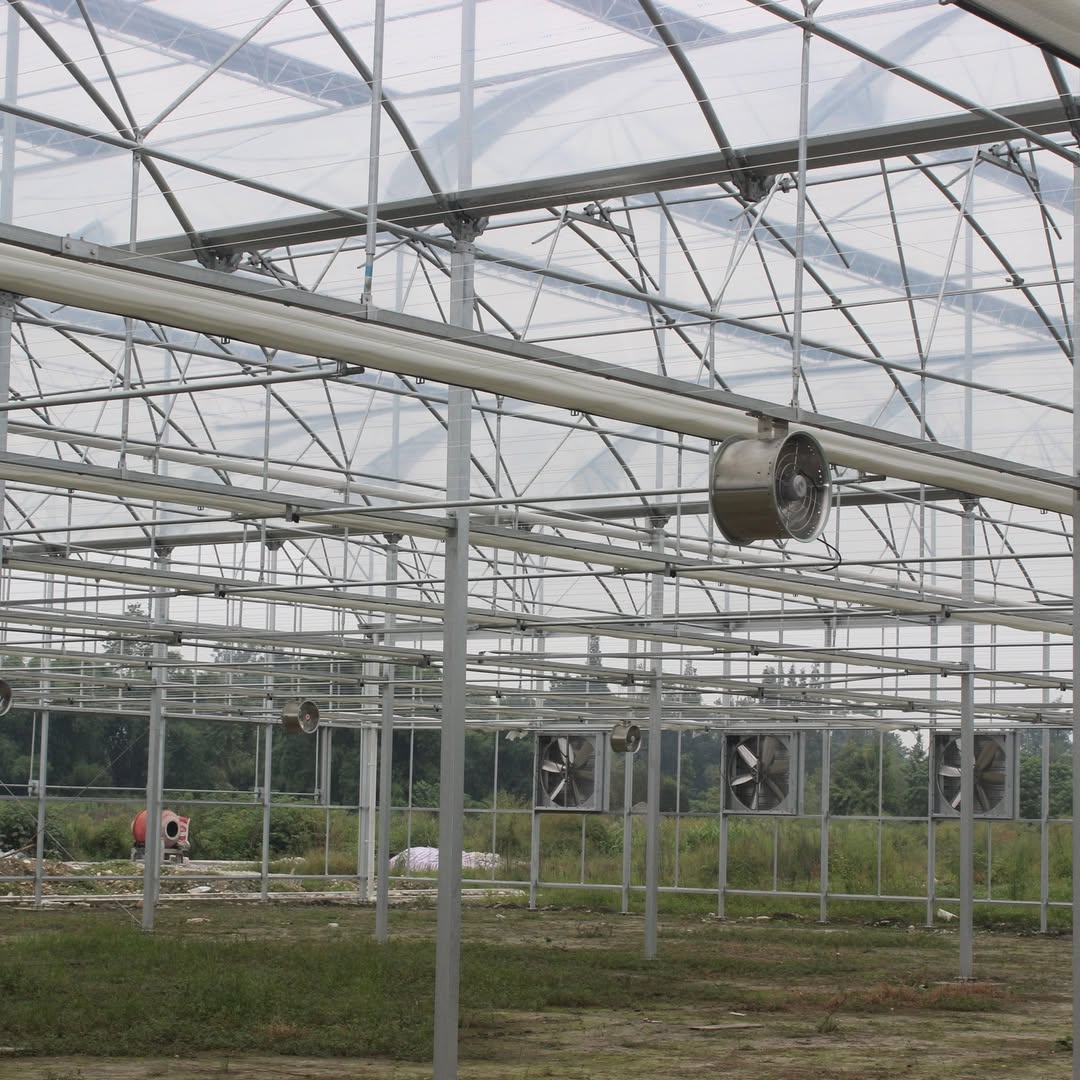
  • Greenhouses

Proper ventilation helps regulate temperature, reduce humidity, and improve animal health.

Farmers using Milk Cooling Refrigeration Units often install industrial fans to improve airflow around cooling equipment.

Construction Sites

Construction sites require ventilation for various purposes such as dust control and drying surfaces.

Portable industrial fans provide flexible airflow solutions that can easily be moved across the site.

Here is a smaller version

Gymnasiums and Event Halls

Large indoor spaces such as gymnasiums and event halls require strong ventilation systems to maintain comfortable indoor conditions during events.

Portable fans help circulate fresh air throughout the venue.

Benefits of Using Industrial and Portable Fans

Improved Air Circulation

Industrial fans help prevent stagnant air by circulating fresh air throughout the workspace.

This improves overall air quality and reduces heat buildup.

Increased Worker Comfort

Hot and poorly ventilated environments can reduce productivity.

Industrial fans create cooler working conditions that improve employee comfort.

Reduced Heat Stress

Industrial environments often expose workers to high temperatures.

Powerful airflow from industrial fans helps reduce heat stress and improve safety.

Humidity and Moisture Control

Excess humidity can damage equipment and create uncomfortable working conditions.

Industrial fans help remove moisture and maintain balanced indoor environments.

This is particularly important for businesses operating Cold Rooms in Kenya, where humidity control is essential.

Cost Effective Ventilation

Compared to installing large HVAC systems, industrial fans provide a more affordable ventilation solution.

They require minimal installation and offer immediate results.

How to Choose the Right Industrial Fan

Selecting the right industrial fan depends on several factors.

Fan Size

Large fans provide greater airflow and are suitable for large spaces such as warehouses and factories.

Airflow Capacity

Airflow capacity is measured in CFM (Cubic Feet per Minute).

Higher CFM ratings indicate stronger airflow performance.

Durability

Industrial fans should be built using durable materials capable of operating in demanding environments.

Noise Levels

Some industrial environments require quieter fans to maintain comfortable working conditions.

Portability

Portable industrial fans should include strong wheels and stable frames for easy movement.

Industrial Fans Supply and Installation in Kenya

At The Cold Room Kahuna, we supply and install high-quality industrial and portable fans in Kenya designed for commercial and industrial applications.

Our fans are suitable for:

  • Warehouses
  • Manufacturing plants
  • Workshops and garages
  • Agricultural facilities
  • Cow barns and poultry farms
  • Gymnasiums and event halls
  • Construction sites
  • Large commercial buildings

In addition to industrial ventilation systems, we also provide:

  • Cold Room Installation in Nairobi
  • Customized Cold Room Installation in Kenya
  • Cold Room Repair and Maintenance
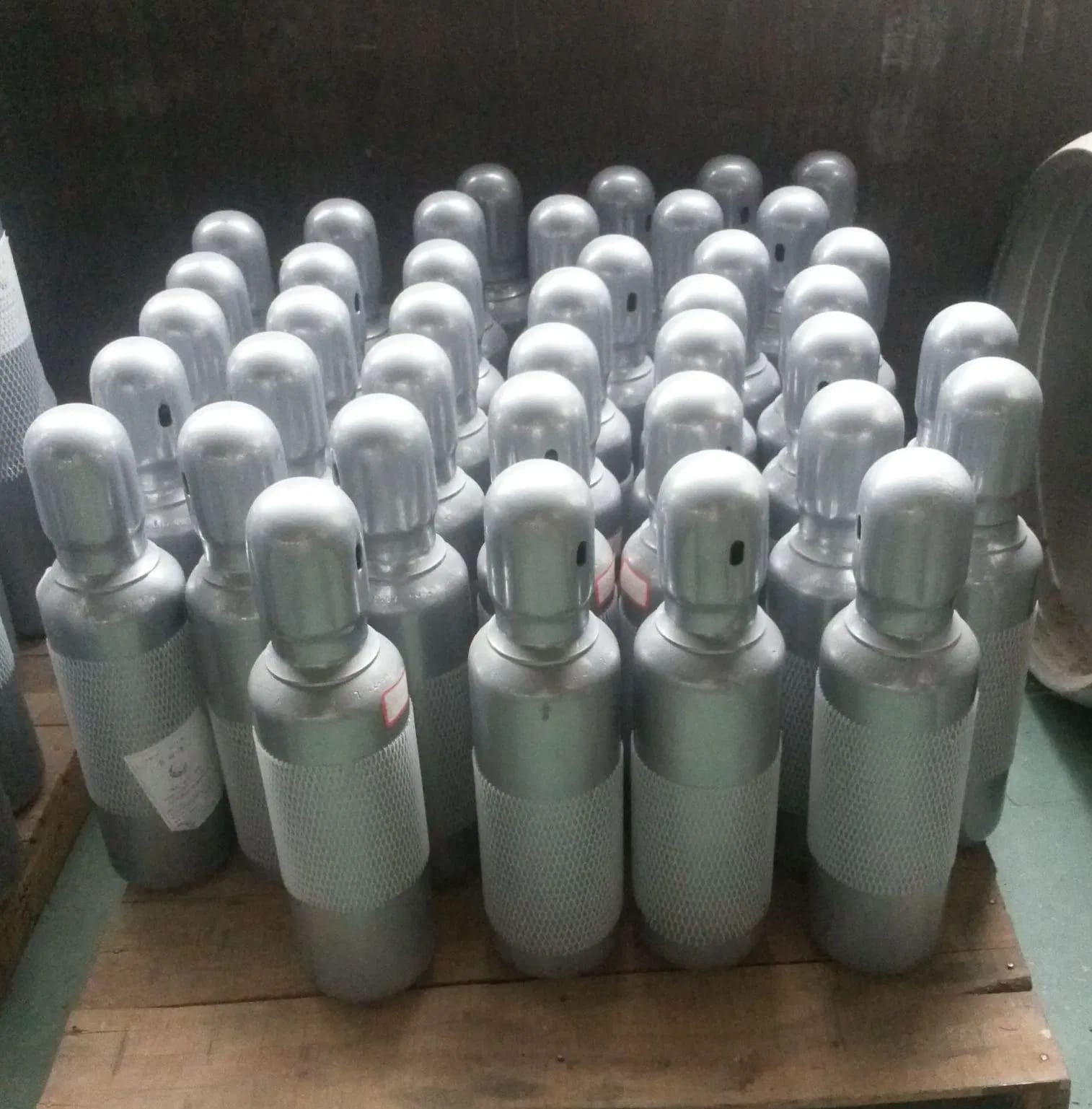
  • Refrigerant Gas Supply in Kenya
  • Commercial Refrigeration Equipment

This allows businesses to access complete cooling and ventilation solutions from a single provider.

Why Choose The Cold Room Kahuna

Businesses across Kenya trust The Cold Room Kahuna for reliable refrigeration and ventilation solutions.

Industry Experience

We have extensive experience in industrial cooling and ventilation systems.

Quality Equipment

We supply durable industrial fans designed for long-term performance.

Professional Installation

Our technicians provide expert installation services for optimal performance.

Reliable Support

We offer maintenance and support for refrigeration and ventilation equipment.

Conclusion

Industrial and portable fans are essential tools for improving ventilation, cooling, and air circulation in large commercial and industrial environments.

Their powerful airflow, durable construction, and portable wheeled design make them ideal for warehouses, factories, farms, and construction sites.

If you are looking for industrial or portable fans in Kenya, The Cold Room Kahuna provides reliable supply and installation services designed to meet your ventilation needs.

View our Portable Industrial Fans for Sale in Kenya
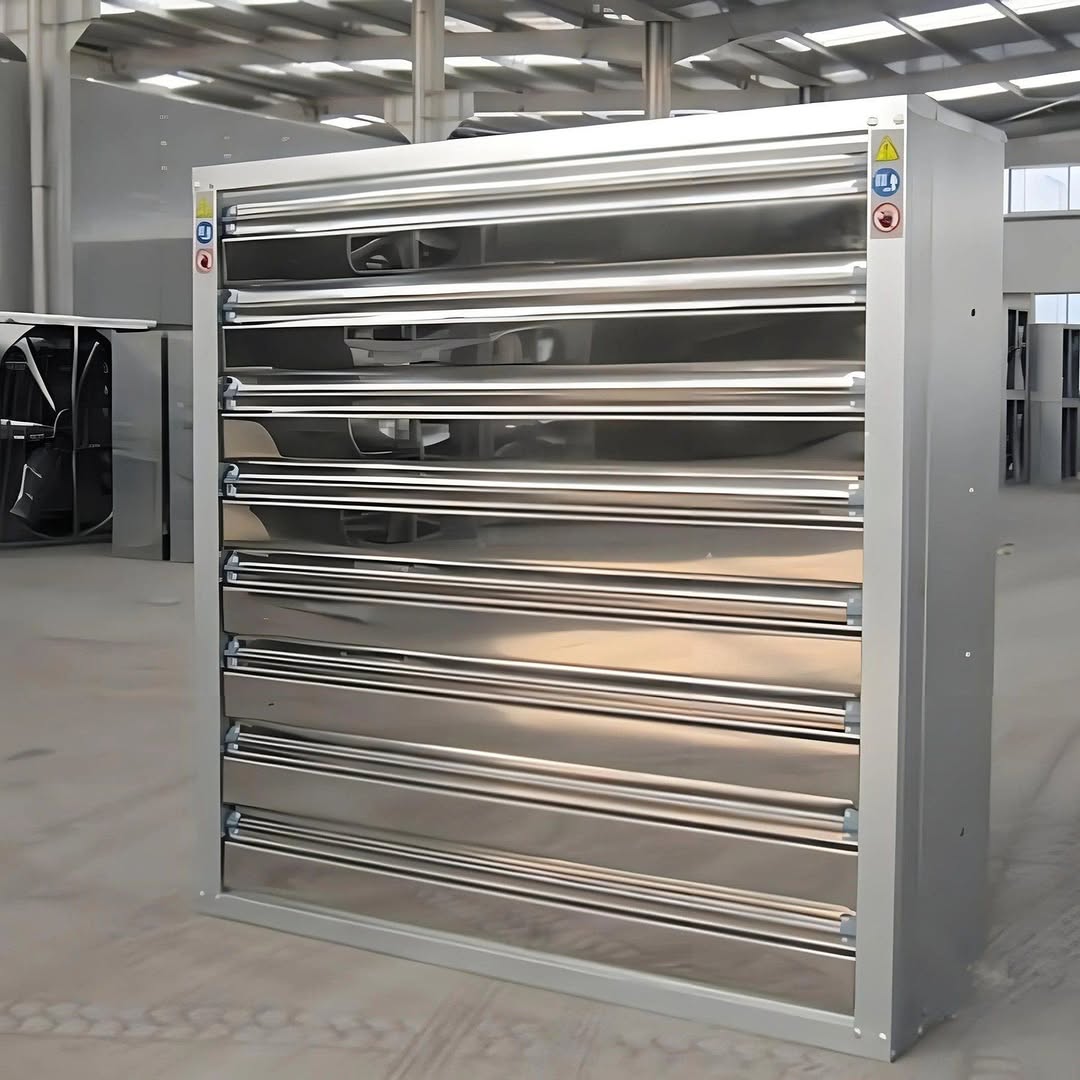
 

Let’s be real—Kenya’s heat, especially in regions like Mombasa or Turkana, can be unforgiving. Whether you’re running a cold room, a commercial kitchen, or even a tech lab, managing that heat is critical. That’s where powerful heat extractor fans come in to save the day.

Why Heat Extraction Matters

Poor ventilation not only affects comfort but also leads to damaged equipment, spoilage, and high electricity bills. A heat extractor fan does more than just move air; it transforms your space into a safe, efficient, and comfortable environment.

What Is a Heat Extractor Fan?

Definition and Function

A heat extractor fan pulls out hot air from an enclosed space and replaces it with cooler, fresh air. It’s like giving your building a breath of fresh air—literally. They’re vital for preventing heat buildup, improving air quality, and maintaining safe working conditions.

Common Applications

You’ll find these fans in:

  • Cold storage rooms

  • Kitchens

  • Greenhouses

  • Industrial facilities

  • Server rooms

Benefits of Using a Heat Extractor Fan

Temperature Regulation

They maintain optimal temperatures, reducing the risk of overheating your space or equipment.

Energy Efficiency

By removing excess heat, your AC doesn’t have to work overtime—saving you a ton in power bills.

Improved Air Quality

They help eliminate smoke, steam, chemicals, and airborne particles. Your lungs will thank you!

Extended Equipment Lifespan

Excessive heat can wear down machinery. Keeping things cool boosts longevity and reliability.

Industries That Need Heat Extractor Fans in Kenya

Cold Storage Warehouses

Cold rooms stay cooler and work more efficiently when ambient heat is kept in check.

Restaurants and Commercial Kitchens

Cooking creates heat, grease, and smoke. Extractor fans suck all that out, making kitchens safer and cleaner.

Greenhouses and Indoor Farming

Plants love heat—but not too much. Fans help maintain the perfect growing conditions.

Server Rooms and Data Centers

Electronics and heat? Bad combo. Extractor fans are essential in maintaining uptime and protecting tech investments.

Industrial Plants and Factories

Manufacturing processes often generate a lot of heat. Extractor fans ensure worker safety and process stability.

Why Buy from The Cold Room Kahuna?

Trusted Supplier in Kenya

We’re not just another vendor—we’re Kenya’s go-to pros for cold room and HVAC solutions. Trusted by businesses across Nairobi, Kisumu, Mombasa, and beyond.

Tailored Solutions for Every Industry

Whether it’s food processing, pharmaceuticals, or hospitality, we tailor our heat extraction systems to suit your needs.

Competitive Prices and Quality Guarantee

We combine affordability with international-grade quality. You get the best of both worlds.

Features of Our Powerful Heat Extractor Fans

High CFM Ratings

Our fans move a lot of air. Perfect for large-scale operations needing fast and effective heat removal.

Energy-Saving Motor Designs

Equipped with energy-efficient motors that lower your power usage without compromising performance.

Noise Reduction Technology

You don’t need a fan that sounds like a jet engine. Ours are whisper-quiet, even at high speeds.

Weatherproof and Durable Build

Kenya’s climate is tough. Our extractor fans are tougher—built with corrosion-resistant materials for long-term use.

Installation and Maintenance Services

Professional Setup

Don’t worry about wiring and ductwork. Our expert technicians handle everything.

After-Sale Support and Spare Parts

We walk the journey with you. From spare parts to servicing—we’ve got your back.

How to Choose the Right Extractor Fan

Space Size and Airflow Requirements

Bigger space = bigger fan. We help you calculate the exact CFM you need.

Energy Consumption Considerations

Want something eco-friendly? We’ll match you with a fan that fits your green goals.

Noise Levels and Fan Type

Some places need silent fans. Others can tolerate a bit more hum. We help you choose smart.

Customer Testimonials

“We installed their heat extractor fan in our butcher’s cold room and saw a drop in temperature spikes overnight!”
— James M., Nakuru

“The Cold Room Kahuna’s fan reduced our kitchen smoke dramatically. Our staff loves it!”
— Chef Angela, Nairobi

“Reliable, durable, and quiet. Just what our server room needed.”
— Daniel K., Mombasa

The Cost of Heat Extractor Fans in Kenya

What to Expect in Terms of Budget

Depending on size and specs, prices range from KES 15,000 to KES 85,000+. Installation and after-sale support included in most packages.

Value for Money with The Cold Room Kahuna

You’re not just buying a fan—you’re investing in performance, efficiency, and peace of mind.

Common Myths About Heat Extractor Fans

They’re Only for Kitchens

Nope. They’re critical in cold rooms, greenhouses, factories, and more.

They Waste Energy

Modern fans are incredibly energy-efficient. Ours are built to save you money, not burn it.

They’re Noisy and Annoying

Old models maybe. Ours? Quiet, sleek, and powerful.

Environmental Impact and Sustainability

Lowering Carbon Footprint

Efficient airflow systems reduce your overall energy demand.

Supporting Green Business Practices

With less strain on your cooling systems, you’re being kinder to the environment—and your wallet.

How to Order Your Heat Extractor Fan

Simple Online and Offline Ordering Options

  • Visit our Nairobi showroom

  • Call us directly

  • Order through our website

  • Request a free consultation on-site

We deliver and install anywhere in Kenya!

Conclusion

There’s no reason to sweat over heat problems anymore. Whether you’re running a cold room, a kitchen, or a server farm, The Cold Room Kahuna’s powerful heat extractor fans offer the perfect solution—high performance, energy efficiency, durability, and expert support across Kenya.

Make the smart choice for your business. Get your extractor fan today!

FAQs

Q1: Can I use a heat extractor fan in a residential house?
Absolutely! We have compact models perfect for homes, especially kitchens and attics.

Q2: What is the warranty on extractor fans from The Cold Room Kahuna?
Most of our fans come with a 12 to 24-month warranty, depending on the model.

Q3: Are there options for solar-powered extractor fans?
Yes! We offer eco-friendly solar-powered fans ideal for off-grid locations.

Q4: How often should extractor fans be serviced?
We recommend bi-annual maintenance for optimal performance.

Q5: Do you offer installation anywhere in Kenya?
Yes—we install countrywide, from Nairobi to Kisumu, Eldoret, Mombasa, and beyond.

High Volume (HV) Wall Fans are powerful industrial ventilation solutions designed to move large volumes of air efficiently across large spaces. In Kenya, many industries, warehouses, farms, and commercial facilities rely on HV wall fans to improve airflow, reduce heat buildup, and maintain a comfortable working environment.

If you are looking for high volume wall fans for sale in Kenya, professional suppliers such as The Cold Room Kahuna provide high-quality heavy-duty wall fans together with expert installation, maintenance, and ventilation system design services.

What is a High Volume (HV) Wall Fan?

A High Volume Wall Fan is a heavy-duty wall-mounted fan designed for large-scale air circulation. Unlike domestic fans, HV fans feature large blades, powerful motors, and durable construction to deliver strong airflow across wide spaces.

These fans are commonly installed on walls in factories, warehouses, greenhouses, and workshops where efficient air movement is essential.

HV wall fans are ideal for environments that require:

  • Continuous ventilation

  • Heat reduction

  • Improved air circulation

  • Dust and moisture control

Features of High Volume Industrial Wall Fans

High volume wall fans used in Kenya are designed for demanding environments. Some key features include:

1. Powerful Airflow Capacity

HV wall fans move a large volume of air, making them suitable for large industrial and agricultural spaces.

2. Heavy-Duty Industrial Design

They are built using durable steel frames, aluminum blades, and powerful motors designed for continuous operation.

3. Energy Efficient Cooling

Compared to air conditioning systems, HV fans provide effective cooling with significantly lower energy consumption.

4. Space Saving Installation

Wall-mounted fans save valuable floor space while providing excellent air circulation.

5. Wide Air Coverage

Large blade diameters allow these fans to circulate air across large areas effectively.

High Volume Wall Fans for Sale in Kenya

Businesses across Kenya are increasingly investing in industrial HV wall fans to improve ventilation and reduce heat in large spaces. Reliable suppliers offer:

  • Industrial wall fans supply

  • Heavy duty ventilation fans

  • Professional installation services

  • Ventilation system design

  • Fan maintenance and repair

  • Spare parts replacement

Proper installation ensures optimal airflow performance and long-term durability.

Applications of High Volume Wall Fans in Kenya

HV wall fans are widely used across many sectors due to their efficiency and durability.

Warehouses and Storage Facilities

Large warehouses require constant airflow to prevent heat buildup and protect stored goods. HV wall fans improve ventilation and worker comfort.

Factories and Manufacturing Plants

Industrial machinery produces heat that can make workplaces uncomfortable. High volume wall fans help regulate temperature and improve air movement.

Greenhouses and Agricultural Facilities

Proper ventilation is essential in greenhouse farming. HV fans help control humidity, temperature, and airflow to support healthy plant growth.

Poultry and Livestock Farming

Farm ventilation systems rely on high-volume fans to maintain proper air circulation, reducing heat stress and improving animal health.

Workshops and Garages

HV wall fans help remove fumes, dust, and heat from workshops and mechanical garages.

Commercial and Public Buildings

Large commercial spaces such as gyms, halls, restaurants, and retail stores use HV wall fans to enhance air circulation and comfort.

Benefits of Installing HV Wall Fans

Installing high volume wall fans in Kenya offers several important advantages:

  • Improved indoor air circulation

  • Reduced heat accumulation

  • Lower energy costs compared to air conditioning

  • Increased worker productivity

  • Better air quality

  • Reduced humidity and moisture buildup

  • Cost-effective ventilation solution

Why Professional Installation is Important

Professional installation ensures that HV wall fans operate efficiently and safely. Ventilation specialists consider several factors, including:

  • Proper fan positioning

  • Optimal airflow direction

  • Ceiling height and wall structure

  • Size of the facility

  • Power requirements

This ensures maximum ventilation performance and energy efficiency.

Buy High Volume Wall Fans in Kenya

If you are looking for high volume wall fans for sale in Kenya, choosing a trusted supplier ensures quality products and professional installation.

Reliable ventilation companies such as The Cold Room Kahuna provide:

  • Supply of industrial HV wall fans

  • Professional installation services

  • Ventilation system design

  • Maintenance and technical support

Whether for warehouses, factories, farms, or commercial buildings, high volume wall fans provide an efficient and affordable ventilation solution.

Conclusion

High Volume (HV) Wall Fans are an essential ventilation solution for many industries across Kenya. Their ability to move large amounts of air efficiently makes them ideal for cooling large spaces, improving air quality, and reducing energy costs.

Businesses looking for industrial wall fans in Kenya can benefit from professional supply and installation services to ensure optimal performance and long-term reliability

https://thecoldroomkahuna.com/product/industrial-fan/: High Volume (HV) Wall Fans in Kenya .


If you are searching for agricultural ventilation fans in Kenya, Tanzania, Uganda, Rwanda, or South Sudan, then you are likely dealing with one critical challenge:

👉 Heat stress, poor airflow, and low productivity in your farm or warehouse.

The solution is simple—install industrial-grade agricultural ventilation systems designed for poultry farms, greenhouses, livestock barns, and agricultural warehouses.

At The Cold Room Kahuna, we specialize in supplying and installing heavy-duty ventilation fans and industrial cooling systems built for East African climate conditions.

🌬️ Why Agricultural Ventilation Fans Are Essential in East Africa

In hot climates like East Africa, poor ventilation leads to:

  • High poultry mortality rates
  • Reduced egg and meat production
  • Slow greenhouse crop growth
  • Heat stress in livestock
  • Mold and spoilage in warehouses

✔ Proper ventilation solves this by:

  • Cooling enclosed environments
  • Removing ammonia & humidity
  • Increasing oxygen circulation
  • Improving animal and plant health
  • Increasing farm profitability

⚙️ Types of Agricultural Ventilation Fans We Supply

1️⃣ Axial Flow Agricultural Ventilation Fans (High Air Volume)

Perfect for:

  • Poultry houses (broilers & layers)
  • Greenhouses
  • Dairy farms
  • Livestock barns

✔ Delivers powerful air circulation
✔ Reduces heat stress instantly
✔ Energy efficient for long-term use

2️⃣ Centrifugal Blower Fans (High Pressure Systems)

Best for:

  • Greenhouse duct systems
  • Industrial farms
  • Feed processing plants
  • Agricultural drying systems
  • Warehouses

✔ Strong pressure airflow
✔ Works over long duct systems
✔ Industrial durability

3️⃣ Inline Duct Ventilation Fans

Used in:

  • Hydroponic farms
  • Controlled environment agriculture (CEA)
  • Poultry tunnel systems

✔ Silent operation
✔ Continuous airflow
✔ Ideal for modern farming systems

4️⃣ Wall Exhaust Ventilation Fans

Installed in:

  • Poultry farms
  • Greenhouses
  • Livestock barns
  • Storage facilities

✔ Removes hot air fast
✔ Improves indoor air quality
✔ Prevents heat buildup

🌿 Agricultural Applications Across East Africa

🐔 Poultry Farming Ventilation Systems

  • Reduce ammonia buildup
  • Improve bird growth rate
  • Increase egg production
  • Reduce disease outbreaks

🌱 Greenhouse Ventilation Systems

  • Stabilize temperature & humidity
  • Improve crop yield
  • Prevent overheating
  • Support year-round farming

🐄 Livestock Farm Cooling Systems

  • Reduce heat stress in cattle & goats
  • Improve milk production
  • Enhance animal comfort

🏭 Warehouse Ventilation Systems

  • Protect stored goods
  • Reduce moisture damage
  • Improve airflow efficiency

⚡ Key Features of Our Ventilation Fans

  • Heavy-duty galvanized steel body
  • High airflow capacity (industrial grade)
  • Energy-efficient copper motors
  • Low noise operation
  • Corrosion-resistant design
  • 24/7 continuous operation capability

📈 Benefits of Installing Proper Ventilation

  • Higher farm productivity
  • Reduced animal mortality
  • Faster crop growth
  • Lower operational losses
  • Improved storage quality
  • Better return on investment (ROI)

🏆 Why Choose The Cold Room Kahuna

We are a leading supplier of industrial agricultural ventilation systems in East Africa, offering:

✔ Poultry ventilation system design
✔ Greenhouse cooling solutions
✔ Warehouse airflow systems
✔ Industrial centrifugal & axial fans
✔ Cold room & refrigeration systems

📍 Serving: Kenya, Tanzania, Uganda, Rwanda & South Sudan
📞 Call/WhatsApp: +254 745 105 691
🌐 https://thecoldroomkahuna.com

Cold room systems are essential for businesses that require temperature-controlled storage, including food processing plants, pharmaceutical companies, and horticultural industries. In Kenya, the demand for efficient and reliable cold storage is growing as businesses seek to minimize waste and enhance product preservation. Upgrading cold room systems is crucial to keep up with modern technology, improve efficiency, and reduce costs.

Understanding Cold Room Systems

A cold room system is a temperature-controlled space designed to store perishable goods. These rooms maintain a consistent, low-temperature environment using refrigeration units and insulated panels. Industries such as agriculture, hospitality, and medicine rely heavily on cold rooms to ensure product freshness and compliance with health regulations.

Why Upgrade Your Cold Room System?

Enhancing Energy Efficiency

Old refrigeration systems tend to consume more energy due to outdated technology. Upgrading to modern, energy-efficient compressors and insulation materials can significantly reduce electricity bills.

Improving Storage Capacity and Organization

New cold room designs incorporate optimized shelving, smart storage solutions, and enhanced airflow to maximize storage space and maintain uniform cooling.

Reducing Operational Costs

With modern insulation materials and automated systems, businesses can lower maintenance costs and minimize downtime due to system failures.

Ensuring Compliance with Industry Regulations

Cold storage systems must adhere to strict temperature control regulations, especially in food and pharmaceutical industries. Upgrading ensures compliance with international safety standards.

Key Upgrades for Cold Room Systems

Advanced Refrigeration Technology

Switching to high-efficiency compressors and smart cooling systems can enhance performance while lowering operational expenses.

Improved Insulation Materials

Upgrading insulation panels reduces temperature fluctuations and prevents heat leaks, leading to consistent cooling and lower power consumption.

Smart Monitoring and Automation

Modern cold rooms incorporate IoT-enabled monitoring systems that send real-time alerts to prevent spoilage and system failures.

Solar-Powered Cold Room Systems

With Kenya’s abundant sunlight, solar-powered cold rooms offer an eco-friendly and cost-effective alternative for off-grid locations.

Eco-Friendly Refrigerants

Transitioning to environmentally friendly refrigerants helps businesses comply with sustainability regulations while reducing their carbon footprint.

Industries Benefiting from Cold Room Upgrades

Food and Beverage Industry

Ensuring longer shelf life for perishable goods.

Pharmaceutical Sector

Maintaining stable temperatures for medicines and vaccines.

Horticulture and Floriculture

Reducing spoilage and maintaining export quality.

Hospitality and Supermarkets

Providing consistent cooling in high-demand environments.

How The Cold Room Kahuna is Leading the Way in Kenya

The Cold Room Kahuna specializes in innovative cold storage solutions tailored for Kenyan businesses. With years of experience, cutting-edge technology, and a customer-focused approach, they have become a trusted name in the industry.

Steps to Upgrading Your Cold Room System

  1. Assess Current Performance – Identify inefficiencies and areas for improvement.
  2. Consult Experts – Work with professionals to determine the best upgrades.
  3. Implement Upgrades – Install new technology and insulation materials.
  4. Monitor & Maintain – Regular maintenance ensures long-term efficiency.

Conclusion

Upgrading your cold room system is a worthwhile investment for businesses seeking efficiency, cost savings, and compliance. With expert guidance from The Cold Room Kahuna, Kenyan enterprises can achieve modern, reliable cold storage solutions tailored to their needs.

FAQs

  1. How long does it take to upgrade a cold room system?
    It depends on the scale of the upgrade, but most installations take a few days to a few weeks.
  2. Are solar-powered cold rooms reliable for commercial use?
    Yes, they provide a sustainable, cost-effective alternative for businesses in areas with high energy costs.
  3. What is the average lifespan of a cold room system?
    With proper maintenance, a cold room system can last over 15 years.
  4. How can I reduce the energy consumption of my cold storage?
    Upgrading insulation, using energy-efficient refrigeration, and incorporating smart monitoring systems can help.
  5. Do cold room upgrades require special permits in Kenya?
    Depending on the scope, some upgrades may require regulatory approval, especially for commercial facilities.

Refrigeration systems are essential in numerous industries, from food preservation to pharmaceuticals. Keeping these systems in top-notch condition isn’t just about compliance or avoiding breakdowns—it’s about efficiency, cost savings, and ensuring uninterrupted operations.

Understanding Refrigeration Systems

Basic Components of a Refrigeration System

Every refrigeration system consists of critical parts like the compressor, condenser, evaporator, and refrigerant. Each plays a vital role in keeping the system operational.

Common Applications

Refrigeration systems are commonly used in restaurants, supermarkets, warehouses, and industrial plants. These systems are indispensable for preserving perishable goods and maintaining specific temperature ranges.

Why Maintenance is Crucial

Neglecting maintenance can lead to higher energy bills, frequent breakdowns, and costly repairs. Regular maintenance ensures your system operates efficiently, prolongs its life, and prevents unexpected issues.

Common Issues in Refrigeration Systems

  • Refrigerant Leaks: These can lead to insufficient cooling and increased energy consumption.
  • Compressor Problems: The heart of the system, a failing compressor can halt operations entirely.
  • Thermostat Malfunctions: A faulty thermostat can result in improper temperature regulation.
  • Coil Issues: Dirty or damaged evaporator and condenser coils reduce efficiency.
  • Maintenance Checklist for Refrigeration Systems

    Daily Maintenance Tasks

  • Ensure temperature settings align with requirements.
  • Wipe down external surfaces to prevent dust buildup.
  • Weekly Maintenance Tasks

  • Inspect for visible leaks or unusual noises.
  • Monitor the system’s overall performance.
  • Monthly Maintenance Tasks

  • Clean condenser and evaporator coils to enhance heat transfer.
  • Check refrigerant levels and top up if necessary.
  • Annual Maintenance Tasks

  • Schedule professional inspections and tune-ups.
  • Calibrate thermostats and other controls for accurate readings.
  • Best Practices for Maintaining Refrigeration Systems

  • Stick to a strict maintenance schedule.
  • Train your staff to recognize early warning signs of problems.
  • Maintain a detailed log of all maintenance activities for reference.
  • Tools and Equipment for Maintenance

    While some tasks can be performed with basic tools like screwdrivers and thermometers, certain jobs require advanced equipment like leak detectors or refrigerant recovery systems. For complex issues, hiring professionals is the best course of action.

    Environmental Considerations

    Energy Efficiency

    An energy-efficient refrigeration system not only saves costs but also reduces your carbon footprint.

    Safe Refrigerant Handling

    Refrigerants must be handled and disposed of carefully to avoid environmental harm. Always comply with regulations.

    Tips for Troubleshooting Refrigeration Systems

  • Unusual Noises: These often indicate mechanical issues or loose components.
  • Cooling Inefficiencies: Inspect coils, refrigerant levels, and airflow.
  • Leaks: Look for puddles or frost buildup as potential signs.
  • Role of Professional Services

    Certified technicians bring expertise and specialized tools to ensure thorough maintenance and timely repairs. Partnering with a trusted provider is key to system longevity.

    How The Cold Room Kahuna Can Help

    The Cold Room Kahuna specializes in maintaining and repairing refrigeration systems for all industries. Their certified technicians, personalized service plans, and commitment to excellence make them the go-to solution for all refrigeration needs.

    Conclusion

    Proper maintenance is the backbone of any reliable refrigeration system. By following a structured checklist, adopting best practices, and partnering with experts like The Cold Room Kahuna, you can ensure optimal performance, energy efficiency, and cost savings.

    FAQs

    1. What are the signs of a failing refrigeration system?
    Unusual noises, temperature fluctuations, and excessive energy usage are common signs.

    2. How often should a refrigeration system be serviced?
    Annual professional maintenance is recommended, with regular checks in between.

    3. Can I perform maintenance myself, or do I need a professional?
    While daily tasks can be handled in-house, professional services are essential for complex maintenance.

    4. What’s the average lifespan of a commercial refrigeration system?
    With proper care, most systems last 10-15 years.

    5. How does regular maintenance save money in the long run?
    It reduces energy bills, prevents costly breakdowns, and extends the system’s lifespan.

    Cold Room Compressors and Their Importance in Kenya

    Cold room compressors are the backbone of refrigeration systems, enabling the storage of perishable goods by maintaining precise low temperatures. In Kenya, where agriculture and food exports are significant economic drivers, the role of cold storage is crucial. From preserving fresh produce to maintaining pharmaceutical supplies, cold rooms ensure that businesses operate efficiently, with minimal spoilage and waste.

    What Are Cold Room Compressors?

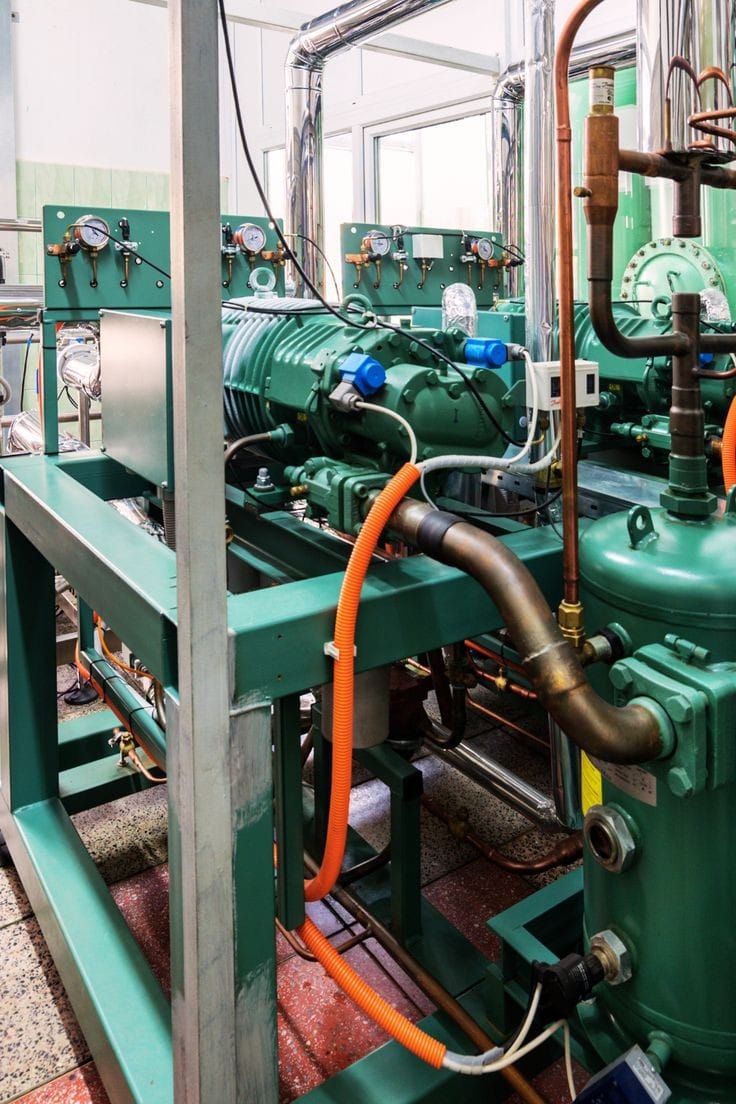
    A cold room compressor is the component responsible for compressing refrigerant gas, enabling heat exchange and cooling. These devices are the “heart” of refrigeration systems, ensuring a continuous cycle of cooling that keeps temperatures consistent within the storage space.

    Key Role of Compressors in Cold Storage Systems

    Compressors regulate the flow and pressure of the refrigerant, which is essential for maintaining the desired temperature in a cold room. Without a functioning compressor, the entire refrigeration system fails, resulting in costly losses for businesses.

    Why Cold Room Compressors Matter for Kenyan Businesses

    In Kenya, where high temperatures and humidity prevail, the need for efficient cooling systems is magnified. Cold room compressors are vital for industries like agriculture, fisheries, hospitality, and healthcare, ensuring that goods remain fresh and safe for consumption or use.

    The Cold Room Kahuna: Trusted Experts in Kenya

    When it comes to reliable cold room solutions in Kenya, The Cold Room Kahuna stands out as a leader in compressor repair, maintenance, and supply.

    Company Background and Expertise

    With years of experience in the refrigeration industry, The Cold Room Kahuna has built a reputation for delivering top-notch services tailored to Kenyan businesses. Their team comprises skilled technicians who understand the unique challenges posed by Kenya’s climate and industry demands.

    Commitment to Quality and Customer Satisfaction

    The Cold Room Kahuna is dedicated to providing high-quality services, ensuring every client receives solutions that enhance efficiency and reduce downtime. Their commitment to customer satisfaction is evident in their personalized approach and timely service delivery.

    Overview of Services Offered

    From diagnosing and repairing faulty compressors to supplying high-quality replacement parts, The Cold Room Kahuna offers a comprehensive range of services. They also provide preventive maintenance programs to help businesses avoid costly repairs.

    Signs Your Cold Room Compressor Needs Repair

    To prevent complete system failures, it’s essential to recognize early signs of compressor issues.

    Unusual Noises from the Compressor

    If your compressor starts making clunking, hissing, or grinding sounds, it could indicate mechanical problems such as loose components or wear and tear.

    Insufficient Cooling or Temperature Fluctuations

    When a cold room fails to maintain its set temperature, the compressor might be underperforming or leaking refrigerant.

    High Energy Consumption and System Inefficiency

    A malfunctioning compressor often leads to increased energy bills. If your system is consuming more power than usual, it may require urgent attention.

    Cold Room Compressor Repair Services Offered by The Cold Room Kahuna

    The Cold Room Kahuna specializes in restoring compressors to optimal functionality.

    Diagnostic Techniques and Tools

    Using advanced diagnostic tools, technicians can quickly identify the root cause of compressor failures, saving time and money for businesses.

    Common Issues and Effective Repair Solutions

    From fixing refrigerant leaks to replacing damaged components, The Cold Room Kahuna provides targeted solutions for a wide range of compressor issues.

    Cost of Repairs and Ensuring Longevity

    Repair costs are tailored to the complexity of the problem, but The Cold Room Kahuna ensures affordability without compromising quality. Regular maintenance is also recommended to extend the lifespan of compressors.

    Maintenance Practices for Optimal Performance

    Proper maintenance is key to maximizing the efficiency of cold room compressors.

    Regular Inspection Routines

    Schedule regular checks to detect and address potential issues early. Inspect components such as belts, coils, and electrical connections for wear or damage.

    Cleaning and Preventative Maintenance

    Dirty coils and clogged filters can reduce efficiency. Cleaning these components regularly ensures smooth operation.

    Best Practices for Prolonging Compressor Life

    Operate compressors within their recommended capacity, avoid overloading the system, and ensure the refrigerant levels are adequate to prevent strain on the compressor.

    Reliable Supply of Compressors in Kenya by The Cold Room Kahuna

    Whether you’re setting up a new cold room or upgrading an existing one, The Cold Room Kahuna provides reliable compressor solutions.

    Range of Compressors Available

    The company offers a wide selection of compressors, including hermetic, semi-hermetic, and open-type models, catering to various cooling needs.

    Selecting the Right Compressor for Your Cold Room

    The Cold Room Kahuna assists clients in choosing compressors that match their specific requirements, ensuring efficiency and cost-effectiveness.

    Delivery and Installation Services

    With prompt delivery and professional installation services, The Cold Room Kahuna ensures minimal disruption to your operations.

    The Impact of Climate and Geography on Cold Room Compressor Needs in Kenya

    Kenya’s diverse climate presents unique challenges for cold storage.

    Challenges in the Kenyan Climate

    High ambient temperatures and humidity levels can strain refrigeration systems, necessitating robust compressor solutions.

    Solutions Tailored to Regional Demands

    The Cold Room Kahuna provides climate-specific solutions, such as compressors designed to handle high temperatures and energy-efficient models.

    Eco-Friendly Compressor Options

    To align with global sustainability goals, the company offers eco-friendly compressors that use low-GWP refrigerants.

    Why Choose The Cold Room Kahuna Over Competitors?

    Reputation for Excellence

    The Cold Room Kahuna’s proven track record makes them a trusted choice for cold room services in Kenya.

    Advanced Technology and Equipment

    The company uses state-of-the-art tools and technologies to deliver superior results.

    Affordable Pricing and Flexible Solutions

    With competitive pricing and tailored service packages, The Cold Room Kahuna offers value for money.

    FAQs About Cold Room Compressor Repair, Maintenance, and Supply

    • What types of compressors does The Cold Room Kahuna supply?
      They supply hermetic, semi-hermetic, and open-type compressors to suit different needs.
    • How often should a cold room compressor be serviced?
      Ideally, compressors should be serviced every three to six months.
    • What are the common problems with cold room compressors?
      Common issues include refrigerant leaks, overheating, and mechanical wear.
    • Can I get same-day repair services?
      Yes, The Cold Room Kahuna offers prompt repair services, including same-day solutions.
    • Does The Cold Room Kahuna provide warranty services?
      Yes, they provide warranties on both repairs and new compressors.
    • How do I choose the right compressor for my needs?
      Consult with The Cold Room Kahuna’s experts, who will guide you based on your cooling requirements and budget.

    Conclusion: Ensuring Efficiency with The Cold Room Kahuna

    The Cold Room Kahuna is your trusted partner for cold room compressor repair, maintenance, and supply in Kenya. By choosing their expert services, you ensure the longevity and efficiency of your refrigeration systems, keeping your business running smoothly.

    The Ultimate Guide to Cold Room Monitoring System by The Cold Room Kahuna

    Understanding cold Room Monitoring Systems

    What Is a cold Room Monitoring System?

    A cold room monitoring system is a specialized solution designed to manage and track the environmental conditions within older spaces, ensuring optimal performance and safety. These systems utilize advanced sensors to monitor temperature, humidity, and air quality, offering real-time data and alerts. In older buildings or cold rooms, maintaining stable conditions is crucial for preserving the integrity of stored items, such as perishable goods or sensitive equipment.

    The Evolution of Room Monitoring Technology

    Room monitoring has come a long way from manual temperature checks and analog thermometers. The advent of digital technology brought about automated systems that could track conditions more accurately. Today, innovations like the Internet of Things (IoT) and artificial intelligence (AI) have made monitoring systems smarter and more efficient. The Cold Room Kahuna has been at the forefront of this evolution, developing solutions tailored to modern needs while addressing the challenges of older spaces.

    Key Features of Advanced Monitoring Systems

    Modern monitoring systems, like those offered by The Cold Room Kahuna, boast features such as:

      • Real-Time Alerts: Instant notifications for any deviations in temperature or humidity.
      • Remote Accessibility: Control and monitor your system from anywhere using a smartphone or computer.
      • Energy Efficiency: Smart algorithms to optimize energy consumption.
      • Data Logging: Historical data storage for compliance and analysis.
      • Customizable Settings: Tailored configurations to suit specific needs.

    Why Choose The Cold Room Kahuna for Monitoring Solutions?

    Expertise and Experience in Cold Room Technology

    With decades of experience, The Cold Room Kahuna has established itself as a leader in the industry. Their team comprises experts who understand the unique challenges of maintaining colder rooms and cold storage facilities. They have consistently delivered innovative solutions that combine reliability with cutting-edge technology.

    Unique Offerings by The Cold Room Kahuna

    The Cold Room Kahuna stands out for its:

        • Customizable Systems: Solutions tailored to the specific needs of older spaces.
        • Comprehensive Support: End-to-end service from installation to maintenance.
        • Sustainability Focus: Energy-efficient systems that reduce environmental impact.

    Benefits of Using Their Old Room Monitoring System

    Opting for The Cold Room Kahuna’s system ensures:

          • Peace of Mind: Reliable performance and proactive alerts.
          • Cost Savings: Reduced energy bills and minimized maintenance costs.
          • Improved Safety: Protection against spoilage or equipment failure.

    How Cold Room Monitoring Systems Work

    Sensors and Their Role

    At the heart of any monitoring system are sensors. These devices detect changes in environmental conditions and transmit data to a central hub. The sensors used by The Cold Room Kahuna are highly accurate and durable, making them ideal for older, potentially challenging environments.

    Data Collection and Transmission

    The system collects data continuously, ensuring that even the slightest fluctuations are recorded. This data is transmitted securely to a central platform, where it is analyzed for trends and anomalies.

    Remote Monitoring and Alerts

    One of the standout features of modern systems is remote monitoring. With The Cold Room Kahuna’s solutions, you can access real-time data and receive alerts via email or SMS, no matter where you are.

    Applications of Cold Room Monitoring Systems

    Industrial and Commercial Uses

    Cold room monitoring systems are essential for industries like food storage, pharmaceuticals, and logistics. These systems ensure compliance with regulatory standards and prevent costly losses due to spoilage or equipment failure.

    Residential Applications

    In residential settings, monitoring systems can help maintain comfortable living conditions and protect valuable items like wine collections or antique furniture.

    Specialized Environments

    For specialized environments such as laboratories or archives, precise monitoring is critical to preserving sensitive materials and ensuring operational efficiency.

    Setting Up a Cold Room Monitoring System by The Cold Room Kahuna

    Installation Process

    The installation process is straightforward and handled by experts. The team conducts a thorough assessment of your space to determine the best sensor placement and system configuration.

    Integration with Existing Systems

    The Cold Room Kahuna’s solutions are designed to integrate seamlessly with your existing infrastructure, minimizing disruption during setup.

    Troubleshooting and Maintenance

    Regular maintenance ensures the system continues to perform optimally. The Cold Room Kahuna offers comprehensive support services, including troubleshooting and updates.

    Advantages of Cold Room Monitoring Systems

    Energy Efficiency and Cost Savings

    Smart monitoring systems optimize energy usage by adjusting settings based on real-time data. This leads to significant cost savings over time.

    Enhanced Security and Safety

    By providing instant alerts, these systems help prevent accidents, equipment damage, and loss of valuable goods.

    Real-Time Data Insights

    Access to real-time and historical data allows for better decision-making and improved operational efficiency.

    Common Challenges and How to Overcome Them

    Compatibility with Colder Rooms

    Colder rooms may have structural or wiring limitations. The Cold Room Kahuna’s systems are designed to overcome these challenges with wireless options and adaptable configurations.

    Signal and Connectivity Issues

    Reliable connectivity is essential for remote monitoring. The Cold Room Kahuna addresses this with advanced signal boosters and backup options.

    Addressing Privacy Concerns

    Data security is a top priority. The Cold Room Kahuna ensures all data is encrypted and complies with industry standards.

    Innovations in Monitoring Technology

    IoT Integration in Cold Room Monitoring

    The Internet of Things (IoT) allows devices to communicate seamlessly, creating a more efficient and interconnected monitoring system.

    AI and Machine Learning Applications

    AI enables predictive analytics, helping to identify potential issues before they occur. This proactive approach minimizes downtime and maximizes efficiency.

    Predictive Maintenance Features

    With predictive maintenance, the system can alert you to potential failures, allowing for timely intervention and reducing repair costs.

    Choosing the Right Monitoring System for Your Needs

    Factors to Consider Before Purchase

    When selecting a monitoring system, consider factors like scalability, compatibility, and cost-effectiveness.

    Comparing Options on the Market

    The Cold Room Kahuna’s solutions stand out for their reliability, advanced features, and excellent customer support.

    Long-Term Value of The Cold Room Kahuna Solutions

    Investing in a high-quality monitoring system from The Cold Room Kahuna ensures long-term savings, improved safety, and peace of mind.

    FAQs About Old Room Monitoring Systems by The Cold Room Kahuna

    What Makes The Cold Room Kahuna Different?

    Their expertise, innovative solutions, and commitment to customer satisfaction set them apart.

    Can It Be Retrofitted to Older Rooms?

    Yes, their systems are designed to adapt to older structures without significant modifications.

    What Are the Maintenance Costs?

    Maintenance costs are minimal, thanks to the system’s robust design and efficient operation.

    How Accurate Is the Monitoring System?

    The system uses high-precision sensors to deliver accurate and reliable data.

    Is Remote Access Possible?

    Absolutely. You can monitor and control the system remotely via a user-friendly app.

    What Support Options Are Available?

    The Cold Room Kahuna offers 24/7 support, ensuring any issues are resolved promptly.

    Conclusion

    Emphasizing the Value of Cold Room Monitoring Systems

    Cold room monitoring systems are essential for maintaining optimal conditions, ensuring safety, and reducing costs.

    Why The Cold Room Kahuna Stands Out

    With its expertise, innovative solutions, and customer-centric approach, The Cold Room Kahuna is the ideal choice for all your monitoring needs.

    Refrigerants are the lifeblood of cooling systems, ensuring optimal performance in applications ranging from household refrigerators to industrial cryogenic systems. Among the vast array of refrigerants available, R-23 and R-508B stand out as key players in ultra-low temperature applications. But what sets them apart? Let’s dive in to explore their differences and determine which is better suited for your cooling needs.

    What is Refrigerant R-23?
    Composition and Chemical Properties
    R-23, also known as Trifluoroethane, is a hydrofluorocarbon (HFC) with the chemical formula CHF₃. It is characterized by its high boiling point and exceptional cooling capabilities in extremely low-temperature systems.

    Common Applications
    R-23 is commonly used in medical and laboratory equipment, such as MRI machines and pharmaceutical freezers. Its ability to maintain consistent performance in temperatures as low as -80°C makes it invaluable in these fields.

    What is Refrigerant R-508B?
    Composition and Chemical Properties
    R-508B is a blend of two HFCs: R-23 and R-116. This combination enhances its cooling performance, particularly in cryogenic systems. It boasts a lower global warming potential (GWP) compared to many other refrigerants.

    Common Applications
    R-508B is widely utilized in industrial freezers, cryogenic storage systems, and scientific research facilities. Its efficiency in maintaining ultra-low temperatures has made it a favorite in industries requiring precise thermal control.

    Key Differences Between R-23 and R-508B
    Chemical Composition
    While R-23 is a single-component refrigerant, R-508B is a blend. This distinction directly impacts their performance and environmental impact.

    Performance in Different Temperature Ranges
    R-23 is ideal for temperatures below -50°C, making it perfect for deep-freezing applications. In contrast, R-508B is designed to operate efficiently at slightly higher temperatures while still achieving ultra-low cooling.

    Energy Efficiency
    R-508B often outperforms R-23 in terms of energy efficiency, reducing operational costs over time.

    Environmental Impact
    R-508B has a lower GWP than R-23, aligning better with global environmental standards.

    Suitability for Ultra-Low Temperature Applications
    R-23’s Role in Low-Temperature Systems
    R-23’s ability to maintain stability at extreme temperatures makes it a reliable choice for critical applications like medical storage.

    R-508B’s Effectiveness in Similar Applications
    Thanks to its blend composition, R-508B delivers enhanced cooling performance, often requiring less energy to achieve comparable results.

    Safety and Handling of R-23 and R-508B
    Storage Guidelines
    Both refrigerants should be stored in a cool, dry place away from direct sunlight and heat sources.

    Handling Precautions
    Proper personal protective equipment (PPE) is essential when handling these refrigerants to avoid exposure-related risks.

    Risk Factors
    Leaks or improper usage can lead to environmental harm or health hazards, underscoring the importance of professional handling.

    Cost and Availability
    R-23 is generally more affordable but faces increasing restrictions due to its higher GWP. R-508B, while pricier, is gaining traction thanks to its eco-friendly profile and availability in niche markets.

    Environmental Regulations
    International agreements like the Kigali Amendment aim to phase out high-GWP refrigerants like R-23. R-508B, with its lower environmental impact, remains a more sustainable option under current regulations.

    Choosing the Right Refrigerant
    When deciding between R-23 and R-508B, consider factors like application requirements, energy efficiency, and environmental impact. For industries prioritizing sustainability, R-508B often emerges as the better choice.

    Advantages of R-23
    Superior performance at extreme low temperatures
    Proven reliability in medical and scientific applications
    Advantages of R-508B
    Lower GWP and environmental impact
    Greater energy efficiency in cryogenic systems
    Challenges and Limitations
    R-23
    Environmental concerns and limited availability due to regulatory restrictions.

    R-508B
    Higher upfront costs and specific application requirements.

    Future of Refrigerants
    With advancements in refrigerant technology, more eco-friendly and efficient alternatives to R-23 and R-508B are likely to emerge, further shaping the cooling industry.

    Conclusion
    Choosing the right refrigerant for your application is no small task. By understanding the differences between R-23 and R-508B, you can make an informed decision that balances performance, cost, and environmental impact. The future of cooling lies in sustainable solutions, and both these refrigerants have their place in the evolving landscape.

    FAQs
    What are the main differences between R-23 and R-508B?
    R-23 is a single-component refrigerant, while R-508B is a blend. They differ in performance, efficiency, and environmental impact.

    Which refrigerant is more environmentally friendly?
    R-508B has a lower global warming potential compared to R-23.

    Can R-23 and R-508B be used interchangeably?
    No, their applications and properties differ, so they are not interchangeable.

    What industries typically use R-23 and R-508B?
    R-23 is common in medical and laboratory equipment, while R-508B is used in cryogenic and industrial freezers.

    Are there alternatives to these refrigerants?
    Yes, newer refrigerants with lower GWPs are being developed as alternatives to both R-23 and R-508B.

    A Cold Room Refrigeration System is a specialized system designed to maintain a controlled, low-temperature environment for storing perishable goods. These systems are commonly used in industries such as food and beverage, pharmaceuticals, agriculture, and logistics, where maintaining the quality and safety of temperature-sensitive products is critical.

    Components of a Cold Room Refrigeration System

    1. Insulated Enclosure:
      • The walls, floors, and ceilings of the cold room are made of insulated panels to minimize heat transfer and maintain a consistent internal temperature.
    2. Refrigeration Unit:
      • Includes compressors, condensers, evaporators, and refrigerants that work together to remove heat from the cold room.
      • The compressor compresses the refrigerant, which then releases heat outside the cold room as it condenses.
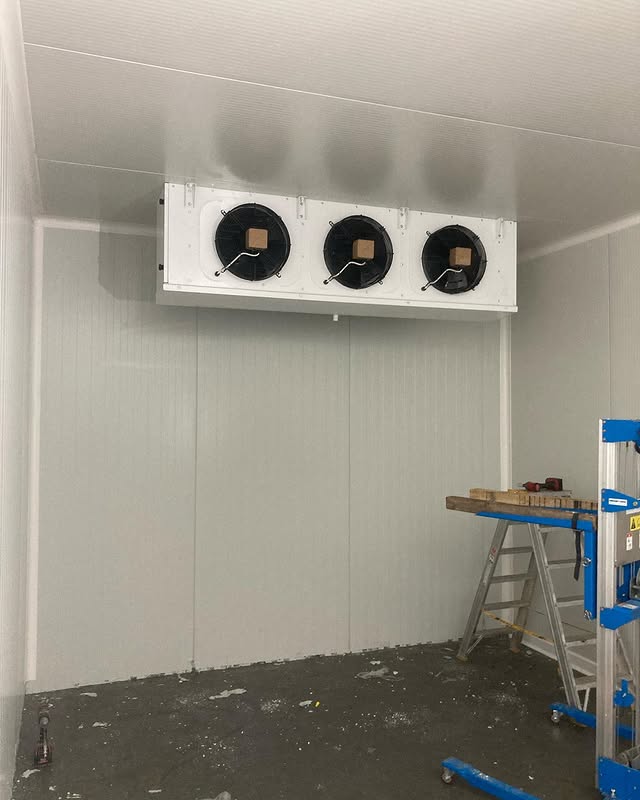
    3. Evaporator Fans:
      • Located inside the cold room, they distribute cool air evenly throughout the space.
    4. Temperature Control System:
      • Allows users to set and monitor the desired temperature, often with alarms for deviations.
    5. Refrigerants:
      • Substances like R134a or R404a are used to transfer heat efficiently, but eco-friendlier alternatives like R290 (propane) are increasingly being adopted.
    6. Defrost Mechanism:
      • Removes frost buildup on the evaporator coils to ensure efficient cooling.

    Key Features of Cold Room Systems

    • Temperature Range: Can vary from -40°C (-40°F) to 15°C (59°F), depending on the application.
    • Humidity Control: Some systems also regulate humidity to preserve specific products like fruits, vegetables, or flowers.
    • Energy Efficiency: Modern systems often include energy-saving technologies to reduce operational costs.

    Applications

    1. Food Industry:
      • Storage of meat, seafood, dairy products, fruits, and vegetables to prevent spoilage.
    2. Pharmaceuticals:
      • Preservation of vaccines, medicines, and other sensitive products.
    3. Agriculture:
      • Post-harvest storage to prolong the shelf life of produce.
    4. Logistics:
      • Temperature-controlled storage in warehouses and during transportation.

    In summary, a cold room refrigeration system is an essential infrastructure for industries relying on temperature-sensitive products, ensuring freshness, safety, and quality while minimizing waste.


    Advantages of Cold Room Refrigeration Systems

    1. Preservation of Product Quality:
      • Extends the shelf life of perishable goods by preventing spoilage.
      • Maintains nutritional and aesthetic qualities of food products.
    2. Compliance with Regulations:
      • Essential for industries to meet health and safety standards, especially in food and pharmaceuticals.
    3. Energy Efficiency and Sustainability:
      • Modern systems incorporate features like variable speed drives, high-efficiency compressors, and eco-friendly refrigerants to reduce environmental impact.
    4. Customization:
      • Can be tailored to meet specific requirements such as size, temperature range, and additional features like humidity control.
    5. Economic Benefits:
      • Reduces waste and losses due to spoilage, improving profitability.

    Maintenance and Challenges

    Regular Maintenance

    To ensure optimal performance and longevity, regular maintenance is critical:

    • Inspect and clean components: Filters, evaporator coils, and condenser units should be cleaned regularly.
    • Check refrigerant levels: Low refrigerant can lead to inefficient cooling and damage to the system.
    • Monitor seals and insulation: Poor insulation can increase energy costs.
    • Perform defrost cycles: Prevents ice buildup that could affect cooling efficiency.

    Common Challenges

    1. Energy Consumption:
      • Cold rooms can be energy-intensive, leading to high operational costs. Upgrading to energy-efficient models and using renewable energy can help mitigate this.
    2. Environmental Impact:
      • Refrigerants like HFCs and CFCs can contribute to global warming and ozone depletion. The industry is moving towards eco-friendly alternatives.
    3. System Failures:
      • Malfunctions in refrigeration units or power outages can lead to temperature deviations, causing product loss.

    Emerging Trends in Cold Room Systems

    1. Smart Refrigeration Technology:
      • Integration with IoT for real-time temperature and humidity monitoring.
      • Remote management and predictive maintenance using AI-driven insights.
    2. Green Refrigeration Solutions:
      • Increased adoption of natural refrigerants like ammonia (NH3) and CO2.
      • Focus on reducing carbon footprints through energy-efficient designs.
    3. Automation and Robotics:
      • Automated inventory systems within cold rooms to improve efficiency and reduce manual handling.
    4. Cold Chain Integration:
      • Seamless connection with transportation systems to maintain unbroken temperature control from production to delivery.

    Conclusion

    Cold room refrigeration systems play a crucial role in maintaining the quality and safety of temperature-sensitive products across various industries. Advances in technology, coupled with growing awareness of environmental sustainability, are driving innovations in energy efficiency, automation, and eco-friendly solutions. Proper planning, installation, and maintenance of these systems ensure their efficiency, reliability, and cost-effectiveness, making them indispensable in the modern supply chain.

    Talk to Us