

Chiller / Cold Room Repair and Maintenance Services in Kenya – Ultimate Guide with 15+ Key Insights
🧊 Chiller / Cold Room Repair and Maintenance Services in Kenya
In Kenya’s rapidly expanding cold chain sector, keeping your chiller and cold room systems running efficiently is more important than ever. Whether you’re in the food industry, pharmaceuticals, agriculture, or logistics, proper maintenance can mean the difference between profit and loss. This guide offers comprehensive, practical, and up-to-date insights on repair and maintenance services tailored to Kenya’s environment and market dynamics.
🧰 Introduction to Cold Room Systems
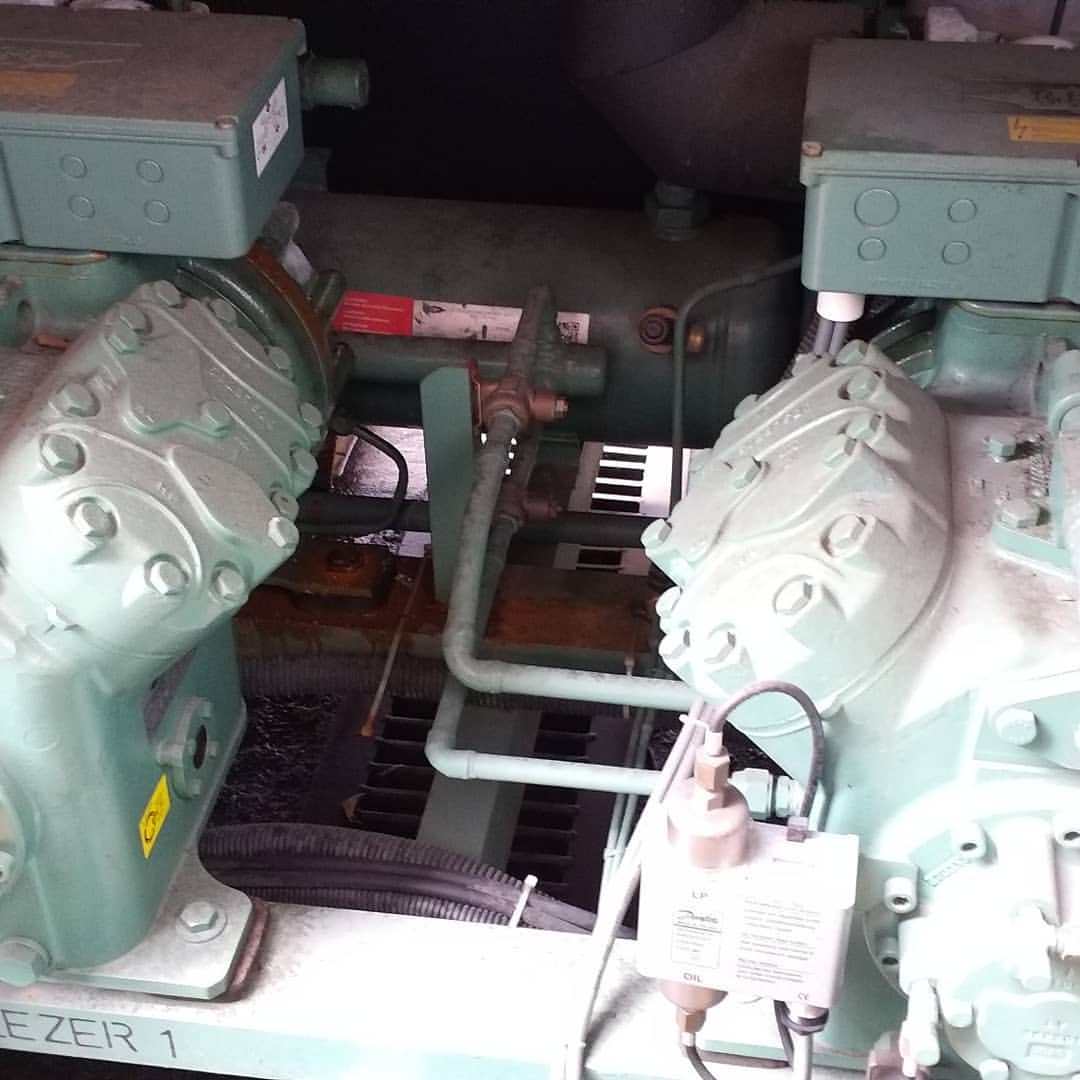
Cold rooms are refrigerated spaces designed to maintain consistent low temperatures for perishable items. They are widely used in Kenya’s food distribution centers, hospitals, floriculture farms, and more. These systems often include a compressor, condenser, evaporator, and control systems that regulate temperature and humidity levels.
✅ Why Cold Room Maintenance Matters
Routine maintenance of cold rooms helps:
-
Prevent breakdowns that can lead to product loss.
-
Extend equipment lifespan, reducing capital expenditure.
-
Improve energy efficiency, lowering electricity bills.
-
Ensure food safety and compliance with health regulations.
In Kenya, where temperature control is critical for produce and meat preservation, this is not just good practice—it’s a business necessity.
🛠️ Key Components in a Cold Room
Understanding the core parts of your system helps identify issues before they escalate.
🔄 Evaporator Coil
Removes heat from the cold room air. Dust and frost buildup can reduce efficiency.
🔧 Condenser Unit
Releases absorbed heat to the outside. If airflow is blocked or the fan fails, temperatures rise inside the room.
💨 Refrigerant and Piping System
Leaks or clogs in the piping reduce cooling capacity and can damage the compressor.
⚠️ Common Cold Room Problems in Kenya
Kenya’s climate and infrastructure can exacerbate cold storage issues. Here are the most common ones:
🔌 Electrical Failures
Frequent power outages or voltage fluctuations may damage compressors and control systems.
🧪 Refrigerant Leaks
These are not only costly but environmentally harmful. They can also cause system inefficiency.
🌡️ Temperature Inconsistencies
Often caused by malfunctioning thermostats, poor insulation, or faulty fans.
🌍 How Climate in Kenya Affects Cold Storage Systems
Kenya’s varying climate—from the hot coast to the cool highlands—affects cold room performance. High humidity levels can cause icing on evaporators, while dust in urban and semi-arid areas clogs condenser coils. These factors necessitate location-specific maintenance strategies.
📋 Step-by-Step Cold Room Maintenance Checklist
-
Inspect and clean evaporator coils monthly.
-
Check refrigerant levels quarterly.
-
Calibrate thermostat every 6 months.
-
Replace air and moisture filters.
-
Inspect door seals for wear and tear.
-
Test backup power systems.
Keeping records of these checks can help identify trends or recurring issues.
🔍 Signs You Need Chiller or Cold Room Repair
-
Unusual noises or vibrations
-
Increased energy bills
-
Ice buildup on coils
-
Leaking fluids
-
Products spoiling before expiration
-
Frequent temperature alarms
Don’t ignore these signs—they indicate your system is in distress.
🧼 DIY Cold Room Maintenance Tips
While some maintenance should be left to professionals, you can:
-
Clean condenser fans and filters monthly.
-
Inspect door gaskets for cracks or gaps.
-
Avoid overloading the cold room.
-
Keep a maintenance log.
Just remember: DIY doesn’t replace professional servicing—it complements it.
👨🔧 Professional Cold Room Repair Services in Kenya
Hiring a qualified technician is critical. Here’s what to expect:
🔍 What to Expect from a Technician
-
Diagnosis using gauges and sensors
-
Leak detection and repair
-
Electrical system inspection
-
Thermostat and defrost system calibration
-
Detailed service report
🧑🔧 How to Choose the Right Service Provider
-
Look for licensed technicians
-
Ask for referrals or case studies
-
Ensure 24/7 emergency support is available
-
Check if they use genuine replacement parts
💡 Benefits of Regular Maintenance
-
Reduced downtime
-
Better cooling performance
-
Lower repair costs
-
Increased lifespan of equipment
-
Energy savings
Over time, maintenance pays for itself through reduced emergency repair costs and improved product safety.
💰 Average Costs of Repair and Maintenance Services in Kenya
| Service Type | Average Cost (KES) |
|---|---|
| Routine Maintenance Visit | 5,000 – 10,000 |
| Compressor Replacement | 25,000 – 60,000 |
| Refrigerant Leak Repair | 10,000 – 25,000 |
| Thermostat Replacement | 5,000 – 15,000 |
| Full System Overhaul | 100,000 – 300,000 |
Costs may vary depending on region and availability of parts.
🛒 Importance of Using Genuine Spare Parts
Counterfeit or low-quality parts can:
-
Void manufacturer warranties
-
Cause repeated failures
-
Damage other system components
Always verify suppliers. For genuine cold room spare parts in Kenya, consider Daikin Kenya or local experts like The Cold Room Kahuna.
🔄 Preventive Maintenance vs Reactive Repairs
| Criteria | Preventive Maintenance | Reactive Repairs |
|---|---|---|
| Cost | Lower over time | Higher per incident |
| Downtime | Planned | Unexpected |
| Equipment Lifespan | Extended | Shortened |
| Productivity Impact | Minimal | Severe |
Proactive care is always cheaper and safer than crisis control.
🔌 Energy Efficiency and Cost Savings
Regular maintenance:
-
Reduces energy consumption by up to 30%
-
Lowers greenhouse gas emissions
-
Improves compressor and fan motor life
This is especially critical in Kenya where electricity costs are high and outages are frequent.
📊 Case Studies from Kenyan Businesses
1. Nairobi Butchery Chain
Implemented monthly cold room maintenance, reducing product spoilage by 60% and saving KES 100,000/month.
2. Flower Exporter in Naivasha
Replaced faulty thermostats and improved insulation, extending shelf life of roses by 4 days—boosting export revenue by 15%.
❓ Frequently Asked Questions (FAQs)
1. How often should I service my cold room in Kenya?
At least every 3 months for routine checks and once a year for a full-service visit.
2. What causes cold rooms to stop cooling?
Common reasons include refrigerant leaks, dirty coils, faulty thermostats, or compressor issues.
3. Are cold room repairs expensive?
Minor repairs are affordable, but neglect can lead to high costs like compressor replacement or full system overhaul.
4. Can I do cold room maintenance myself?
You can handle basic cleaning and inspection tasks, but leave refrigerant and electrical work to professionals.
5. Do I need backup power for my cold room?
Yes. Power outages are common in Kenya, and without backup, you risk product loss.
6. Where can I find trusted cold room repair technicians in Kenya?
Look for experienced providers like The Cold Room Kahuna or other licensed HVAC-R professionals with solid references.
✅ Conclusion and Final Thoughts
Cold room and chiller maintenance is not optional—it’s a strategic investment. In Kenya’s challenging climate and energy landscape, staying proactive helps prevent losses, ensures compliance, and enhances efficiency. Whether you’re storing fish in Kisumu or vaccines in Nairobi, a well-maintained cold storage system keeps your operations running smoothly.