

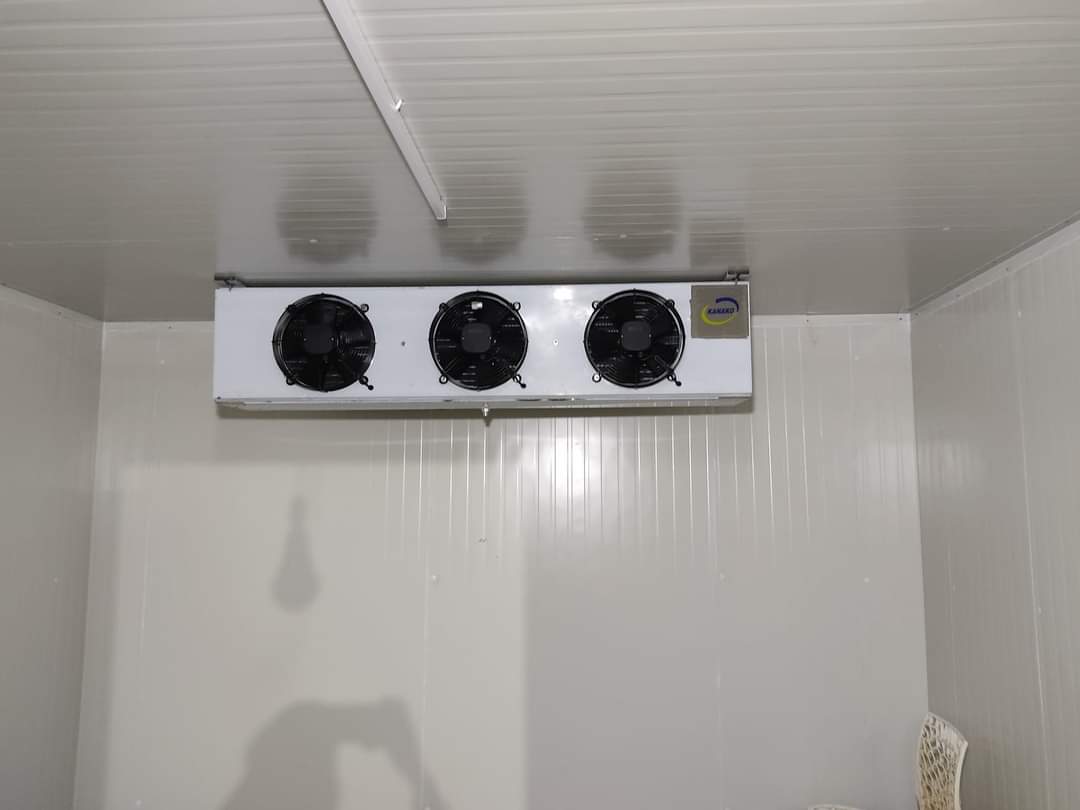
In the realm of temperature-sensitive storage, the cold room stands as a vital asset for countless industries, including food storage, pharmaceuticals, and laboratories. Ensuring the seamless operation of these facilities requires meticulous maintenance and attention to detail. This comprehensive guide unveils the intricacies of cold room maintenance, providing a step-by-step checklist to uphold efficiency and reliability.
Cold Room Maintenance Checklist
Understanding Cold Room Basics
A cold room serves as a controlled environment to preserve perishable items at specific temperatures. From fresh produce to delicate vaccines, these rooms play a pivotal role in maintaining product integrity. Understanding the fundamental principles behind cold room operation is crucial for effective maintenance.
Cold rooms utilize advanced refrigeration systems coupled with insulation to regulate internal temperatures. These systems must operate flawlessly to prevent temperature fluctuations that can compromise stored items.
Importance of Regular Inspections
Routine inspections are the cornerstone of effective maintenance protocols. Regularly scheduled checks allow technicians to identify potential issues before they escalate, minimizing downtime and costly repairs. These inspections encompass various components, including:
- Temperature Monitoring: Regularly monitor temperature levels to ensure they remain within the desired range.
- Seal Integrity: Inspect door seals for any signs of wear or damage, as compromised seals can lead to temperature leakage.
- Condenser and Evaporator Coils: Clean condenser and evaporator coils to optimize cooling efficiency and prevent ice buildup.
- Electrical Components: Check electrical connections and components for signs of wear or malfunction.
Cleaning and Sanitization Practices
Maintaining cleanliness within the cold room is paramount to prevent contamination and uphold product quality. Implementing robust cleaning and sanitization practices helps mitigate the risk of bacterial growth and cross-contamination.
- Regular Defrosting: Schedule regular defrosting sessions to remove ice buildup and ensure optimal airflow.
- Surface Disinfection: Use approved sanitizers to clean surfaces and shelving units regularly.
- Mold Prevention: Implement measures to prevent mold growth, such as proper ventilation and humidity control.
Equipment Calibration
Accurate temperature control is non-negotiable in cold room maintenance. Equipment calibration ensures that temperature settings remain precise, safeguarding stored items from spoilage or damage.
- Thermostat Calibration: Calibrate thermostats regularly to maintain accurate temperature readings.
- Data Logger Checks: Verify the accuracy of data loggers to ensure they provide reliable temperature records.
- Alarm Testing: Test temperature alarm systems to guarantee prompt alerts in case of temperature deviations.
Preventative Maintenance Schedule
Developing a comprehensive preventative maintenance schedule is essential for prolonging the lifespan of cold room equipment and preventing unexpected breakdowns.
- Regular Filter Replacement: Replace air filters at recommended intervals to maintain air quality and prevent dust buildup.
- Condenser Coil Cleaning: Schedule periodic cleaning of condenser coils to prevent dust accumulation and optimize cooling efficiency.
- Fan Inspection: Inspect fans and motors for signs of wear or malfunction, and lubricate moving parts as needed.
Emergency Preparedness
Despite meticulous maintenance efforts, unforeseen circumstances can still arise. Establishing an emergency preparedness plan ensures swift and effective responses to any disruptions in cold room operations.
- Backup Power Systems: Install backup generators or battery backups to maintain power in the event of an outage.
- Emergency Contact List: Maintain an updated list of emergency contacts, including technicians and suppliers, for quick assistance during crises.
Employee Training and Awareness
A well-trained staff plays a crucial role in maintaining cold room integrity and efficiency. Providing comprehensive training ensures that employees understand proper operating procedures and can identify potential issues.
- Temperature Monitoring Training: Educate staff on the importance of temperature monitoring and how to respond to temperature deviations.
- Emergency Procedures: Conduct regular drills to familiarize employees with emergency protocols, such as power outages or equipment malfunctions.
Environmental Considerations
Environmental factors can impact cold room performance, making it essential to address potential challenges such as humidity control and ventilation.
- Humidity Regulation: Implement measures to control humidity levels within the cold room, as excessive moisture can lead to condensation and mold growth.
- Ventilation Optimization: Ensure proper ventilation to maintain airflow and prevent stagnant air pockets, which can compromise temperature uniformity.
Documentation and Record Keeping
Maintaining detailed records of maintenance activities and temperature logs provides valuable insights into cold room performance and compliance with regulatory requirements.
- Maintenance Logs: Keep comprehensive records of all maintenance activities, including repairs, inspections, and cleaning schedules.
- Temperature Logs: Maintain accurate temperature logs to demonstrate compliance with industry regulations and quality standards.
Supplier and Service Provider Relationships
Establishing strong relationships with reliable suppliers and service providers is essential for obtaining quality equipment and timely support services.
- Supplier Selection: Choose reputable suppliers known for delivering high-quality cold room equipment and replacement parts.
- Service Contracts: Consider entering into service contracts with experienced technicians to ensure prompt maintenance and repairs.
Upgrades and Modernization
As technology advances, upgrading cold room equipment can enhance efficiency and reduce energy consumption, ultimately resulting in cost savings and improved performance.
- Energy-Efficient Upgrades: Invest in energy-efficient upgrades, such as LED lighting or variable-speed compressors, to reduce operating costs.
- Temperature Monitoring Systems: Implement advanced temperature monitoring systems with remote access capabilities for real-time monitoring and alerts.
Compliance with Regulatory Standards
Adhering to regulatory standards and guidelines is imperative for ensuring product safety and compliance with industry regulations.
- FDA Regulations: Familiarize yourself with FDA regulations governing temperature-controlled storage facilities, particularly for food and pharmaceutical products.
- Health and Safety Standards: Stay updated on health and safety standards to maintain a safe working environment and prevent accidents or contamination.
Continuous Improvement Initiatives
Embracing a culture of continuous improvement fosters innovation and ensures that cold room operations remain efficient and sustainable in the long term.
- Feedback Mechanisms: Encourage feedback from staff regarding cold room operations and maintenance procedures to identify areas for improvement.
- Performance Metrics: Establish key performance indicators (KPIs) to track cold room performance and identify opportunities for optimization.
FAQs
- How often should I conduct maintenance on my cold room? Regular maintenance should be conducted at least twice a year, with additional checks scheduled quarterly for critical components.
- What should I do if I notice a temperature deviation in my cold room? If you observe a temperature deviation, immediately investigate the cause and take corrective action to prevent product spoilage. Contact a qualified technician if necessary.
- Can I perform cold room maintenance myself, or should I hire a professional? While some maintenance tasks can be performed by facility staff, complex repairs and calibrations should be handled by trained professionals to ensure safety and compliance.
- What are the consequences of neglecting cold room maintenance? Neglecting cold room maintenance can result in temperature fluctuations, product spoilage, and regulatory non-compliance, leading to financial losses and reputational damage.
- How can I optimize energy efficiency in my cold room? To optimize energy efficiency, consider upgrading to energy-efficient equipment, implementing temperature setbacks during off-peak hours, and regularly inspecting insulation and seals for leaks.
- What steps can I take to prevent mold growth in my cold room? To prevent mold growth, maintain proper ventilation, control humidity levels, and promptly address any water leaks or spills to prevent moisture buildup.
Conclusion
A well-maintained cold room is the cornerstone of efficient temperature-controlled storage, ensuring product integrity and regulatory compliance. By following a comprehensive maintenance checklist and staying proactive in addressing issues, businesses can optimize cold room performance and minimize downtime.
