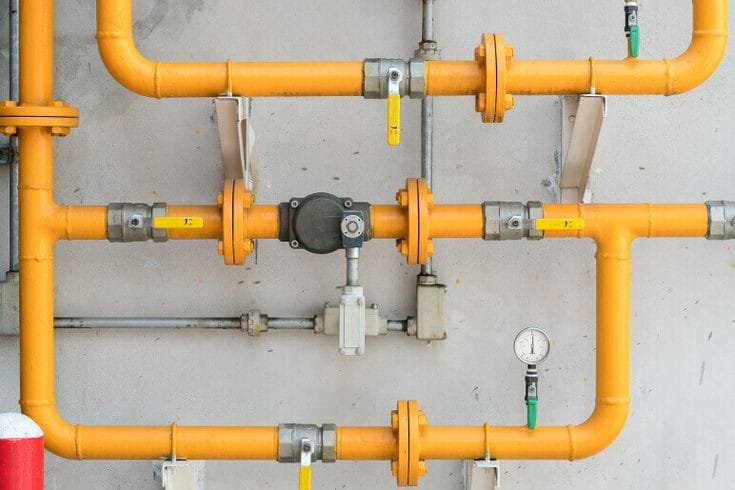
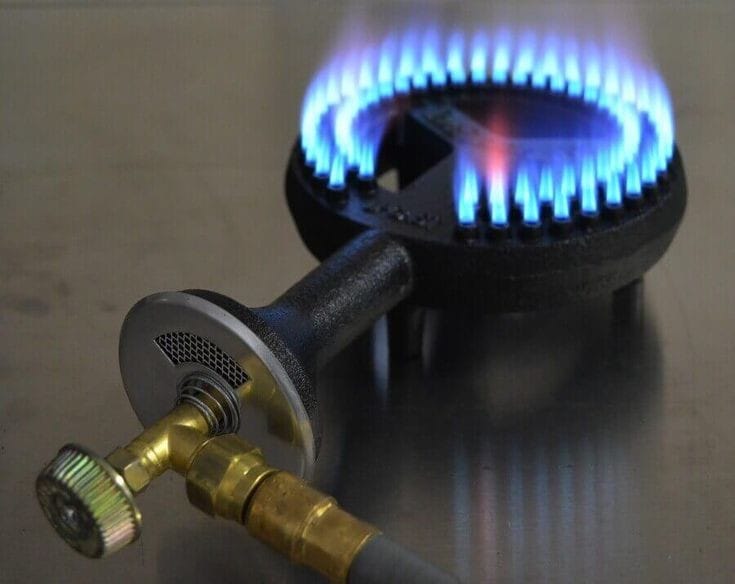
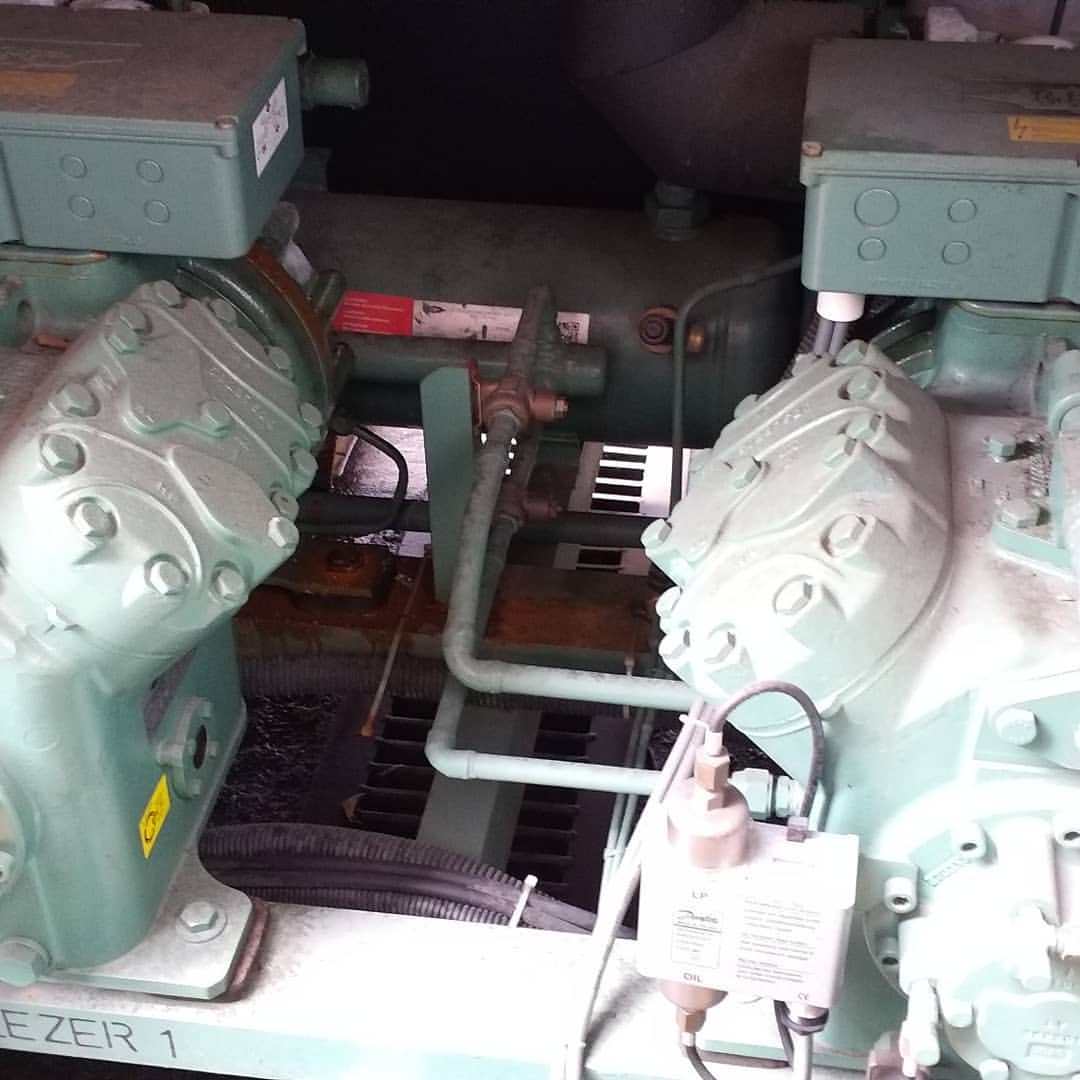
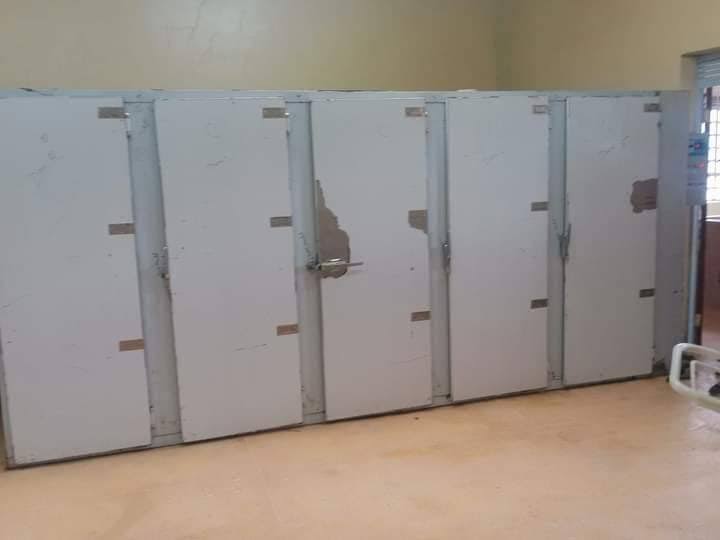
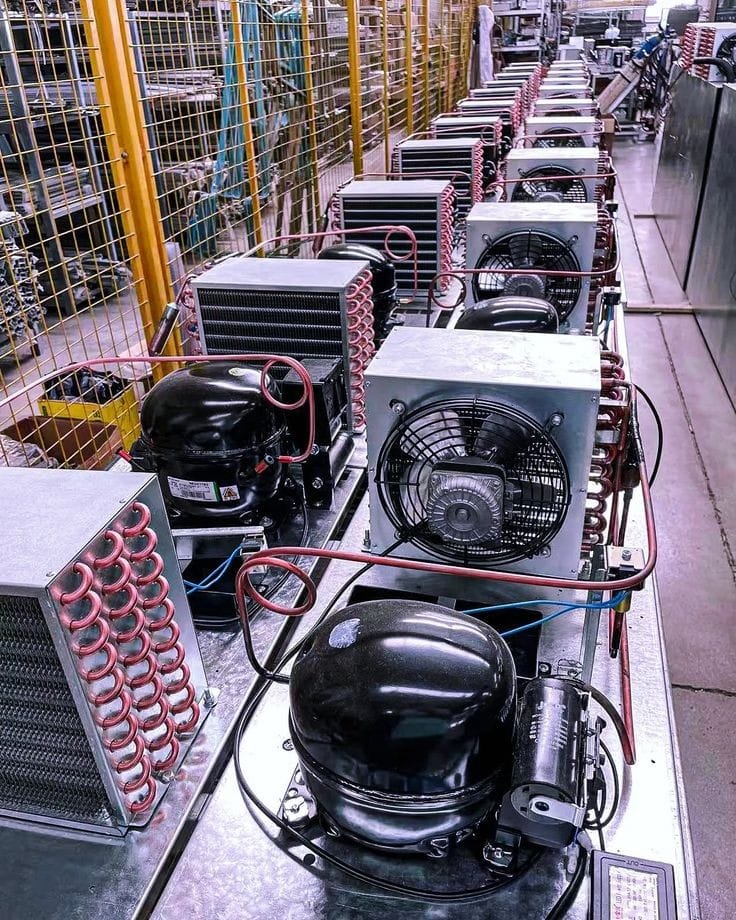
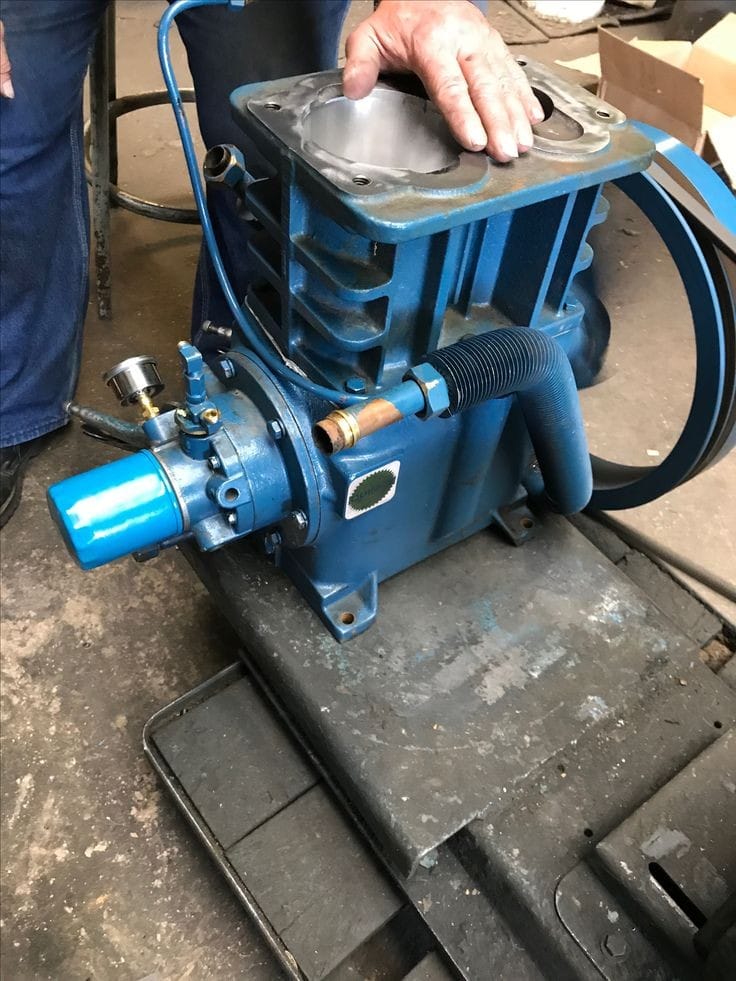
Gas installation services in Kenya by The Cold Room Kahuna encompass a wide range of tasks related to the installation, maintenance, and repair of gas systems in residential, commercial, and industrial settings. Here’s a breakdown of what these services typically involve:

Gas Line Installation: This involves installing gas pipes and fittings to connect appliances such as stoves, water heaters, furnaces, and fireplaces to the main gas supply. Proper installation is crucial to ensure safety and compliance with building codes.

Appliance Installation: Gas appliances require specialized installation to ensure they operate safely and efficiently. This includes connecting the appliance to the gas line, checking for leaks, and ensuring proper ventilation.

Gas Leak Detection and Repair: Gas leaks pose a serious safety hazard and require immediate attention. Gas installation services include the detection of leaks using specialized equipment and repairing them promptly to prevent accidents.

Gas System Inspection and Maintenance: Regular inspection and maintenance of gas systems are essential to ensure their safe and efficient operation. This includes checking for leaks, inspecting gas lines and fittings for corrosion or damage, and cleaning or replacing filters and vents.

Conversion Services: Gas installation professionals may also offer conversion services for switching between different types of gas (e.g., natural gas to propane) or converting appliances to run on gas.

Emergency Services: In the event of a gas-related emergency, such as a leak or malfunctioning appliance, gas installation services provide emergency response to address the issue quickly and prevent any potential hazards.

Compliance and Certification: Gas installation services ensure that all installations and repairs comply with relevant safety regulations and building codes. They may also provide certification or documentation to verify the safety and compliance of the gas system.

Overall, gas installation services play a crucial role in ensuring the safe and efficient operation of gas systems in homes, businesses, and industrial facilities. It’s important to hire qualified and experienced professionals for any gas-related work to avoid safety risks and ensure compliance with regulations.

Introduction:
In the realm of cold storage, maintaining the perfect temperature is not just about keeping things cool—it’s about preserving freshness, ensuring quality, and ultimately, safeguarding profits. Whether it’s fruits, vegetables, dairy, or meats, each perishable item has its own temperature needs to maintain peak freshness. Let’s delve into the world of cold room temperature management and explore how businesses can optimize conditions to keep their products crisp, flavorful, and market-ready.

Understanding the Significance of Temperature Control

The cornerstone of any successful cold storage operation lies in its ability to maintain precise temperature control. Even a slight deviation from the ideal temperature range can spell disaster for perishable goods. From bacterial growth to accelerated spoilage, the consequences of inadequate temperature control can be costly, both in terms of product loss and reputation damage.

Factors Influencing Ideal Temperature Settings

Several factors come into play when determining the ideal temperature for cold rooms. The type of products being stored, external climate conditions, humidity levels, and storage duration are all critical considerations. For example, while fruits and vegetables thrive in slightly different temperature ranges, dairy products and meats require even stricter temperature controls to prevent bacterial growth and maintain quality.

Optimal Temperature Range for Various Products

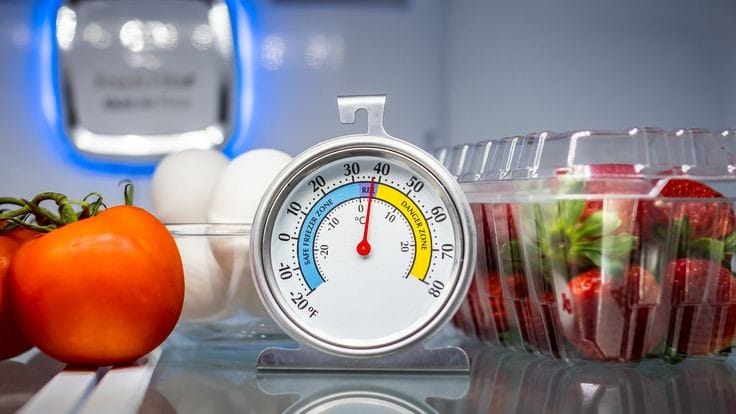
Fruits and Vegetables: Typically, fruits and vegetables fare best when stored between 32°F to 55°F (0°C to 13°C). However, certain varieties may have specific temperature preferences. For instance, leafy greens prefer slightly cooler temperatures, while tropical fruits like bananas and mangoes require slightly warmer conditions.

Dairy Products: Dairy items such as milk, cheese, and yogurt should be stored at temperatures ranging from 34°F to 40°F (1°C to 4°C) to ensure freshness and prevent spoilage.

Meats: Fresh meats, including beef, poultry, and pork, require temperatures below 40°F (4°C) to inhibit bacterial growth and maintain quality. Freezing meats below 0°F (-18°C) is essential for long-term storage.

Importance of Consistent Monitoring and Regulation

Maintaining the ideal temperature in cold rooms isn’t a one-time affair—it’s an ongoing commitment. Regular monitoring and precise regulation are paramount to prevent fluctuations that could compromise product quality. Investing in temperature monitoring systems equipped with alarms can provide early warnings of any deviations, allowing for prompt corrective action.

Implementing Effective Temperature Management Systems

To streamline temperature management processes and enhance efficiency, businesses can leverage advanced technologies such as automated controls and temperature sensors. These systems not only ensure precise temperature regulation but also offer real-time monitoring capabilities, empowering operators to make informed decisions and mitigate risks effectively.

Addressing Common Challenges in Temperature Control

Despite advancements in technology, cold room operators often encounter common challenges that can affect temperature stability. These challenges include:

Insufficient Insulation: Poor insulation can lead to temperature fluctuations, especially in regions with extreme climates. Investing in high-quality insulation materials can help maintain stable temperatures and reduce energy consumption.

Equipment Malfunctions: Mechanical failures or sensor inaccuracies in refrigeration equipment can disrupt temperature control. Regular maintenance and calibration are essential to ensure equipment reliability and accuracy.

Human Error: Improper loading of goods, leaving doors open for extended periods, or manually adjusting temperature settings without proper authorization can all contribute to temperature instability. Training staff on proper cold room protocols and implementing access controls can help minimize human error.

Power Outages: Power outages are a significant concern for cold room operators, as they can quickly lead to temperature fluctuations and product loss. Backup power solutions, such as generators or battery backups, are crucial for maintaining temperature continuity during outages.

By proactively addressing these challenges and implementing effective mitigation strategies, cold room operators can minimize temperature fluctuations and ensure consistent product quality.

Ensuring Food Safety Compliance and Quality Standards
In the food industry, compliance with food safety regulations and quality standards is non-negotiable. Cold room operators must adhere to stringent guidelines to safeguard consumer health and uphold industry reputation. Key considerations include:

HACCP (Hazard Analysis Critical Control Points): Implementing HACCP principles involves identifying and controlling potential hazards at critical points in the food production process, including cold storage. Regular inspections and documentation are essential to ensure compliance with HACCP requirements.

Ministry of Health Regulations: The Kenya Ministry of health  sets regulations governing food safety, including temperature control requirements for cold storage facilities. Operators must familiarize themselves with FDA guidelines and ensure full compliance to avoid penalties or recalls.

Quality Assurance Protocols: Establishing robust quality assurance protocols, such as routine temperature monitoring, product testing, and traceability measures, can help detect and prevent potential issues before they escalate.

By prioritizing food safety compliance and quality assurance, cold room operators can instill confidence in consumers and regulatory authorities alike, positioning themselves as reliable suppliers of fresh, high-quality products.

Sustainable Practices in Cold Room Operations
In an era of increasing environmental awareness, sustainability has become a top priority for businesses across industries, including cold storage. By adopting eco-friendly practices, cold room operators can reduce their carbon footprint and contribute to a healthier planet. Key strategies include:

Energy-Efficient Refrigeration Systems: Upgrading to energy-efficient refrigeration systems can significantly reduce energy consumption and operating costs. Technologies such as variable-speed compressors, thermal insulation, and LED lighting offer substantial energy savings without compromising performance.

Renewable Energy Sources: Harnessing renewable energy sources such as solar or wind power can further reduce reliance on fossil fuels and decrease greenhouse gas emissions. Installing solar panels or wind turbines on-site can provide a sustainable energy solution for cold storage facilities.

Waste Reduction and Recycling: Implementing waste reduction initiatives, such as composting organic waste and recycling packaging materials, can minimize environmental impact and promote a circular economy. Partnering with suppliers that prioritize sustainable packaging materials can also help reduce waste generation.

By embracing sustainable practices, cold room operators can not only reduce their environmental footprint but also attract environmentally-conscious consumers and enhance brand reputation.

Maximizing Shelf Life and Minimizing Food Waste
One of the primary objectives of effective temperature control in cold rooms is to maximize the shelf life of perishable goods and minimize food waste. Several strategies can help achieve this goal:

Optimal Temperature Settings: Maintaining consistent temperatures within the ideal range for each product type is critical to prolonging shelf life. Regular monitoring and adjustment of temperature settings based on product requirements can prevent premature spoilage and extend freshness.

Proper Storage Practices: Implementing proper storage practices, such as FIFO (First In, First Out) rotation and segregation of incompatible products, can minimize cross-contamination and ensure that older inventory is used before newer stock.

Packaging Innovations: Investing in advanced packaging technologies, such as modified atmosphere packaging (MAP) or vacuum sealing, can help preserve product freshness and extend shelf life. These packaging methods create a protective barrier against oxygen and moisture, slowing down the rate of spoilage.

Inventory Management Systems: Leveraging inventory management systems equipped with expiration date tracking and automated reorder functionalities can help optimize inventory levels and minimize excess stock, reducing the risk of food waste due to overstocking.

By implementing these strategies, cold room operators can not only reduce food waste but also improve profitability and sustainability across the supply chain.

Future Trends and Innovations in Cold Storage Technology
As technology continues to evolve, the cold storage industry is witnessing a wave of innovations aimed at enhancing efficiency, sustainability, and product quality. Some notable trends and advancements include:

IoT Integration: The Internet of Things (IoT) is revolutionizing cold storage management by enabling real-time monitoring and remote control of temperature and humidity levels. IoT sensors embedded in cold rooms and refrigeration equipment provide actionable insights, allowing operators to proactively identify issues and optimize performance.

Predictive Analytics: By leveraging big data analytics and machine learning algorithms, cold storage operators can predict equipment failures, optimize energy usage, and anticipate demand fluctuations. Predictive maintenance algorithms analyze historical data to identify patterns and anomalies, enabling proactive maintenance to prevent costly downtime.

Cold Chain Transparency: Consumers are increasingly demanding transparency and traceability throughout the cold chain, from farm to fork. Blockchain technology offers a decentralized and immutable ledger system that allows stakeholders to track the entire journey of a product, ensuring authenticity and quality assurance.

Energy-Efficient Design: The push for sustainability has prompted the development of energy-efficient cold storage facilities designed to minimize environmental impact. Innovations such as passive cooling systems, green roofs, and solar-powered refrigeration are gaining traction as businesses strive to reduce their carbon footprint.

By embracing these future trends and innovations, cold storage operators can stay ahead of the curve, enhance operational efficiency, and meet evolving consumer demands.

FAQs
How often should cold room temperatures be monitored?

Cold room temperatures should be monitored continuously, with automated systems providing real-time alerts for any deviations outside the preset range. Additionally, manual temperature checks should be conducted regularly as part of routine maintenance protocols.

Can cold room temperatures be adjusted based on seasonal variations?

Yes, cold room temperatures may need to be adjusted periodically to compensate for seasonal changes in ambient temperature and humidity levels. It’s essential to recalibrate temperature settings to ensure optimal conditions for perishable goods year-round.

What are the consequences of inadequate temperature control in cold rooms?

Inadequate temperature control can lead to several adverse consequences, including accelerated spoilage, bacterial growth, loss of product quality, and potential health risks to consumers. It can also result in regulatory non-compliance and financial losses for businesses.

How can cold room operators minimize energy consumption without compromising temperature control?

Cold room operators can adopt several energy-efficient practices, such as investing in energy-efficient refrigeration systems, optimizing insulation, implementing LED lighting, and leveraging renewable energy sources. Additionally, regular maintenance and calibration of equipment can ensure optimal performance and energy efficiency.

What role does humidity play in cold room temperature management?

Humidity levels are critical in cold room temperature management, as excessive humidity can lead to condensation and moisture buildup, increasing the risk of mold growth and product spoilage. Maintaining proper humidity levels through ventilation and dehumidification is essential to preserving product quality.

Are there any regulations governing cold room temperature control?

Yes, various regulatory agencies, such as the FDA and USDA, have established guidelines and regulations governing cold room temperature control in the food industry. Operators must adhere to these regulations to ensure food safety and compliance with industry standards.

Conclusion
Achieving the ideal temperature for cold rooms is paramount to preserving the freshness, quality, and safety of perishable goods. By understanding the factors influencing temperature control, implementing effective management strategies, and embracing technological advancements, cold room operators can optimize conditions, minimize waste, and meet the demands of today’s discerning consumers. With a commitment to excellence in temperature management and adherence to food safety standards, businesses can thrive in the competitive landscape of the cold storage industry.


In the realm of temperature-sensitive storage, the cold room stands as a vital asset for countless industries, including food storage, pharmaceuticals, and laboratories. Ensuring the seamless operation of these facilities requires meticulous maintenance and attention to detail. This comprehensive guide unveils the intricacies of cold room maintenance, providing a step-by-step checklist to uphold efficiency and reliability.

Cold Room Maintenance Checklist

Understanding Cold Room Basics

A cold room serves as a controlled environment to preserve perishable items at specific temperatures. From fresh produce to delicate vaccines, these rooms play a pivotal role in maintaining product integrity. Understanding the fundamental principles behind cold room operation is crucial for effective maintenance.

Cold rooms utilize advanced refrigeration systems coupled with insulation to regulate internal temperatures. These systems must operate flawlessly to prevent temperature fluctuations that can compromise stored items.

Importance of Regular Inspections

Routine inspections are the cornerstone of effective maintenance protocols. Regularly scheduled checks allow technicians to identify potential issues before they escalate, minimizing downtime and costly repairs. These inspections encompass various components, including:

  • Temperature Monitoring: Regularly monitor temperature levels to ensure they remain within the desired range.
  • Seal Integrity: Inspect door seals for any signs of wear or damage, as compromised seals can lead to temperature leakage.
  • Condenser and Evaporator Coils: Clean condenser and evaporator coils to optimize cooling efficiency and prevent ice buildup.
  • Electrical Components: Check electrical connections and components for signs of wear or malfunction.

Cleaning and Sanitization Practices

Maintaining cleanliness within the cold room is paramount to prevent contamination and uphold product quality. Implementing robust cleaning and sanitization practices helps mitigate the risk of bacterial growth and cross-contamination.

  • Regular Defrosting: Schedule regular defrosting sessions to remove ice buildup and ensure optimal airflow.
  • Surface Disinfection: Use approved sanitizers to clean surfaces and shelving units regularly.
  • Mold Prevention: Implement measures to prevent mold growth, such as proper ventilation and humidity control.

Equipment Calibration

Accurate temperature control is non-negotiable in cold room maintenance. Equipment calibration ensures that temperature settings remain precise, safeguarding stored items from spoilage or damage.

  • Thermostat Calibration: Calibrate thermostats regularly to maintain accurate temperature readings.
  • Data Logger Checks: Verify the accuracy of data loggers to ensure they provide reliable temperature records.
  • Alarm Testing: Test temperature alarm systems to guarantee prompt alerts in case of temperature deviations.

Preventative Maintenance Schedule

Developing a comprehensive preventative maintenance schedule is essential for prolonging the lifespan of cold room equipment and preventing unexpected breakdowns.

  • Regular Filter Replacement: Replace air filters at recommended intervals to maintain air quality and prevent dust buildup.
  • Condenser Coil Cleaning: Schedule periodic cleaning of condenser coils to prevent dust accumulation and optimize cooling efficiency.
  • Fan Inspection: Inspect fans and motors for signs of wear or malfunction, and lubricate moving parts as needed.

Emergency Preparedness

Despite meticulous maintenance efforts, unforeseen circumstances can still arise. Establishing an emergency preparedness plan ensures swift and effective responses to any disruptions in cold room operations.

  • Backup Power Systems: Install backup generators or battery backups to maintain power in the event of an outage.
  • Emergency Contact List: Maintain an updated list of emergency contacts, including technicians and suppliers, for quick assistance during crises.

Employee Training and Awareness

A well-trained staff plays a crucial role in maintaining cold room integrity and efficiency. Providing comprehensive training ensures that employees understand proper operating procedures and can identify potential issues.

  • Temperature Monitoring Training: Educate staff on the importance of temperature monitoring and how to respond to temperature deviations.
  • Emergency Procedures: Conduct regular drills to familiarize employees with emergency protocols, such as power outages or equipment malfunctions.

Environmental Considerations

Environmental factors can impact cold room performance, making it essential to address potential challenges such as humidity control and ventilation.

  • Humidity Regulation: Implement measures to control humidity levels within the cold room, as excessive moisture can lead to condensation and mold growth.
  • Ventilation Optimization: Ensure proper ventilation to maintain airflow and prevent stagnant air pockets, which can compromise temperature uniformity.

Documentation and Record Keeping

Maintaining detailed records of maintenance activities and temperature logs provides valuable insights into cold room performance and compliance with regulatory requirements.

  • Maintenance Logs: Keep comprehensive records of all maintenance activities, including repairs, inspections, and cleaning schedules.
  • Temperature Logs: Maintain accurate temperature logs to demonstrate compliance with industry regulations and quality standards.

Supplier and Service Provider Relationships

Establishing strong relationships with reliable suppliers and service providers is essential for obtaining quality equipment and timely support services.

  • Supplier Selection: Choose reputable suppliers known for delivering high-quality cold room equipment and replacement parts.
  • Service Contracts: Consider entering into service contracts with experienced technicians to ensure prompt maintenance and repairs.

Upgrades and Modernization

As technology advances, upgrading cold room equipment can enhance efficiency and reduce energy consumption, ultimately resulting in cost savings and improved performance.

  • Energy-Efficient Upgrades: Invest in energy-efficient upgrades, such as LED lighting or variable-speed compressors, to reduce operating costs.
  • Temperature Monitoring Systems: Implement advanced temperature monitoring systems with remote access capabilities for real-time monitoring and alerts.

Compliance with Regulatory Standards

Adhering to regulatory standards and guidelines is imperative for ensuring product safety and compliance with industry regulations.

  • FDA Regulations: Familiarize yourself with FDA regulations governing temperature-controlled storage facilities, particularly for food and pharmaceutical products.
  • Health and Safety Standards: Stay updated on health and safety standards to maintain a safe working environment and prevent accidents or contamination.

Continuous Improvement Initiatives

Embracing a culture of continuous improvement fosters innovation and ensures that cold room operations remain efficient and sustainable in the long term.

  • Feedback Mechanisms: Encourage feedback from staff regarding cold room operations and maintenance procedures to identify areas for improvement.
  • Performance Metrics: Establish key performance indicators (KPIs) to track cold room performance and identify opportunities for optimization.

FAQs

  • How often should I conduct maintenance on my cold room? Regular maintenance should be conducted at least twice a year, with additional checks scheduled quarterly for critical components.
  • What should I do if I notice a temperature deviation in my cold room? If you observe a temperature deviation, immediately investigate the cause and take corrective action to prevent product spoilage. Contact a qualified technician if necessary.
  • Can I perform cold room maintenance myself, or should I hire a professional? While some maintenance tasks can be performed by facility staff, complex repairs and calibrations should be handled by trained professionals to ensure safety and compliance.
  • What are the consequences of neglecting cold room maintenance? Neglecting cold room maintenance can result in temperature fluctuations, product spoilage, and regulatory non-compliance, leading to financial losses and reputational damage.
  • How can I optimize energy efficiency in my cold room? To optimize energy efficiency, consider upgrading to energy-efficient equipment, implementing temperature setbacks during off-peak hours, and regularly inspecting insulation and seals for leaks.
  • What steps can I take to prevent mold growth in my cold room? To prevent mold growth, maintain proper ventilation, control humidity levels, and promptly address any water leaks or spills to prevent moisture buildup.

Conclusion

A well-maintained cold room is the cornerstone of efficient temperature-controlled storage, ensuring product integrity and regulatory compliance. By following a comprehensive maintenance checklist and staying proactive in addressing issues, businesses can optimize cold room performance and minimize downtime.

Types of Cold Rooms in Nairobi – Kenya 

Introduction

Cold rooms play a critical role in Nairobi’s thriving business sectors, particularly for food, pharmaceutical, and logistics industries. These temperature-controlled storage solutions are essential for preserving perishable products, ensuring that businesses maintain high quality standards. But what types of cold rooms are available, and how do they differ? In this article, we explore the various types of cold rooms available in Nairobi, Kenya, with a special focus on solutions provided by The Cold Room Kahuna, a trusted name in the industry.

What Are Cold Rooms?

Cold rooms are specially designed storage spaces used to maintain specific temperature conditions to preserve perishable goods. From food items to pharmaceuticals, cold rooms ensure that products remain fresh and effective by keeping them at the right temperature. In a city like Nairobi, where temperatures can vary greatly, cold rooms are an invaluable resource for businesses.

Importance of Cold Rooms in Nairobi, Kenya

Nairobi’s dynamic climate and economic growth make cold rooms particularly significant. The city serves as a hub for food processing, storage, and distribution throughout Kenya and East Africa. Cold rooms help businesses reduce waste, extend product shelf life, and comply with health and safety regulations. This is especially vital for sectors like hospitality, retail, agriculture, and pharmaceuticals.

About The Cold Room Kahuna

The Cold Room Kahuna is a renowned provider of cold room solutions in Nairobi and across Kenya. Known for offering top-notch products and services, we specialize in custom cold room installations tailored to meet the unique needs of each client. Whether it’s for a small café or a large industrial setup, The Cold Room Kahuna ensures optimal temperature control and durability.


Types of Cold Rooms

1. Walk-In Cold Rooms

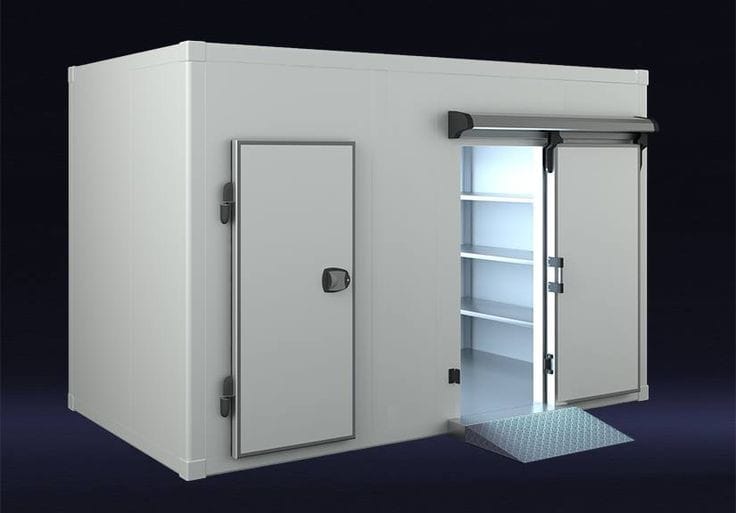
Walk-in cold rooms are versatile storage spaces that offer ample room for storing perishable items. They are commonly used in restaurants, supermarkets, and smaller businesses that need consistent temperature control.

  • Features of Walk-In Cold Rooms: Walk-in cold rooms are typically built with insulated panels to maintain a stable internal temperature. They come with adjustable shelving, making it easy to organize and access stored products.
  • Best Uses for Walk-In Cold Rooms: Ideal for small to medium businesses, these cold rooms are often used for storing fresh produce, dairy products, and beverages.

2. Modular Cold Rooms

Modular cold rooms are designed for flexibility, allowing businesses to scale their storage capacity as their needs change. They are easy to assemble and can be expanded or reconfigured as needed.

  • Advantages of Modular Cold Rooms: The key advantage is their adaptability. They can be customized in terms of size and layout, making them suitable for a wide range of applications.
  • Common Applications for Modular Cold Rooms: Often used in hotels, hospitals, and food distribution centers, modular cold rooms are perfect for businesses with evolving storage needs.

3. Blast Freezers

Blast freezers are designed for rapidly freezing products, making them a crucial component in the food industry. They help preserve the texture and nutritional value of food items by freezing them quickly.

  • Key Features of Blast Freezers: These units can reach extremely low temperatures quickly, often between -30°C and -40°C. They are equipped with powerful compressors and fans for efficient freezing.
  • Why Blast Freezers Are Essential for Food Industry: Blast freezers are ideal for freezing seafood, meat, and baked goods, ensuring they retain their quality and taste over extended periods.

4. Industrial Cold Rooms

Industrial cold rooms are large-scale storage solutions designed for manufacturing plants, processing facilities, and large warehouses. They are built to accommodate a vast amount of products and are tailored for heavy-duty use.

  • How Industrial Cold Rooms Differ from Other Types: They are often much larger and feature robust cooling systems to handle significant volumes. They also come with reinforced floors to withstand the weight of heavy products.
  • Examples of Industries Using Industrial Cold Rooms: These include the agriculture sector, meat processing plants, and large-scale logistics companies.

5. Pharmaceutical Cold Rooms

Pharmaceutical cold rooms are designed to meet the stringent storage requirements of medicines, vaccines, and other medical supplies. They ensure that sensitive products remain within safe temperature ranges.

  • Special Requirements for Pharmaceutical Storage: These cold rooms must adhere to strict regulatory standards and often feature monitoring systems to track temperature and humidity levels continuously.
  • Benefits of Using Pharmaceutical Cold Rooms: Ensuring the efficacy of medicines and vaccines is crucial, and pharmaceutical cold rooms help in maintaining the required storage conditions.

Considerations When Choosing a Cold Room

Size and Space Availability

Choosing the right size depends on the volume of products you need to store and the space available at your facility.

Temperature Range and Control

Different products have specific temperature requirements. It’s important to select a cold room that can maintain the necessary temperature range.

Energy Efficiency

With rising energy costs, choosing an energy-efficient cold room can lead to significant savings over time.

Insulation Quality

Good insulation is key to maintaining consistent temperatures and reducing energy consumption.

Cost and Budget

While upfront costs are important, consider the long-term value, maintenance costs, and energy savings when making a decision.


Services Offered by The Cold Room Kahuna in Nairobi

Cold Room Installation

The Cold Room Kahuna provides comprehensive installation services, ensuring that your cold room is set up for maximum efficiency.

Cold Room Maintenance and Repairs

Routine maintenance and prompt repairs are crucial for ensuring the longevity of your cold room. The Cold Room Kahuna offers these services to keep your system running smoothly.

Custom Cold Room Solutions

Whether you need a small walk-in cooler or a large industrial cold room, The Cold Room Kahuna tailors their solutions to meet your specific needs.


Why Choose The Cold Room Kahuna?

Experience and Expertise in the Kenyan Market

With years of experience, The Cold Room Kahuna understands the unique challenges faced by businesses in Nairobi and provides tailored solutions.

Tailored Solutions for Different Industries

From agriculture to hospitality, The Cold Room Kahuna designs and installs cold rooms that meet industry-specific requirements.

High-Quality Equipment and Materials

They use durable materials and the latest technology, ensuring that your cold room is built to last and perform optimally.


Conclusion

In Nairobi’s competitive market, having the right cold room can make a significant difference in product quality and operational efficiency. Whether you’re looking for a simple walk-in solution or a high-tech industrial cold room, The Cold Room Kahuna offers a wide range of options tailored to your needs. Their expertise and dedication make them the go-to choice for businesses looking to invest in reliable cold storage solutions.


FAQs

1. What is the lifespan of a cold room?
Most cold rooms can last between 10 to 20 years with proper maintenance.

2. Can cold rooms be customized for different industries?
Yes, cold rooms can be tailored to meet the specific requirements of different industries such as food, pharmaceuticals, and logistics.

3. How often should cold rooms be maintained?
Regular maintenance should be carried out at least twice a year to ensure optimal performance.

4. What makes a cold room energy-efficient?
Features like high-quality insulation, energy-efficient compressors, and temperature control systems contribute to energy savings.

5. Is it possible to expand a modular cold room?
Yes, modular cold rooms are designed for easy expansion, making them suitable for growing businesses.

High and Low Pressure Gas Burners Suppliers in Kenya

Introduction

Welcome to The Cold Room Kahuna, where excellence meets efficiency in the realm of high and low-pressure gas burners. In this comprehensive guide, we’ll navigate through the intricacies of finding the best suppliers in Kenya, ensuring your industrial operations are fueled with reliability and innovation.

1. Understanding High and Low-Pressure Gas Burners

Embark on a journey to comprehend the nuances of high and low-pressure gas burners. Uncover the science behind their operations, highlighting their significance in various industrial applications. The Cold Room Kahuna stands as a beacon, providing insights into the cutting-edge technology shaping the industry.

2. Key Features of The Cold Room Kahuna’s Burners

Explore the distinctive features offered by The Cold Room Kahuna. From precision engineering to energy efficiency, these burners are designed to elevate your industrial processes. Uncover the blend of innovation and durability that sets them apart.

3. Advantages of Choosing The Cold Room Kahuna

Delve into the advantages of opting for The Cold Room Kahuna’s high and low-pressure gas burners. Experience enhanced performance, cost-effectiveness, and sustainable solutions that cater to the diverse needs of industries across Kenya.

4. Applications Across Industries

Discover the versatile applications of high and low-pressure gas burners supplied by The Cold Room Kahuna. From manufacturing to food processing, these burners find their utility in diverse sectors, ensuring optimal performance and longevity.

5. Innovative Technologies Driving Efficiency

Unearth the innovative technologies integrated into The Cold Room Kahuna’s burners. Stay at the forefront of industry advancements with features that enhance safety, reduce emissions, and improve overall efficiency in your operations.

6. Customer Testimonials: Real Experiences

Gain insights into the real experiences of customers who have benefited from The Cold Room Kahuna’s burners. Explore success stories and testimonials that speak volumes about the reliability and trustworthiness of this esteemed supplier.

7. Comparing High and Low-Pressure Options

Navigate through a detailed comparison of high and low-pressure gas burners. The Cold Room Kahuna simplifies the decision-making process, helping you choose the ideal option based on your specific industrial requirements.

8. Sustainability Initiatives

Explore The Cold Room Kahuna’s commitment to sustainability. Learn about eco-friendly practices and initiatives embedded in their manufacturing processes, ensuring a greener future for industries in Kenya.

9. FAQs: Everything You Need to Know

High and Low Pressure Gas Burners Suppliers in Kenya – The Cold Room Kahuna.

Q: Are The Cold Room Kahuna’s burners suitable for small-scale businesses?

A: Absolutely! The Cold Room Kahuna offers a range of burners catering to various scales of operation, ensuring a perfect fit for small-scale businesses.

Q: What maintenance is required for these burners?

A: The Cold Room Kahuna provides comprehensive guidelines for maintenance, ensuring longevity and optimal performance. Regular checks and simple procedures suffice for most models.

Q: Can I customize a burner to suit my specific industry needs?

A: Yes, customization is a key strength of The Cold Room Kahuna. Their experts work closely with clients to tailor solutions that align with unique industry requirements.

Q: Are these burners energy-efficient?
A: Absolutely. The Cold Room Kahuna prioritizes energy efficiency, offering burners designed to minimize energy consumption without compromising performance.

Q: How does The Cold Room Kahuna ensure product reliability?
A: Rigorous quality control measures and adherence to industry standards are the cornerstones of The Cold Room Kahuna’s commitment to product reliability.

Q: Is technical support available for installation and troubleshooting?
A: Yes, The Cold Room Kahuna provides comprehensive technical support, ensuring seamless installation and prompt troubleshooting assistance.

10. Conclusion:

Elevate Your Industrial Operations with The Cold Room Kahuna
In conclusion, The Cold Room Kahuna emerges as the go-to supplier for high and low-pressure gas burners in Kenya. Elevate your industrial operations with cutting-edge technology, reliability, and a commitment to sustainability. Trust in The Cold Room Kahuna for a future where efficiency meets excellence.

Chiller / Cold Room Repair and Maintenance Services in Kenya – Ultimate Guide with 15+ Key Insights

🧊 Chiller / Cold Room Repair and Maintenance Services in Kenya

In Kenya’s rapidly expanding cold chain sector, keeping your chiller and cold room systems running efficiently is more important than ever. Whether you’re in the food industry, pharmaceuticals, agriculture, or logistics, proper maintenance can mean the difference between profit and loss. This guide offers comprehensive, practical, and up-to-date insights on repair and maintenance services tailored to Kenya’s environment and market dynamics.


🧰 Introduction to Cold Room Systems

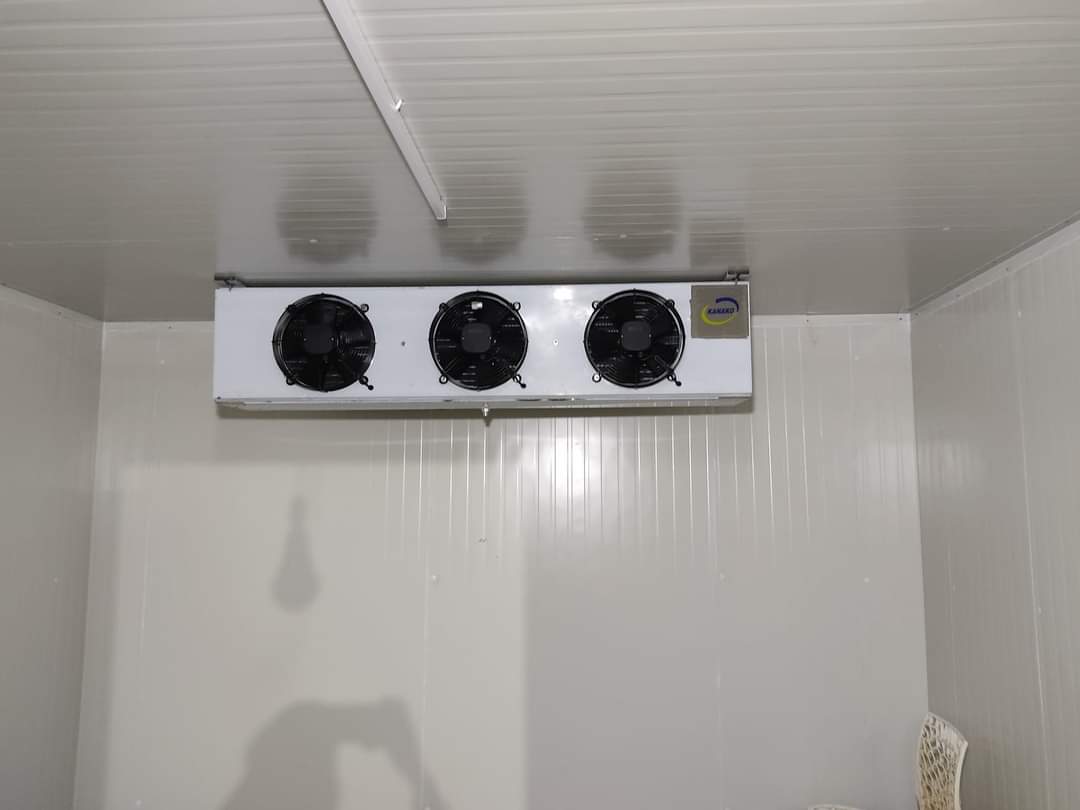
Cold rooms are refrigerated spaces designed to maintain consistent low temperatures for perishable items. They are widely used in Kenya’s food distribution centers, hospitals, floriculture farms, and more. These systems often include a compressor, condenser, evaporator, and control systems that regulate temperature and humidity levels.


✅ Why Cold Room Maintenance Matters

Routine maintenance of cold rooms helps:

  • Prevent breakdowns that can lead to product loss.

  • Extend equipment lifespan, reducing capital expenditure.

  • Improve energy efficiency, lowering electricity bills.

  • Ensure food safety and compliance with health regulations.

In Kenya, where temperature control is critical for produce and meat preservation, this is not just good practice—it’s a business necessity.


🛠️ Key Components in a Cold Room

Understanding the core parts of your system helps identify issues before they escalate.

🔄 Evaporator Coil

Removes heat from the cold room air. Dust and frost buildup can reduce efficiency.

🔧 Condenser Unit

Releases absorbed heat to the outside. If airflow is blocked or the fan fails, temperatures rise inside the room.

💨 Refrigerant and Piping System

Leaks or clogs in the piping reduce cooling capacity and can damage the compressor.


⚠️ Common Cold Room Problems in Kenya

Kenya’s climate and infrastructure can exacerbate cold storage issues. Here are the most common ones:

🔌 Electrical Failures

Frequent power outages or voltage fluctuations may damage compressors and control systems.

🧪 Refrigerant Leaks

These are not only costly but environmentally harmful. They can also cause system inefficiency.

🌡️ Temperature Inconsistencies

Often caused by malfunctioning thermostats, poor insulation, or faulty fans.


🌍 How Climate in Kenya Affects Cold Storage Systems

Kenya’s varying climate—from the hot coast to the cool highlands—affects cold room performance. High humidity levels can cause icing on evaporators, while dust in urban and semi-arid areas clogs condenser coils. These factors necessitate location-specific maintenance strategies.


📋 Step-by-Step Cold Room Maintenance Checklist

  1. Inspect and clean evaporator coils monthly.

  2. Check refrigerant levels quarterly.

  3. Calibrate thermostat every 6 months.

  4. Replace air and moisture filters.

  5. Inspect door seals for wear and tear.

  6. Test backup power systems.

Keeping records of these checks can help identify trends or recurring issues.


🔍 Signs You Need Chiller or Cold Room Repair

  • Unusual noises or vibrations

  • Increased energy bills

  • Ice buildup on coils

  • Leaking fluids

  • Products spoiling before expiration

  • Frequent temperature alarms

Don’t ignore these signs—they indicate your system is in distress.


🧼 DIY Cold Room Maintenance Tips

While some maintenance should be left to professionals, you can:

  • Clean condenser fans and filters monthly.

  • Inspect door gaskets for cracks or gaps.

  • Avoid overloading the cold room.

  • Keep a maintenance log.

Just remember: DIY doesn’t replace professional servicing—it complements it.


👨‍🔧 Professional Cold Room Repair Services in Kenya

Hiring a qualified technician is critical. Here’s what to expect:

🔍 What to Expect from a Technician

  • Diagnosis using gauges and sensors

  • Leak detection and repair

  • Electrical system inspection

  • Thermostat and defrost system calibration

  • Detailed service report

🧑‍🔧 How to Choose the Right Service Provider

  • Look for licensed technicians

  • Ask for referrals or case studies

  • Ensure 24/7 emergency support is available

  • Check if they use genuine replacement parts


💡 Benefits of Regular Maintenance

  • Reduced downtime

  • Better cooling performance

  • Lower repair costs

  • Increased lifespan of equipment

  • Energy savings

Over time, maintenance pays for itself through reduced emergency repair costs and improved product safety.


💰 Average Costs of Repair and Maintenance Services in Kenya

Service Type Average Cost (KES)
Routine Maintenance Visit 5,000 – 10,000
Compressor Replacement 25,000 – 60,000
Refrigerant Leak Repair 10,000 – 25,000
Thermostat Replacement 5,000 – 15,000
Full System Overhaul 100,000 – 300,000

Costs may vary depending on region and availability of parts.


🛒 Importance of Using Genuine Spare Parts

Counterfeit or low-quality parts can:

  • Void manufacturer warranties

  • Cause repeated failures

  • Damage other system components

Always verify suppliers. For genuine cold room spare parts in Kenya, consider Daikin Kenya or local experts like The Cold Room Kahuna.


🔄 Preventive Maintenance vs Reactive Repairs

Criteria Preventive Maintenance Reactive Repairs
Cost Lower over time Higher per incident
Downtime Planned Unexpected
Equipment Lifespan Extended Shortened
Productivity Impact Minimal Severe

Proactive care is always cheaper and safer than crisis control.


🔌 Energy Efficiency and Cost Savings

Regular maintenance:

  • Reduces energy consumption by up to 30%

  • Lowers greenhouse gas emissions

  • Improves compressor and fan motor life

This is especially critical in Kenya where electricity costs are high and outages are frequent.


📊 Case Studies from Kenyan Businesses

1. Nairobi Butchery Chain

Implemented monthly cold room maintenance, reducing product spoilage by 60% and saving KES 100,000/month.

2. Flower Exporter in Naivasha

Replaced faulty thermostats and improved insulation, extending shelf life of roses by 4 days—boosting export revenue by 15%.


❓ Frequently Asked Questions (FAQs)

1. How often should I service my cold room in Kenya?

At least every 3 months for routine checks and once a year for a full-service visit.

2. What causes cold rooms to stop cooling?

Common reasons include refrigerant leaks, dirty coils, faulty thermostats, or compressor issues.

3. Are cold room repairs expensive?

Minor repairs are affordable, but neglect can lead to high costs like compressor replacement or full system overhaul.

4. Can I do cold room maintenance myself?

You can handle basic cleaning and inspection tasks, but leave refrigerant and electrical work to professionals.

5. Do I need backup power for my cold room?

Yes. Power outages are common in Kenya, and without backup, you risk product loss.

6. Where can I find trusted cold room repair technicians in Kenya?

Look for experienced providers like The Cold Room Kahuna or other licensed HVAC-R professionals with solid references.


✅ Conclusion and Final Thoughts

Cold room and chiller maintenance is not optional—it’s a strategic investment. In Kenya’s challenging climate and energy landscape, staying proactive helps prevent losses, ensures compliance, and enhances efficiency. Whether you’re storing fish in Kisumu or vaccines in Nairobi, a well-maintained cold storage system keeps your operations running smoothly.

How to Keep My Cold Room Last Longer

Introduction

A chilly room can be a welcome respite during hot summer days, but how can you make it last longer without breaking the bank? In this comprehensive guide, we’ll explore various strategies and insights on “How to keep my cold room last longer.” Whether you’re looking to save on energy bills or simply extend the comfort of a cold room, we’ve got you covered. Let’s dive into some tried and tested techniques!

How to Keep My Cold Room Last Longer

Turning your room into a long-lasting cool oasis is easier than you think. Here’s a breakdown of effective strategies to achieve just that:

Proper Insulation

 Insulating for Cold Rooms

The key to a cold room that lasts is excellent insulation. Ensure your walls, doors, and windows are well-insulated. This prevents the escape of cool air and keeps the room temperature stable.

Pro Tip: Seal any gaps or cracks with weather-stripping or caulk to further enhance insulation.

Smart Use of Curtains

 Energy-Efficient Curtains

Invest in energy-efficient curtains or blinds. During the hottest part of the day, keep them closed to block out the sun’s heat. In the evening, open them to allow for natural ventilation.

Ceiling Fans and Cross-Ventilation

 Ventilation for Cold Rooms

Ceiling fans help distribute cool air more effectively. Additionally, create cross-ventilation by opening windows on opposite sides of the room, allowing hot air to escape.

Energy-Efficient Appliances

Energy-Efficient Cooling Systems

If you use air conditioning, opt for energy-efficient models. These not only cool the room effectively but also consume less electricity.

Use of Fans

 Fans for Cooling

Strategically place fans around the room. The air circulation will make the room feel cooler without decreasing the temperature further.

Shading Your Home

Shading for Cooling

Plant trees or install shades outside your windows. This natural barrier will reduce the heat that enters the room.

Avoid Heat-Producing Activities

Heat-Reducing Habits

Engage in heat-producing activities like cooking or using heat-generating appliances during the cooler parts of the day. This prevents your room from heating up unnecessarily.

Proper Use of Thermostats

 Thermostat Management

Set your thermostat to a comfortable but not too cold temperature. An excessively low temperature will not only strain your AC but also affect your energy bill.

Seal Off Unused Rooms

Unused Room Sealing

If there are rooms you don’t need to cool, seal them off. Close doors and vents to ensure the cool air remains where you want it.

Regular Maintenance

AC Maintenance

Keep your cooling system in good shape with regular maintenance. Clean or replace filters and ensure all parts are working optimally.

Frequently Asked Questions (FAQs)

Q: Can I use an old fan for circulation, or should I buy a new one? A: You can use an old fan if it’s still functional. Proper circulation is what matters most.

Q: How often should I change my AC filter? A: It’s recommended to change or clean your AC filter every 1-3 months for optimal performance.

Q: Are energy-efficient curtains expensive? A: Energy-efficient curtains come in various price ranges. You can find affordable options that are effective.

Q: Will sealing off rooms make my energy bill higher? A: No, sealing off unused rooms will actually lower your energy bill as your cooling system won’t have to work as hard.

Q: Can ceiling fans replace air conditioning? A: Ceiling fans can be effective in moderately hot climates, but in extreme heat, they work best in combination with AC.

Q: Do shade trees really make a difference? A: Yes, shade trees can significantly reduce the heat entering your room, making it easier to keep cool.

Conclusion

Keeping your cold room last longer is not just about comfort, but it’s also a great way to save on energy costs. By following these strategies and insights, you can transform your room into a cool oasis that lasts all season. Don’t forget that proper maintenance and mindful habits play a crucial role in keeping your room consistently comfortable.

Professional Mortuary Renovation, Repair and Maintenance Services Across Kenya

A well-maintained mortuary facility is essential for preserving bodies under hygienic and controlled conditions. Whether you operate a hospital mortuary, funeral home, county mortuary, private morgue, or pathology facility, reliable refrigeration systems and functional cold rooms are critical to daily operations.

At The Cold Room Kahuna, we specialize in mortuary renovation and maintenance services in Kenya, providing expert solutions for hospitals, funeral homes, county governments, private mortuaries, and healthcare institutions throughout Kenya.

Our team delivers complete mortuary refurbishment, refrigeration upgrades, cold room repairs, preventive maintenance, ventilation improvements, and mortuary equipment servicing to ensure your facility remains compliant, efficient, and operational.

Why Mortuary Renovation is Important

Many mortuary facilities in Kenya operate with aging refrigeration systems, damaged body storage chambers, poor insulation, inefficient cooling systems, and outdated electrical installations.

Over time, these issues can result in:

  • High electricity consumption
  • Inconsistent cooling temperatures
  • Frequent equipment breakdowns
  • Poor hygiene conditions
  • Increased maintenance costs
  • Reduced storage capacity
  • Compliance and safety concerns

Professional renovation restores efficiency, improves reliability, and extends the lifespan of your mortuary facility.

Our Mortuary Renovation Services in Kenya

Mortuary Cold Room Refurbishment

We renovate and upgrade mortuary cold rooms by:

  • Replacing damaged insulated panels
  • Repairing or replacing cold room doors
  • Upgrading refrigeration systems
  • Installing energy-efficient cooling equipment
  • Improving temperature control systems
  • Replacing worn flooring and wall finishes

Mortuary Refrigeration System Upgrades

Modern refrigeration systems improve performance while reducing energy costs.

Our services include:

  • Compressor replacement
  • Condenser replacement
  • Evaporator replacement
  • Refrigerant system upgrades
  • Digital controller installation
  • Temperature monitoring systems
  • Energy-efficient refrigeration solutions

Body Storage Chamber Renovation

We renovate and repair:

  • Multi-body mortuary cabinets
  • Mortuary body chambers
  • Cadaver storage systems
  • Stainless steel body racks
  • Sliding tray systems
  • Mortuary shelving systems

Electrical System Upgrades

Reliable power is essential for mortuary operations.

We provide:

  • Electrical rewiring
  • Control panel upgrades
  • Backup power integration
  • Generator connection systems
  • Automatic protection systems
  • Emergency alarm installations

Mortuary Maintenance Services in Kenya

Preventive maintenance helps avoid costly breakdowns and protects valuable equipment.

Our maintenance programs include:

Routine Refrigeration Maintenance

  • Compressor inspection
  • Refrigerant leak detection
  • Temperature calibration
  • Electrical testing
  • Condenser cleaning
  • Evaporator cleaning
  • Fan motor servicing

Mortuary Cold Room Maintenance

Regular inspections help maintain optimum cooling performance.

Services include:

  • Door seal replacement
  • Panel inspections
  • Drainage cleaning
  • Temperature monitoring
  • Insulation checks
  • Air circulation improvements

Emergency Mortuary Repairs

When refrigeration systems fail, rapid response is essential.

We provide emergency repair services for:

  • Compressor failures
  • Refrigerant leaks
  • Controller faults
  • Temperature fluctuations
  • Electrical faults
  • Condenser failures
  • Evaporator icing problems

Ventilation Solutions for Mortuaries

https://thecoldroomkahuna.com/product/industrial-fan/

https://thecoldroomkahuna.com/product/industrial-portable-fan-kenya/ 

https://thecoldroomkahuna.com/product/portable-ventilation-fan/

https://thecoldroomkahuna.com/industrial-ventilation-fans-kenya-guide/

Proper ventilation is often overlooked but plays a critical role in maintaining a hygienic environment.

The Cold Room Kahuna supplies and installs:

  • Industrial ventilation fans
  • Extraction fans
  • Axial fans
  • Centrifugal fans
  • Air circulation fans
  • Fresh air systems

Proper airflow helps reduce odors, improve working conditions, and support refrigeration efficiency.

Energy Efficiency Improvements

Many mortuaries in Kenya experience high operating costs due to inefficient cooling systems.

Our renovation projects focus on:

  • Energy-saving refrigeration equipment
  • Modern digital controls
  • High-efficiency compressors
  • Improved insulation
  • Efficient ventilation systems
  • Reduced power consumption

These upgrades can significantly lower electricity costs while improving reliability.

Mortuary Facilities We Serve

We provide renovation and maintenance services for:

  • Public hospitals
  • Private hospitals
  • Funeral homes
  • County government mortuaries
  • Teaching hospitals
  • Research institutions
  • Medical colleges
  • Private mortuary facilities
  • Pathology laboratories

Why Choose The Cold Room Kahuna?

Specialized Cold Room Expertise

We understand refrigeration systems and cold room technology better than general contractors.

Nationwide Coverage

We provide mortuary renovation and maintenance services across:

  • Nairobi
  • Mombasa
  • Kisumu
  • Nakuru
  • Eldoret
  • Thika
  • Machakos
  • Meru
  • Nyeri
  • Kakamega
  • Bungoma
  • Kisii
  • Kitale
  • Garissa
  • All counties in Kenya

Fast Response

Our technicians respond quickly to emergency breakdowns and urgent maintenance requirements.

Quality Workmanship

We use quality refrigeration components and industry-approved installation standards.

Benefits of Professional Mortuary Maintenance

Regular maintenance offers:

  • Longer equipment lifespan
  • Reduced breakdowns
  • Lower energy costs
  • Improved temperature control
  • Better hygiene standards
  • Reduced repair expenses
  • Increased reliability
  • Enhanced operational efficiency

Contact The Cold Room Kahuna

If you are looking for reliable mortuary renovation and maintenance services in Kenya, The Cold Room Kahuna provides professional solutions tailored to hospitals, funeral homes, and mortuary facilities.

Our experienced team can inspect your facility, recommend improvements, carry out renovations, and provide ongoing maintenance support to ensure uninterrupted operation of your mortuary refrigeration systems.

Contact us today for mortuary renovation, cold room repairs, refrigeration upgrades, preventive maintenance, and emergency mortuary repair services anywhere in Kenya.

https://thecoldroomkahuna.com/product/installation-of-mortuary-freezer/


Commercial Refrigeration Suppliers in Kenya

In the bustling landscape of Kenya’s commercial sector, the demand for high-quality refrigeration supplies is an indispensable aspect that plays a pivotal role in various industries. From supermarkets and restaurants to pharmaceutical companies and cold storage warehouses, the significance of reliable commercial refrigeration cannot be overstated. As a premier provider of top-notch commercial refrigeration supplies in Kenya, we are committed to catering to your cooling requirements with an unmatched range of products and services. In this article, we delve into the intricate world of commercial refrigeration, highlighting the essential aspects, benefits, and how our offerings stand out in the Kenyan market.

Understanding the Importance of Commercial Refrigeration

Commercial refrigeration serves as the cornerstone of businesses that require proper storage and preservation of perishable goods. Whether it’s preserving the freshness of food items, maintaining the potency of pharmaceuticals, or ensuring the quality of floral arrangements, the role of commercial refrigeration is indispensable. These units not only help in preventing spoilage and wastage but also adhere to regulatory standards, ensuring the safety and quality of products for consumers.

The Array of Commercial Refrigeration Supplies We Offer

At The Cold Room Kahuna, we take immense pride in presenting an extensive and diverse range of commercial refrigeration supplies tailored to the specific needs of businesses in Kenya. Our product line encompasses:

1. Refrigerated Display Cases

Our premium-quality refrigerated display cases are designed to showcase your products while keeping them at the perfect temperature. Whether you’re displaying fresh produce, dairy products, beverages, or even cosmetics, our range of display cases combines aesthetics with functionality, enhancing the visual appeal of your offerings while maintaining their freshness.

2. Cold Storage Solutions

For businesses requiring larger storage capacities, our cold storage solutions offer state-of-the-art technology to ensure optimal temperature control and humidity levels. From walk-in freezers to industrial refrigeration units, our offerings are designed to cater to a wide spectrum of industries, including hospitality, pharmaceuticals, and logistics.

3. Refrigeration Accessories

A seamless operation of your refrigeration systems requires the right accessories. We provide a comprehensive selection of accessories such as temperature monitoring systems, shelving solutions, and energy-efficient components that not only enhance the performance of your units but also contribute to cost savings in the long run.

4. Refrigeration Maintenance Services

Ensuring the longevity and efficiency of your commercial refrigeration systems necessitates regular maintenance. Our team of skilled technicians offers prompt and reliable maintenance services, including inspections, repairs, and performance optimization, guaranteeing that your units operate at their best at all times.

The Benefits of Choosing The Cold Room Kahuna.

In a competitive market like Kenya, where the quality of products and services can make or break a business, opting for our commercial refrigeration supplies offers an array of benefits:

1. Uncompromised Quality

We understand that the quality of your products relies on the quality of our refrigeration supplies. That’s why we are committed to providing products that adhere to international standards, ensuring that your goods remain fresh and safe for consumption.

2. Tailored Solutions

We recognize that every business is unique, with distinct cooling requirements. Our team works closely with you to understand your specific needs and recommends solutions that align with your industry, space availability, and budget.

3. Energy Efficiency

Energy efficiency is not just about environmental responsibility; it also impacts your operational costs. Our range of energy-efficient refrigeration units is designed to reduce energy consumption without compromising on performance, translating to significant savings over time.

4. Expertise and Support

With years of experience in the commercial refrigeration industry, our experts possess in-depth knowledge to guide you in making informed decisions. From choosing the right unit to providing ongoing support, we are your partners in ensuring seamless cooling operations.

Conclusion

In the dynamic business landscape of Kenya, where temperature-sensitive products are a cornerstone of many industries, reliable commercial refrigeration is non-negotiable. At The Cold Room Kahuna, we pride ourselves on being a trailblazer in providing top-tier commercial refrigeration supplies tailored to the unique needs of Kenyan businesses. Our commitment to quality, innovation, and customer satisfaction sets us apart, making us your ultimate partner for all your cooling needs.

If you’re ready to elevate your business’s cooling capabilities and unlock a realm of possibilities, look no further than The Cold Room Kahuna. Contact us today to explore our range of products and services that promise to transform the way you approach refrigeration.

When Should I Change My Old Compressor?

Introduction

Welcome to this comprehensive guide on when to change your old compressor. If you’re wondering whether it’s time to bid farewell to your trusty compressor and invest in a new one, you’ve come to the right place. In this article, we’ll provide you with expert insights, practical advice, and answers to frequently asked questions to help you make an informed decision. So, let’s dive in and explore the signs indicating that it’s time for a compressor upgrade.

Signs It’s Time to Change Your Old Compressor

1. Decreased Performance

One of the first signs that it may be time to replace your old compressor is a noticeable decline in performance. If you’ve been experiencing reduced airflow, longer cooling or inflation times, or inconsistent pressure levels, it’s a clear indication that your compressor is no longer functioning optimally.

2. Excessive Noise and Vibrations

As compressors age, they often become louder and produce more vibrations. If you find that your old compressor is making unusual or excessively loud noises, or if it’s shaking more than usual, it could be a sign of internal wear and tear. These issues may indicate that it’s time to consider investing in a new compressor.

3. Frequent Breakdowns and Repairs

Are you spending a significant amount of time and money on repairing your old compressor? If your compressor is experiencing frequent breakdowns and requiring constant repairs, it may be more cost-effective in the long run to replace it. Continually patching up an aging compressor can lead to ongoing frustration and increased maintenance expenses.

4. Energy Inefficiency

Older compressors are often less energy-efficient than their modern counterparts. If you notice a significant increase in your energy bills without any other explanation, your old compressor may be to blame. Upgrading to a newer, energy-efficient model can help you save money on your utility costs in the long term.

5. Outdated Technology

Technology evolves rapidly, and compressors are no exception. If your old compressor lacks the latest features and advancements, you may be missing out on improved performance, energy efficiency, and user-friendly controls. Upgrading to a new compressor can provide you with access to cutting-edge technology and enhanced functionality.

6. Safety Concerns

Older compressors may present safety risks due to worn-out components, weakened hoses, or outdated safety mechanisms. If you’ve noticed any leaks, unusual odors, or other potential hazards, it’s crucial to prioritize your safety and consider replacing your old compressor with a newer model that adheres to current safety standards.

FAQs about Changing Your Old Compressor

Q1: How often should I change my old compressor?

A1: The lifespan of a compressor can vary depending on several factors, such as usage, maintenance, and environmental conditions. On average, compressors tend to last between 10 to 15 years. However, it’s essential to monitor its performance regularly and look out for signs of wear and tear.

Q2: Can I repair my old compressor instead of replacing it?

A2: In some cases, minor repairs can extend the life of your compressor temporarily. However, if your compressor is already experiencing significant issues or is near the end of its expected lifespan, it’s often more cost-effective to invest in a new compressor rather than repeatedly repairing an old one.

Q3: How can I improve the lifespan of my compressor?

A3: Regular maintenance is key to prolonging the lifespan of your compressor. Ensure you follow the manufacturer’s recommendations for maintenance tasks, such as cleaning or replacing filters, checking lubrication levels, and inspecting electrical connections. Additionally, providing proper ventilation and keeping your compressor away from moisture and extreme temperatures can help preserve its longevity.

Q4: What are the benefits of upgrading to a new compressor?

A4: Upgrading to a new compressor offers several advantages, including improved performance, energy efficiency, enhanced safety features, and access to the latest technological advancements. A new compressor can also provide peace of mind, knowing that you have a reliable and efficient machine to meet your air compression needs.

Q5: Can I recycle my old compressor?

A5: Yes, you can recycle your old compressor. Many local recycling centers or waste management facilities accept appliances like compressors for proper disposal and recycling. Contact your local authorities or recycling facilities to learn about the recycling options available in your area.

Q6: What should I do with my old compressor if it’s still in working condition?

A6: If your old compressor is still functioning well, consider donating it to a charitable organization, a trade school, or a local community workshop. This way, you can help others who may benefit from a functional compressor while ensuring it doesn’t go to waste.

Conclusion

Knowing when to change your old compressor is essential for maintaining optimal performance, safety, and energy efficiency. By paying attention to signs of decreased performance, excessive noise, frequent breakdowns, energy inefficiency, outdated technology, and safety concerns, you can make an informed decision about upgrading your compressor. Remember to assess your specific needs and consult with professionals if you require expert advice tailored to your unique situation. Now that you have the knowledge, it’s time to decide whether it’s time to bid farewell to your old compressor and welcome a new one into your workspace

Talk to Us