
The Ultimate Guide to Cold Room Monitoring System by The Cold Room Kahuna

Understanding cold Room Monitoring Systems

What Is a cold Room Monitoring System?

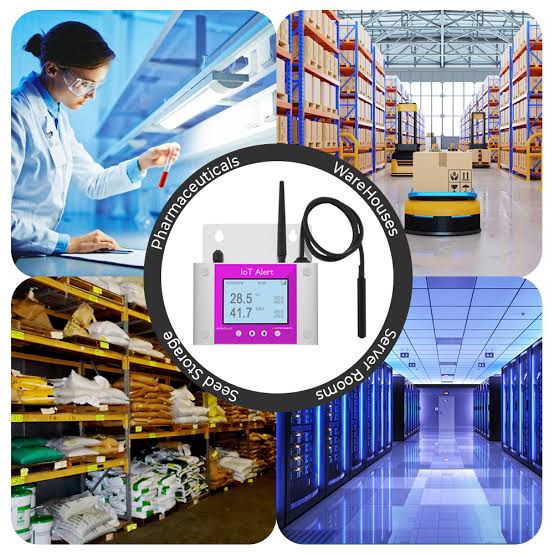
A cold room monitoring system is a specialized solution designed to manage and track the environmental conditions within older spaces, ensuring optimal performance and safety. These systems utilize advanced sensors to monitor temperature, humidity, and air quality, offering real-time data and alerts. In older buildings or cold rooms, maintaining stable conditions is crucial for preserving the integrity of stored items, such as perishable goods or sensitive equipment.

The Evolution of Room Monitoring Technology

Room monitoring has come a long way from manual temperature checks and analog thermometers. The advent of digital technology brought about automated systems that could track conditions more accurately. Today, innovations like the Internet of Things (IoT) and artificial intelligence (AI) have made monitoring systems smarter and more efficient. The Cold Room Kahuna has been at the forefront of this evolution, developing solutions tailored to modern needs while addressing the challenges of older spaces.

Key Features of Advanced Monitoring Systems

Modern monitoring systems, like those offered by The Cold Room Kahuna, boast features such as:

    • Real-Time Alerts: Instant notifications for any deviations in temperature or humidity.
    • Remote Accessibility: Control and monitor your system from anywhere using a smartphone or computer.
    • Energy Efficiency: Smart algorithms to optimize energy consumption.
    • Data Logging: Historical data storage for compliance and analysis.
    • Customizable Settings: Tailored configurations to suit specific needs.

Why Choose The Cold Room Kahuna for Monitoring Solutions?

Expertise and Experience in Cold Room Technology

With decades of experience, The Cold Room Kahuna has established itself as a leader in the industry. Their team comprises experts who understand the unique challenges of maintaining colder rooms and cold storage facilities. They have consistently delivered innovative solutions that combine reliability with cutting-edge technology.

Unique Offerings by The Cold Room Kahuna

The Cold Room Kahuna stands out for its:

      • Customizable Systems: Solutions tailored to the specific needs of older spaces.
      • Comprehensive Support: End-to-end service from installation to maintenance.
      • Sustainability Focus: Energy-efficient systems that reduce environmental impact.

Benefits of Using Their Old Room Monitoring System

Opting for The Cold Room Kahuna’s system ensures:

        • Peace of Mind: Reliable performance and proactive alerts.
        • Cost Savings: Reduced energy bills and minimized maintenance costs.
        • Improved Safety: Protection against spoilage or equipment failure.

How Cold Room Monitoring Systems Work

Sensors and Their Role

At the heart of any monitoring system are sensors. These devices detect changes in environmental conditions and transmit data to a central hub. The sensors used by The Cold Room Kahuna are highly accurate and durable, making them ideal for older, potentially challenging environments.

Data Collection and Transmission

The system collects data continuously, ensuring that even the slightest fluctuations are recorded. This data is transmitted securely to a central platform, where it is analyzed for trends and anomalies.

Remote Monitoring and Alerts

One of the standout features of modern systems is remote monitoring. With The Cold Room Kahuna’s solutions, you can access real-time data and receive alerts via email or SMS, no matter where you are.

Applications of Cold Room Monitoring Systems

Industrial and Commercial Uses

Cold room monitoring systems are essential for industries like food storage, pharmaceuticals, and logistics. These systems ensure compliance with regulatory standards and prevent costly losses due to spoilage or equipment failure.

Residential Applications

In residential settings, monitoring systems can help maintain comfortable living conditions and protect valuable items like wine collections or antique furniture.

Specialized Environments

For specialized environments such as laboratories or archives, precise monitoring is critical to preserving sensitive materials and ensuring operational efficiency.

Setting Up a Cold Room Monitoring System by The Cold Room Kahuna

Installation Process

The installation process is straightforward and handled by experts. The team conducts a thorough assessment of your space to determine the best sensor placement and system configuration.

Integration with Existing Systems

The Cold Room Kahuna’s solutions are designed to integrate seamlessly with your existing infrastructure, minimizing disruption during setup.

Troubleshooting and Maintenance

Regular maintenance ensures the system continues to perform optimally. The Cold Room Kahuna offers comprehensive support services, including troubleshooting and updates.

Advantages of Cold Room Monitoring Systems

Energy Efficiency and Cost Savings

Smart monitoring systems optimize energy usage by adjusting settings based on real-time data. This leads to significant cost savings over time.

Enhanced Security and Safety

By providing instant alerts, these systems help prevent accidents, equipment damage, and loss of valuable goods.

Real-Time Data Insights

Access to real-time and historical data allows for better decision-making and improved operational efficiency.

Common Challenges and How to Overcome Them

Compatibility with Colder Rooms

Colder rooms may have structural or wiring limitations. The Cold Room Kahuna’s systems are designed to overcome these challenges with wireless options and adaptable configurations.

Signal and Connectivity Issues

Reliable connectivity is essential for remote monitoring. The Cold Room Kahuna addresses this with advanced signal boosters and backup options.

Addressing Privacy Concerns

Data security is a top priority. The Cold Room Kahuna ensures all data is encrypted and complies with industry standards.

Innovations in Monitoring Technology

IoT Integration in Cold Room Monitoring

The Internet of Things (IoT) allows devices to communicate seamlessly, creating a more efficient and interconnected monitoring system.

AI and Machine Learning Applications

AI enables predictive analytics, helping to identify potential issues before they occur. This proactive approach minimizes downtime and maximizes efficiency.

Predictive Maintenance Features

With predictive maintenance, the system can alert you to potential failures, allowing for timely intervention and reducing repair costs.

Choosing the Right Monitoring System for Your Needs

Factors to Consider Before Purchase

When selecting a monitoring system, consider factors like scalability, compatibility, and cost-effectiveness.

Comparing Options on the Market

The Cold Room Kahuna’s solutions stand out for their reliability, advanced features, and excellent customer support.

Long-Term Value of The Cold Room Kahuna Solutions

Investing in a high-quality monitoring system from The Cold Room Kahuna ensures long-term savings, improved safety, and peace of mind.

FAQs About Old Room Monitoring Systems by The Cold Room Kahuna

What Makes The Cold Room Kahuna Different?

Their expertise, innovative solutions, and commitment to customer satisfaction set them apart.

Can It Be Retrofitted to Older Rooms?

Yes, their systems are designed to adapt to older structures without significant modifications.

What Are the Maintenance Costs?

Maintenance costs are minimal, thanks to the system’s robust design and efficient operation.

How Accurate Is the Monitoring System?

The system uses high-precision sensors to deliver accurate and reliable data.

Is Remote Access Possible?

Absolutely. You can monitor and control the system remotely via a user-friendly app.

What Support Options Are Available?

The Cold Room Kahuna offers 24/7 support, ensuring any issues are resolved promptly.

Conclusion

Emphasizing the Value of Cold Room Monitoring Systems

Cold room monitoring systems are essential for maintaining optimal conditions, ensuring safety, and reducing costs.

Why The Cold Room Kahuna Stands Out

With its expertise, innovative solutions, and customer-centric approach, The Cold Room Kahuna is the ideal choice for all your monitoring needs.

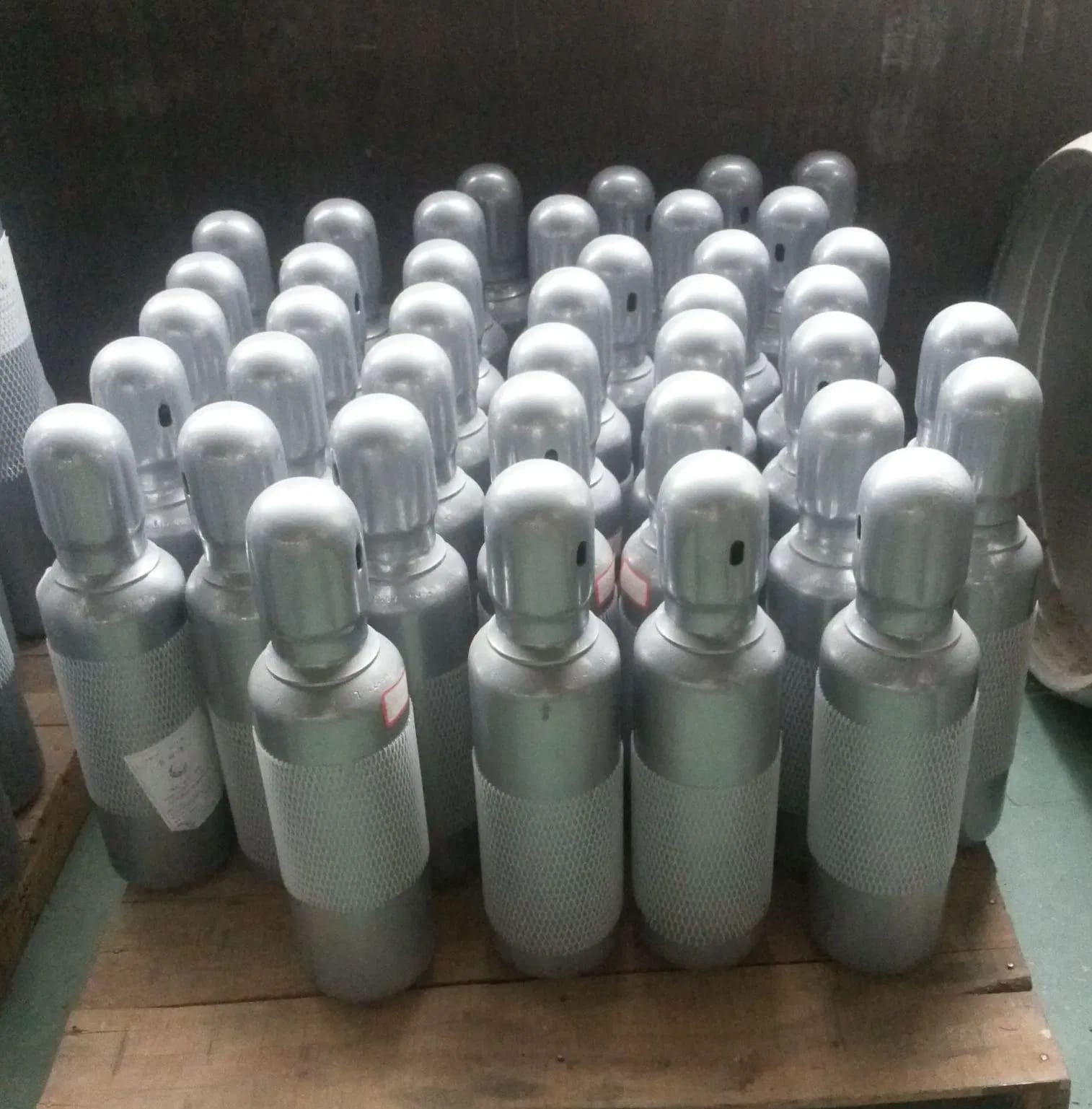
Refrigerants are the lifeblood of cooling systems, ensuring optimal performance in applications ranging from household refrigerators to industrial cryogenic systems. Among the vast array of refrigerants available, R-23 and R-508B stand out as key players in ultra-low temperature applications. But what sets them apart? Let’s dive in to explore their differences and determine which is better suited for your cooling needs.

What is Refrigerant R-23?
Composition and Chemical Properties
R-23, also known as Trifluoroethane, is a hydrofluorocarbon (HFC) with the chemical formula CHF₃. It is characterized by its high boiling point and exceptional cooling capabilities in extremely low-temperature systems.

Common Applications
R-23 is commonly used in medical and laboratory equipment, such as MRI machines and pharmaceutical freezers. Its ability to maintain consistent performance in temperatures as low as -80°C makes it invaluable in these fields.

What is Refrigerant R-508B?
Composition and Chemical Properties
R-508B is a blend of two HFCs: R-23 and R-116. This combination enhances its cooling performance, particularly in cryogenic systems. It boasts a lower global warming potential (GWP) compared to many other refrigerants.

Common Applications
R-508B is widely utilized in industrial freezers, cryogenic storage systems, and scientific research facilities. Its efficiency in maintaining ultra-low temperatures has made it a favorite in industries requiring precise thermal control.

Key Differences Between R-23 and R-508B
Chemical Composition
While R-23 is a single-component refrigerant, R-508B is a blend. This distinction directly impacts their performance and environmental impact.

Performance in Different Temperature Ranges
R-23 is ideal for temperatures below -50°C, making it perfect for deep-freezing applications. In contrast, R-508B is designed to operate efficiently at slightly higher temperatures while still achieving ultra-low cooling.

Energy Efficiency
R-508B often outperforms R-23 in terms of energy efficiency, reducing operational costs over time.

Environmental Impact
R-508B has a lower GWP than R-23, aligning better with global environmental standards.

Suitability for Ultra-Low Temperature Applications
R-23’s Role in Low-Temperature Systems
R-23’s ability to maintain stability at extreme temperatures makes it a reliable choice for critical applications like medical storage.

R-508B’s Effectiveness in Similar Applications
Thanks to its blend composition, R-508B delivers enhanced cooling performance, often requiring less energy to achieve comparable results.

Safety and Handling of R-23 and R-508B
Storage Guidelines
Both refrigerants should be stored in a cool, dry place away from direct sunlight and heat sources.

Handling Precautions
Proper personal protective equipment (PPE) is essential when handling these refrigerants to avoid exposure-related risks.

Risk Factors
Leaks or improper usage can lead to environmental harm or health hazards, underscoring the importance of professional handling.

Cost and Availability
R-23 is generally more affordable but faces increasing restrictions due to its higher GWP. R-508B, while pricier, is gaining traction thanks to its eco-friendly profile and availability in niche markets.

Environmental Regulations
International agreements like the Kigali Amendment aim to phase out high-GWP refrigerants like R-23. R-508B, with its lower environmental impact, remains a more sustainable option under current regulations.

Choosing the Right Refrigerant
When deciding between R-23 and R-508B, consider factors like application requirements, energy efficiency, and environmental impact. For industries prioritizing sustainability, R-508B often emerges as the better choice.

Advantages of R-23
Superior performance at extreme low temperatures
Proven reliability in medical and scientific applications
Advantages of R-508B
Lower GWP and environmental impact
Greater energy efficiency in cryogenic systems
Challenges and Limitations
R-23
Environmental concerns and limited availability due to regulatory restrictions.

R-508B
Higher upfront costs and specific application requirements.

Future of Refrigerants
With advancements in refrigerant technology, more eco-friendly and efficient alternatives to R-23 and R-508B are likely to emerge, further shaping the cooling industry.

Conclusion
Choosing the right refrigerant for your application is no small task. By understanding the differences between R-23 and R-508B, you can make an informed decision that balances performance, cost, and environmental impact. The future of cooling lies in sustainable solutions, and both these refrigerants have their place in the evolving landscape.

FAQs
What are the main differences between R-23 and R-508B?
R-23 is a single-component refrigerant, while R-508B is a blend. They differ in performance, efficiency, and environmental impact.

Which refrigerant is more environmentally friendly?
R-508B has a lower global warming potential compared to R-23.

Can R-23 and R-508B be used interchangeably?
No, their applications and properties differ, so they are not interchangeable.

What industries typically use R-23 and R-508B?
R-23 is common in medical and laboratory equipment, while R-508B is used in cryogenic and industrial freezers.

Are there alternatives to these refrigerants?
Yes, newer refrigerants with lower GWPs are being developed as alternatives to both R-23 and R-508B.

A Cold Room Refrigeration System is a specialized system designed to maintain a controlled, low-temperature environment for storing perishable goods. These systems are commonly used in industries such as food and beverage, pharmaceuticals, agriculture, and logistics, where maintaining the quality and safety of temperature-sensitive products is critical.

Components of a Cold Room Refrigeration System

  1. Insulated Enclosure:
    • The walls, floors, and ceilings of the cold room are made of insulated panels to minimize heat transfer and maintain a consistent internal temperature.
  2. Refrigeration Unit:
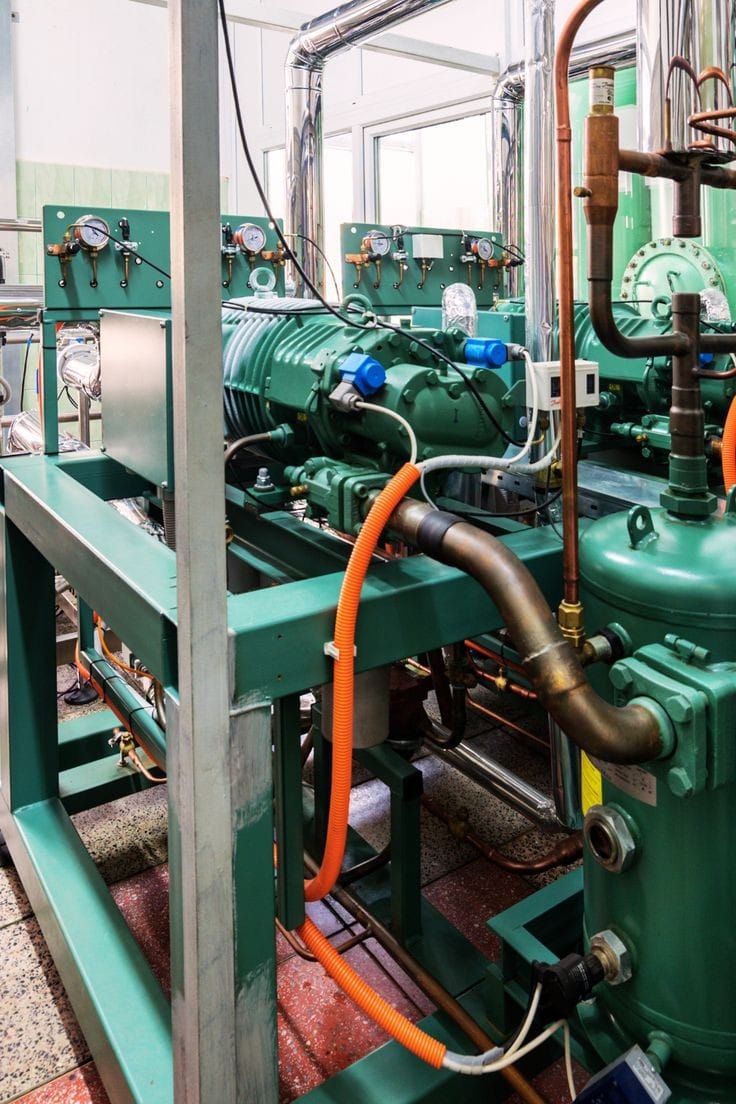
    • Includes compressors, condensers, evaporators, and refrigerants that work together to remove heat from the cold room.
    • The compressor compresses the refrigerant, which then releases heat outside the cold room as it condenses.
  3. Evaporator Fans:
    • Located inside the cold room, they distribute cool air evenly throughout the space.
  4. Temperature Control System:
    • Allows users to set and monitor the desired temperature, often with alarms for deviations.
  5. Refrigerants:
    • Substances like R134a or R404a are used to transfer heat efficiently, but eco-friendlier alternatives like R290 (propane) are increasingly being adopted.
  6. Defrost Mechanism:
    • Removes frost buildup on the evaporator coils to ensure efficient cooling.

Key Features of Cold Room Systems

  • Temperature Range: Can vary from -40°C (-40°F) to 15°C (59°F), depending on the application.
  • Humidity Control: Some systems also regulate humidity to preserve specific products like fruits, vegetables, or flowers.
  • Energy Efficiency: Modern systems often include energy-saving technologies to reduce operational costs.

Applications

  1. Food Industry:
    • Storage of meat, seafood, dairy products, fruits, and vegetables to prevent spoilage.
  2. Pharmaceuticals:
    • Preservation of vaccines, medicines, and other sensitive products.
  3. Agriculture:
    • Post-harvest storage to prolong the shelf life of produce.
  4. Logistics:
    • Temperature-controlled storage in warehouses and during transportation.

In summary, a cold room refrigeration system is an essential infrastructure for industries relying on temperature-sensitive products, ensuring freshness, safety, and quality while minimizing waste.


Advantages of Cold Room Refrigeration Systems

  1. Preservation of Product Quality:
    • Extends the shelf life of perishable goods by preventing spoilage.
    • Maintains nutritional and aesthetic qualities of food products.
  2. Compliance with Regulations:
    • Essential for industries to meet health and safety standards, especially in food and pharmaceuticals.
  3. Energy Efficiency and Sustainability:
    • Modern systems incorporate features like variable speed drives, high-efficiency compressors, and eco-friendly refrigerants to reduce environmental impact.
  4. Customization:
    • Can be tailored to meet specific requirements such as size, temperature range, and additional features like humidity control.
  5. Economic Benefits:
    • Reduces waste and losses due to spoilage, improving profitability.

Maintenance and Challenges

Regular Maintenance

To ensure optimal performance and longevity, regular maintenance is critical:

  • Inspect and clean components: Filters, evaporator coils, and condenser units should be cleaned regularly.
  • Check refrigerant levels: Low refrigerant can lead to inefficient cooling and damage to the system.
  • Monitor seals and insulation: Poor insulation can increase energy costs.
  • Perform defrost cycles: Prevents ice buildup that could affect cooling efficiency.

Common Challenges

  1. Energy Consumption:
    • Cold rooms can be energy-intensive, leading to high operational costs. Upgrading to energy-efficient models and using renewable energy can help mitigate this.
  2. Environmental Impact:
    • Refrigerants like HFCs and CFCs can contribute to global warming and ozone depletion. The industry is moving towards eco-friendly alternatives.
  3. System Failures:
    • Malfunctions in refrigeration units or power outages can lead to temperature deviations, causing product loss.

Emerging Trends in Cold Room Systems

  1. Smart Refrigeration Technology:
    • Integration with IoT for real-time temperature and humidity monitoring.
    • Remote management and predictive maintenance using AI-driven insights.
  2. Green Refrigeration Solutions:
    • Increased adoption of natural refrigerants like ammonia (NH3) and CO2.
    • Focus on reducing carbon footprints through energy-efficient designs.
  3. Automation and Robotics:
    • Automated inventory systems within cold rooms to improve efficiency and reduce manual handling.
  4. Cold Chain Integration:
    • Seamless connection with transportation systems to maintain unbroken temperature control from production to delivery.

Conclusion

Cold room refrigeration systems play a crucial role in maintaining the quality and safety of temperature-sensitive products across various industries. Advances in technology, coupled with growing awareness of environmental sustainability, are driving innovations in energy efficiency, automation, and eco-friendly solutions. Proper planning, installation, and maintenance of these systems ensure their efficiency, reliability, and cost-effectiveness, making them indispensable in the modern supply chain.

Cold rooms are essential for businesses that need reliable refrigeration and temperature control. Industries such as food processing, agriculture, pharmaceuticals, hospitality, and mortuary services rely on cold storage to preserve products and maintain quality.

At The Cold Room Kahuna, we provide cold room installation, repair, maintenance, and customized cold storage solutions in Kenya. Below are some frequently asked questions (FAQs) about cold rooms to help businesses understand how they work and why they are important.

1. What is a Cold Room?

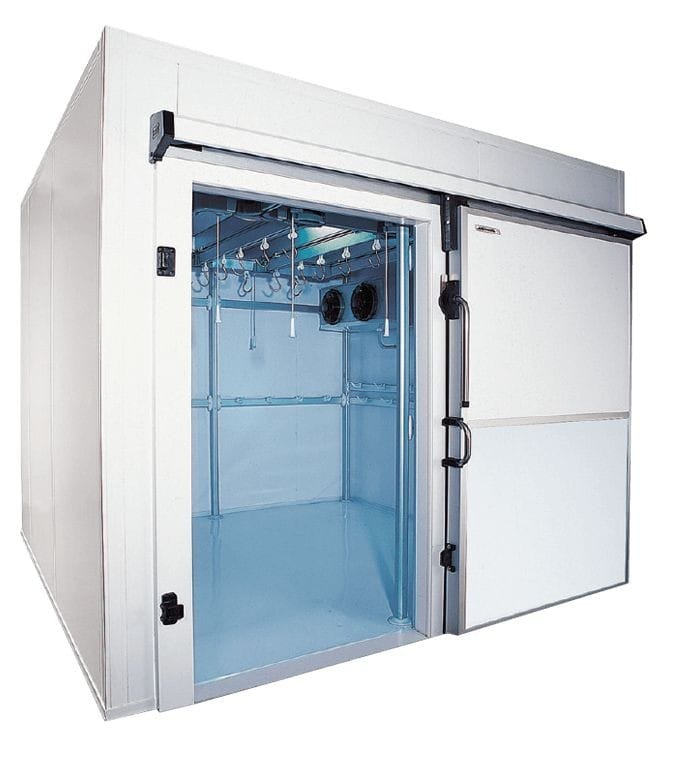
A cold room is a temperature-controlled storage space designed to keep products fresh by maintaining a specific temperature range. Cold rooms are commonly used for storing:

  • Fresh fruits and vegetables
  • Dairy products and milk
  • Meat and seafood
  • Pharmaceuticals and vaccines
  • Flowers and horticultural products
  • Mortuary bodies

Cold rooms are built using insulated panels and refrigeration systems to maintain stable temperatures.

2. What Temperature Does a Cold Room Operate At?

Cold room temperatures vary depending on the product being stored.

Typical temperature ranges include:

  • Chiller Rooms: 0°C to 5°C (fresh produce, dairy, beverages)
  • Freezer Rooms: -18°C to -25°C (meat, fish, frozen foods)
  • Blast Freezers: -30°C to -40°C (rapid freezing)
  • Mortuary Cold Rooms: 2°C to 4°C (body preservation)

Choosing the correct temperature ensures product quality and longer shelf life.

3. What Industries Use Cold Rooms in Kenya?

Cold rooms are widely used across many industries including:

  • Food processing companies
  • Restaurants and hotels
  • Supermarkets and butcheries
  • Dairy farms and milk cooling centers
  • Flower farms and horticulture exporters
  • Pharmaceutical companies
  • Hospitals and mortuaries

Reliable cold storage solutions in Kenya help businesses reduce spoilage and improve product safety.

4. How Much Does Cold Room Installation Cost in Kenya?

The cost of cold room installation in Kenya depends on several factors such as:

  • Cold room size
  • Temperature requirements
  • Insulation panel thickness
  • Refrigeration unit capacity
  • Location of installation

Small cold rooms may cost less, while large industrial cold storage facilities require more advanced refrigeration systems.

For accurate pricing, businesses should request a professional site assessment.

5. What Equipment Is Used in a Cold Room?

A cold room system consists of several key components:

  • Refrigeration compressor (Bitzer, Tecumseh, etc.)
  • Evaporator unit
  • Condenser unit
  • Insulated cold room panels
  • Temperature control system
  • Refrigerant gas (R404A, R134a, etc.)
  • PVC strip curtains for energy efficiency

These components work together to maintain consistent cooling performance.

6. How Often Should Cold Rooms Be Serviced?

Cold rooms require regular maintenance to ensure efficiency and prevent breakdowns.

Experts recommend:

  • Monthly inspection of refrigeration components
  • Quarterly servicing for compressors and condensers
  • Annual preventive maintenance

Regular servicing helps avoid costly repairs and keeps refrigeration systems running efficiently.

7. What Are the Benefits of Installing a Cold Room?

Cold rooms provide several advantages for businesses including:

  • Extended shelf life for products
  • Reduced food spoilage and waste
  • Better product quality and safety
  • Increased storage capacity
  • Improved operational efficiency

For agricultural businesses and food suppliers, cold rooms are a critical investment for supply chain management.

8. Can Cold Rooms Be Customized?

Yes. Cold rooms can be custom-designed based on business needs. Customization may include:

  • Specific room dimensions
  • Different temperature ranges
  • Dual temperature chambers
  • Energy-efficient refrigeration systems
  • Specialized doors and insulation

Customized cold rooms help businesses maximize storage efficiency and performance.

9. Why Choose Professional Cold Room Installation?

Professional installation ensures:

  • Correct refrigeration system sizing
  • Proper insulation installation
  • Efficient airflow and cooling
  • Compliance with safety standards

Improper installation can cause high energy consumption and frequent equipment failures.

10. Who Provides Cold Room Installation in Kenya?

If you are looking for professional cold room installation, repair, and maintenance in Kenya, The Cold Room Kahuna offers reliable refrigeration solutions for businesses across the country.

Services include:

  • Cold room design and installation
  • Refrigeration equipment supply
  • Compressor repair and servicing
  • Mortuary cold room installation
  • Annual cold room maintenance

Our experienced technicians ensure efficient and durable cold storage systems for commercial and industrial applications.

Contact The Cold Room Kahuna today for professional cold room installation and cold storage solutions in Kenya.

eliable cold storage.

Refrigerant Gas Suppliers in Kenya: Reliable Cooling Solutions for Every Industry

When it comes to efficient cooling and refrigeration, choosing the right refrigerant gas supplier in Kenya is critical. Whether you operate a cold room, supermarket, hospital, or industrial plant, high-quality refrigerants ensure optimal performance, energy efficiency, and long equipment lifespan.

What is Refrigerant Gas?

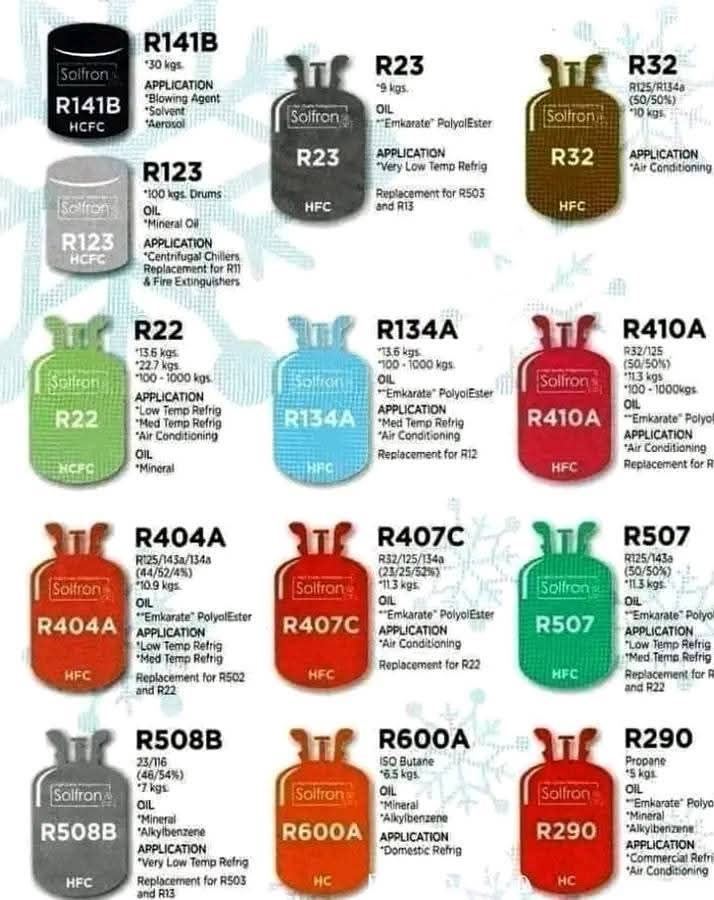
Refrigerant gas is a vital component used in cooling systems such as air conditioners, cold rooms, and refrigeration units. It absorbs heat and releases it outside, maintaining the desired temperature. Common types of refrigerant gases used in Kenya include:

  • R134a refrigerant gas – Ideal for domestic and commercial refrigeration systems

  • R404A refrigerant gas – Widely used in cold rooms and freezer rooms

  • R410A refrigerant gas – Common in modern air conditioning systems

  • R22 refrigerant gas – Used in older systems (being phased out globally)

Leading Refrigerant Gas Suppliers in Kenya

Finding a trusted refrigerant gas supplier in Kenya ensures you get genuine, high-performance products. At The Cold Room Kahuna, we specialize in the supply of high-quality refrigerants suitable for:

  • Cold room installations

  • Freezer room systems

  • Air conditioning units

  • Industrial refrigeration systems

We stock a wide range of refrigerants including R134a, R404A, R410A, and other industry-approved gases.

Why Choose Quality Refrigerant Gas?

Using high-quality refrigerant gas in Kenya offers several benefits:

  • ✅ Improved cooling efficiency

  • ✅ Lower energy consumption

  • ✅ Extended equipment lifespan

  • ✅ Reduced maintenance costs

  • ✅ Environmental compliance

Poor-quality or counterfeit refrigerants can damage compressors and reduce system performance, leading to costly repairs.

Applications of Refrigerant Gas in Kenya

Refrigerant gases are widely used across multiple industries, including:

  • Cold storage facilities – For food preservation and pharmaceuticals here 

  • Supermarkets and retail stores – Display fridges and freezers

  • Hotels and restaurants – Kitchen refrigeration systems here

  • Hospitals and laboratories – Temperature-sensitive storage  Here and Here

  • Agriculture and dairy farms – Milk cooling and produce storage

Refrigerant Gas Prices in Kenya

Here

The price of refrigerant gas in Kenya depends on factors such as type, cylinder size, and market trends. Due to global supply changes, prices may fluctuate. It is important to work with a reliable supplier who offers competitive pricing and genuine products.

Why Choose The Cold Room Kahuna?

At The Cold Room Kahuna, we are a trusted name among refrigerant gas suppliers in Kenya, offering:

  • ✔ Genuine and certified refrigerant gases

  • ✔ Competitive prices

  • ✔ Expert technical support

  • ✔ Fast delivery across Kenya

  • ✔ Supply for both small and large-scale projects

We also provide cold room installation, repair, and maintenance services, making us your one-stop solution for all refrigeration needs.

Conclusion

Choosing the right refrigerant gas supplier in Kenya is essential for maintaining efficient and reliable cooling systems. Whether you need R134a, R404A, or R410A refrigerant gas, working with a trusted supplier like The Cold Room Kahuna ensures quality, performance, and long-term value.

👉 Contact The Cold Room Kahuna today for the best refrigerant gas supply in Kenya and expert refrigeration solutions.

Cold Room Dismantling Service in Kenya.

Outline
Introduction

Importance of Cold Rooms in Kenya
The Role of The Cold Room Kahuna
Understanding Cold Rooms

What Are Cold Rooms?
Uses of Cold Rooms in Various Industries
The Need for Dismantling Cold Rooms

Why Dismantling Is Necessary
Common Reasons for Cold Room Dismantling
The Cold Room Kahuna Services

Overview of Services
Expertise and Experience
Step-by-Step Cold Room Dismantling Process

Initial Assessment
Planning and Preparation
Safe Removal of Components
Disposal and Recycling
Safety Measures and Protocols

Ensuring Safety During Dismantling
Environmental Considerations
Tools and Equipment Used in Dismantling

Essential Tools
Advanced Equipment
Case Studies of Successful Dismantling Projects

Project 1: Food Processing Plant
Project 2: Pharmaceutical Warehouse
Benefits of Professional Cold Room Dismantling

Cost-Effectiveness
Time Efficiency
Minimizing Downtime
Challenges in Cold Room Dismantling

Common Obstacles
How The Cold Room Kahuna Overcomes These Challenges
Customer Testimonials and Reviews

Satisfied Clients
Impact on Businesses
Future of Cold Room Services in Kenya

Emerging Trends
Innovations in Cold Room Technology
Why Choose The Cold Room Kahuna

Unique Selling Points
Competitive Advantages
Contact Information and Service Areas

How to Get in Touch
Areas Covered
Conclusion

Summary of Key Points
Final Thoughts
FAQs

How long does it take to dismantle a cold room?
What happens to the components after dismantling?
Are there any risks involved in cold room dismantling?
Can dismantled parts be reused or sold?
How can I get a quote for cold room dismantling?
We Dismantle Cold Rooms in Kenya – The Cold Room Kahuna
Introduction
Cold rooms are vital for numerous industries in Kenya, from food processing to pharmaceuticals. They ensure products remain at the correct temperature, preserving quality and safety. However, there comes a time when these cold rooms need to be dismantled—whether due to relocation, upgrade, or decommissioning. That’s where The Cold Room Kahuna steps in, offering professional and efficient dismantling services.

Understanding Cold Rooms
What Are Cold Rooms?
Cold rooms are large refrigeration units designed to store perishable goods at low temperatures. They come in various sizes and configurations, tailored to the needs of different industries.

Uses of Cold Rooms in Various Industries
Food and Beverage: To store fruits, vegetables, dairy, meat, and other perishables.
Pharmaceuticals: For preserving medicines, vaccines, and other temperature-sensitive products.
Floriculture: To keep flowers fresh and extend their shelf life.
The Need for Dismantling Cold Rooms
Why Dismantling Is Necessary
Dismantling cold rooms becomes essential for several reasons:

Relocation: Moving to a new facility requires dismantling the existing setup.
Upgrades: Replacing old units with advanced technology.
Decommissioning: Shutting down operations or repurposing the space.
Common Reasons for Cold Room Dismantling
Equipment obsolescence
Business closure
Regulatory compliance
Structural issues
The Cold Room Kahuna Services
Overview of Services
The Cold Room Kahuna specializes in the dismantling, relocation, and disposal of cold rooms. Their services include:

Complete dismantling of cold rooms
Safe removal and disposal of refrigerants
Recycling of materials
Site cleanup
Expertise and Experience
With years of experience, The Cold Room Kahuna boasts a team of skilled technicians adept at handling complex dismantling projects efficiently and safely.

Step-by-Step Cold Room Dismantling Process

Initial Assessment
The process begins with a thorough assessment of the cold room, including its size, components, and condition. This helps in planning the dismantling procedure.

Planning and Preparation
A detailed plan is crafted, outlining each step of the dismantling process. This includes identifying the tools and equipment needed and scheduling the work to minimize disruption.

Safe Removal of Components
Technicians carefully dismantle the cold room, starting with the removal of refrigerants, insulation panels, and mechanical parts. Each component is handled with care to avoid damage.

Disposal and Recycling
The final step involves disposing of the dismantled materials responsibly. Wherever possible, parts are recycled to reduce environmental impact.

Safety Measures and Protocols
Ensuring Safety During Dismantling
Safety is paramount. The Cold Room Kahuna adheres to strict safety protocols to protect workers and the environment. This includes using personal protective equipment (PPE) and following industry standards.

Environmental Considerations
Refrigerants are managed according to environmental regulations to prevent harmful emissions. Materials like metals and plastics are sorted for recycling.

Tools and Equipment Used in Dismantling
Essential Tools
Wrenches and screwdrivers
Cutting tools
Insulation removal tools
Advanced Equipment
Refrigerant recovery units
Lifting and hoisting equipment
Safety gear
Case Studies of Successful Dismantling Projects
Project 1: Food Processing Plant
In this project, The Cold Room Kahuna dismantled an old cold room to make way for a new, more efficient unit. The project was completed ahead of schedule, allowing the plant to resume operations quickly.

Project 2: Pharmaceutical Warehouse
A pharmaceutical company required the dismantling of a cold room due to a facility upgrade. The Cold Room Kahuna ensured that all sensitive materials were handled correctly and the site was prepared for new installations.

Benefits of Professional Cold Room Dismantling
Cost-Effectiveness
Professional dismantling saves money by avoiding damage to reusable components and minimizing downtime.

Time Efficiency
Experienced technicians complete the job swiftly, reducing the time the facility is out of operation.

Minimizing Downtime
With careful planning and execution, The Cold Room Kahuna ensures minimal disruption to business activities.

Challenges in Cold Room Dismantling
Common Obstacles
Handling hazardous materials
Working in confined spaces
Dealing with outdated or damaged components
How The Cold Room Kahuna Overcomes These Challenges
Their team is trained to manage these challenges efficiently, using specialized tools and adhering to safety protocols.

Customer Testimonials and Reviews
Satisfied Clients
“Our cold room dismantling project was seamless, thanks to The Cold Room Kahuna.” – John M., Food Processing Plant Manager

Impact on Businesses
“Minimal downtime and efficient service—we couldn’t have asked for more.” – Sarah K., Pharmaceutical Warehouse Director

Future of Cold Room Services in Kenya
Emerging Trends
Green refrigeration technologies
Automated cold storage solutions
Innovations in Cold Room Technology
Energy-efficient units
Advanced temperature control systems
Why Choose The Cold Room Kahuna
Unique Selling Points
Experienced team
Comprehensive services
Commitment to safety and sustainability
Competitive Advantages
Quick turnaround times
Competitive pricing
High customer satisfaction
Contact Information and Service Areas
How to Get in Touch
Visit thecoldroomkahuna.com or call +254745105691 for inquiries and quotes.

Areas Covered
The Cold Room Kahuna operates across Kenya, serving both urban and rural areas.

Conclusion
Cold room dismantling is a complex but necessary task for many businesses in Kenya. The Cold Room Kahuna offers professional, safe, and efficient services to meet this need. With a focus on minimizing downtime and ensuring environmental responsibility, We are the go-to experts for all cold room dismantling projects.

FAQs
How long does it take to dismantle a cold room?
The duration depends on the size and complexity of the cold room, but most projects are completed within a few days.

What happens to the components after dismantling?
Components are either recycled, disposed of responsibly, or repurposed based on their condition.

Are there any risks involved in cold room dismantling?
Risks are minimal when performed by professionals who follow strict safety protocols.

Can dismantled parts be reused or sold?
Yes, many parts can be reused or sold if they are in good condition.

How can I get a quote for cold room dismantling?
Contact The Cold Room Kahuna through thecoldroomkahuna.com or customer service hotline +254745105691 for a detailed quote

Blast Freezer Installation Services in Kenya by The Cold Room Kahuna

Introduction

In Kenya’s growing food industry, proper preservation of products is key to ensuring freshness and quality. Among the most efficient methods for rapid freezing is the use of blast freezers. These specialized units are a game-changer for businesses that require quick freezing solutions, such as restaurants, butcheries, and fish markets. The Cold Room Kahuna stands out as a top provider of blast freezer installation services in Kenya, offering tailored solutions for diverse client needs. In this article, we’ll dive into everything you need to know about blast freezer installation, especially from The Cold Room Kahuna.

What is a Blast Freezer?

Definition and Functionality

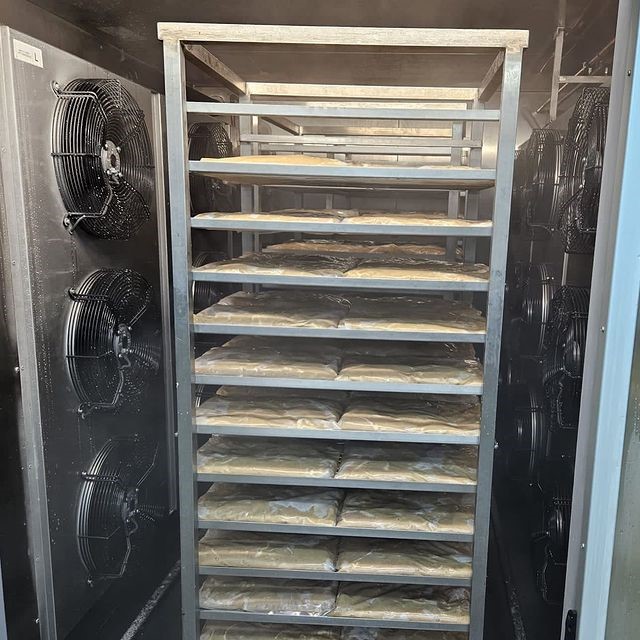
A blast freezer, also known as a shock freezer, is a specialized refrigeration unit designed to freeze products rapidly. Unlike regular freezers that slowly lower the temperature, blast freezers achieve extremely low temperatures in a short time frame, often reaching -40°C. This rapid freezing process helps preserve the texture, flavor, and nutritional value of food, making it ideal for perishable goods.

How Blast Freezers Differ from Regular Freezers

The primary difference lies in the speed and efficiency of cooling. Regular freezers take hours to freeze products, leading to the formation of large ice crystals that can degrade food quality. Blast freezers, on the other hand, freeze items quickly, maintaining their quality and extending shelf life.

Why Invest in Blast Freezer Installation in Kenya?

Benefits of Blast Freezing for Businesses

For businesses dealing with fresh produce, meats, or seafood, blast freezing offers several benefits:

  • Longer Shelf Life: It keeps products fresh for longer periods, reducing waste.
  • Preservation of Quality: Rapid freezing ensures that food retains its texture and nutritional value.
  • Increased Efficiency: Businesses can process large batches quickly, keeping up with demand.

Industries That Benefit Most

  • Food Processing Plants
  • Hotels and Restaurants
  • Fisheries
  • Butcheries
  • Dairy Processing Plants

The Role of The Cold Room Kahuna in Blast Freezer Installation

Introduction to The Cold Room Kahuna

The Cold Room Kahuna is a leading provider of refrigeration solutions in Kenya. With a strong track record in the installation, maintenance, and customization of blast freezers, they are trusted by many businesses across the country.

Why Choose The Cold Room Kahuna?

  • Expertise: Years of experience in the refrigeration industry.
  • Customized Solutions: Tailor-made options for different business needs.
  • After-Sales Support: Comprehensive maintenance packages to keep systems running smoothly.

Types of Blast Freezers Available

Modular Blast Freezers

These freezers come in a pre-designed format that can be assembled quickly on-site, offering flexibility for businesses with limited space.

Walk-In Blast Freezers

Larger units suitable for commercial operations with high freezing capacity, ideal for food processing plants.

Customizable Blast Freezing Solutions

The Cold Room Kahuna can design bespoke solutions tailored to your specific needs, ensuring that your freezing capacity matches your operational requirements.

Key Considerations When Installing a Blast Freezer

Space and Location

Choosing the right location is crucial for efficient operation. A well-ventilated area with easy access can optimize the installation.

Energy Efficiency and Power Requirements

Understanding the energy needs of your blast freezer can help save on costs. It’s important to ensure your premises can accommodate the power load.

Temperature Control and Monitoring

Advanced temperature control systems allow for precise settings, ensuring that products are frozen at optimal conditions.

Steps in the Blast Freezer Installation Process

Site Assessment and Planning

A professional team visits your premises to assess the available space and determine the best placement for the freezer.

Design and Customization

Based on your needs, The Cold Room Kahuna designs a system that fits seamlessly into your business operations.

Installation and Setup

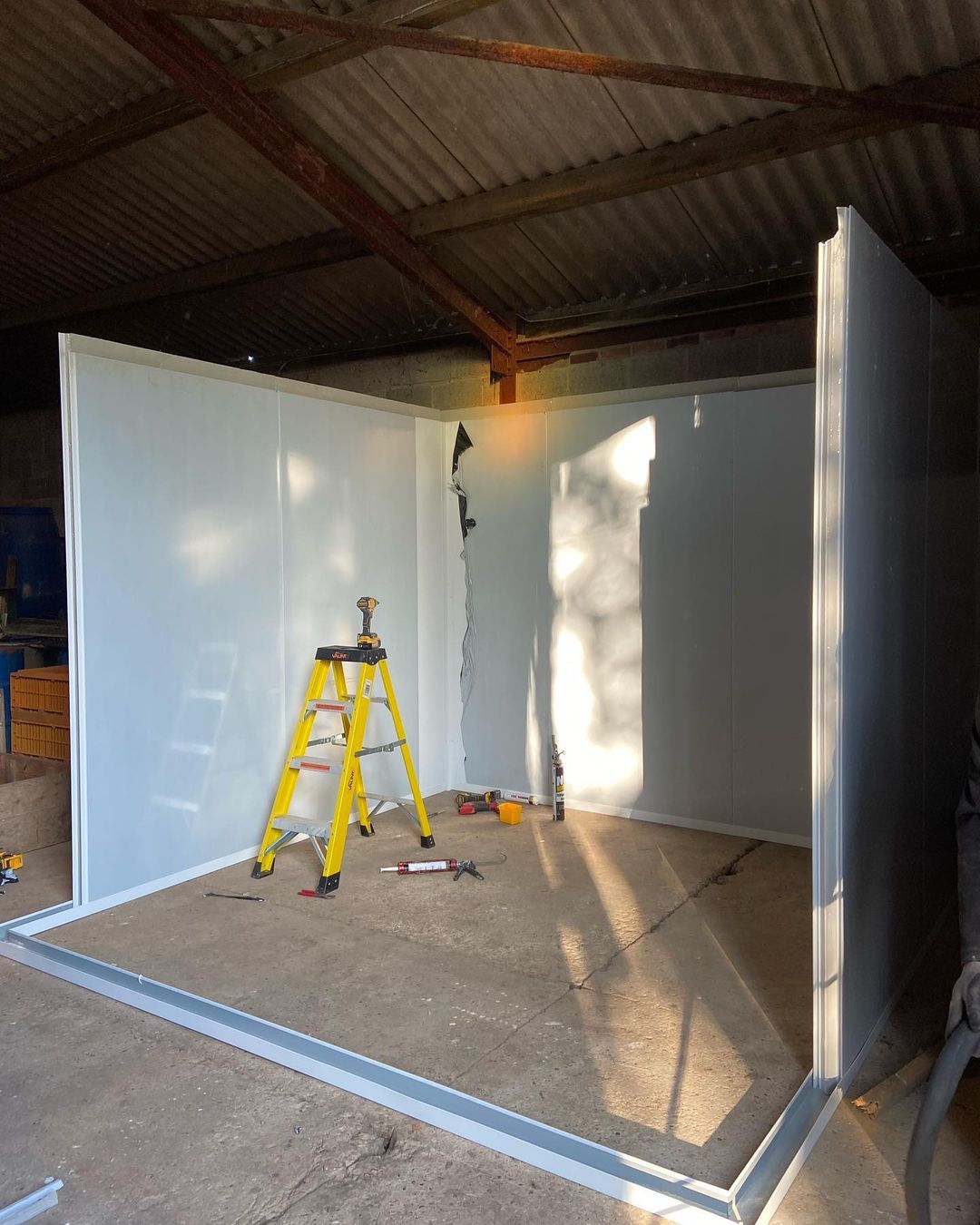
Trained technicians handle the entire installation process, ensuring that the system is correctly configured and ready to use.

Post-Installation Support

Ongoing support ensures that your blast freezer continues to perform efficiently, with regular maintenance checks.

The Importance of Proper Maintenance

Routine Maintenance Services by The Cold Room Kahuna

Routine checks can prevent breakdowns and extend the life of your blast freezer, ensuring your investment is protected.

Common Maintenance Practices for Longevity

  • Regular Defrosting
  • Checking and Replacing Seals
  • Cleaning Coils and Condensers

Energy Efficiency in Modern Blast Freezers

Energy-Saving Technologies

Modern blast freezers are designed with energy-efficient compressors and insulation, reducing power consumption.

Cost Savings and Environmental Impact

Energy-efficient models lower operational costs and contribute to a greener environment by minimizing energy waste.

Cost of Blast Freezer Installation in Kenya

Factors That Affect Pricing

  • Size and Capacity
  • Customization Needs
  • Location and Accessibility

Average Costs and Budgeting Tips

While prices vary, budgeting for quality installation ensures long-term savings on repairs and replacements.

Common Challenges in Blast Freezer Installation

Addressing Installation Challenges

Some challenges include space constraints and power availability. The Cold Room Kahuna’s expertise ensures a smooth process.

How The Cold Room Kahuna Manages Challenges

They offer tailored solutions to address common hurdles, ensuring minimal disruption during the installation process.

Success Stories and Case Studies

Businesses Transformed by Blast Freezing in Kenya

Several Kenyan businesses have seen improved product quality and reduced waste through blast freezing.

Testimonials from Satisfied Clients

Clients appreciate The Cold Room Kahuna’s professionalism and the efficiency of their installed systems.

How to Choose the Right Blast Freezer Installation Service

Questions to Ask Your Service Provider

  • What types of freezers do you offer?
  • What is your experience in the industry?
  • Do you provide after-sales support?

Comparing Different Providers in Kenya

The Cold Room Kahuna stands out for its tailored approach and dedicated customer service.

The Future of Blast Freezing Technology in Kenya

Innovations and Trends

New technologies focus on enhanced energy efficiency and smart monitoring systems, making blast freezers more user-friendly.

The Role of The Cold Room Kahuna in Shaping the Industry

With continuous investment in new technology, The Cold Room Kahuna is at the forefront of Kenya’s refrigeration industry.

Conclusion

Blast freezer installation is a smart investment for businesses looking to improve their product preservation. The Cold Room Kahuna offers expert installation services, ensuring that your freezing needs are met with efficiency and reliability. With their tailored solutions and exceptional after-sales support, The Cold Room Kahuna is the top choice for blast freezer installation in Kenya.


FAQs

  1. What is the lifespan of a blast freezer?
    A well-maintained blast freezer can last up to 15 years or more, depending on usage and care.
  2. How long does the installation process take?
    The installation time varies based on the complexity of the setup but typically ranges from a few days to a week.
  3. Are blast freezers energy efficient?
    Yes, modern blast freezers come with energy-saving features like high-efficiency compressors and advanced insulation.
  4. Can a blast freezer be customized for specific needs?
    Absolutely! The Cold Room Kahuna offers customizable solutions to fit the unique requirements of each business.
  5. What kind of support is provided after installation?
    The Cold Room Kahuna provides comprehensive after-sales support, including regular maintenance and troubleshooting services.

Comprehensive Guide to Bitzer, Tecumseh, and Danfoss Cold Room Condensing Units R404A for Sale in Kenya by The Cold Room Kahuna

Introduction

Cold storage is a critical component in various industries, including food preservation, pharmaceuticals, and logistics. In Kenya, the demand for efficient and reliable cold room solutions is on the rise. The Cold Room Kahuna, a leading provider of refrigeration solutions, offers an array of high-quality condensing units, including those from renowned brands such as Bitzer, Tecumseh, and Danfoss. This article delves into the details of these condensing units, specifically the R404A models, exploring their features, benefits, and applications.

Outline

Introduction

  • Overview of cold storage importance
  • Introduction to The Cold Room Kahuna
  • Focus on Bitzer, Tecumseh, and Danfoss condensing units R404A

Bitzer Cold Room Condensing Units R404A

  • Introduction to Bitzer
  • Technical specifications of Bitzer R404A units
  • Applications of Bitzer condensing units
  • Benefits of using Bitzer units
  • Challenges and limitations
  • Innovations in Bitzer technology
  • Future prospects

Tecumseh Cold Room Condensing Units R404A

  • Introduction to Tecumseh
  • Technical specifications of Tecumseh R404A units
  • Applications of Tecumseh condensing units
  • Benefits of using Tecumseh units
  • Challenges and limitations
  • Innovations in Tecumseh technology
  • Future prospects

Danfoss Cold Room Condensing Units R404A

  • Introduction to Danfoss
  • Technical specifications of Danfoss R404A units
  • Applications of Danfoss condensing units
  • Benefits of using Danfoss units
  • Challenges and limitations
  • Innovations in Danfoss technology
  • Future prospects

Comparative Analysis

  • Bitzer vs. Tecumseh vs. Danfoss: A comparative overview
  • Performance comparison
  • Cost-effectiveness
  • Suitability for different industries

Installation and Maintenance

  • Installation guidelines for cold room condensing units
  • Maintenance best practices
  • Troubleshooting common issues

User Guides and Tutorials

  • Step-by-step installation guide
  • Operating the condensing units efficiently
  • Safety precautions

Case Studies

  • Real-world applications in Kenya
  • Success stories from The Cold Room Kahuna customers

Expert Insights

  • Quotes and advice from refrigeration experts
  • Insights on choosing the right condensing unit

Conclusion

  • Summary of key points
  • Call to action for further information and purchases

FAQs

  • Common questions about cold room condensing units
  • Specific queries about Bitzer, Tecumseh, and Danfoss units
  • Maintenance and troubleshooting FAQs

Content

Introduction

Cold storage plays an essential role in maintaining the quality and safety of perishable goods, medicines, and other temperature-sensitive products. In Kenya, where the climate can be harsh and inconsistent, having reliable cold storage solutions is crucial for various industries. The Cold Room Kahuna has established itself as a trusted provider of these solutions, offering high-quality condensing units from leading brands like Bitzer, Tecumseh, and Danfoss. This article explores the specifications, applications, and benefits of these R404A condensing units, providing valuable insights for businesses seeking efficient refrigeration systems.

Bitzer Cold Room Condensing Units R404A

Introduction to Bitzer

Bitzer is a globally recognized brand known for its high-performance refrigeration and air conditioning products. With decades of experience in the industry, Bitzer has developed a range of condensing units that are both reliable and efficient. The R404A models are specifically designed for medium and low-temperature applications, making them ideal for cold storage needs in Kenya.

Technical Specifications of Bitzer R404A Units

Bitzer’s R404A condensing units come with a variety of specifications tailored to meet different cold storage requirements. Key features include:

  • Compressor Types: Semi-hermetic reciprocating compressors
  • Cooling Capacity: Ranges from 2.7 kW to 60 kW
  • Energy Efficiency: High COP (Coefficient of Performance)
  • Refrigerant: Optimized for R404A
  • Construction: Robust design with corrosion-resistant materials

Applications of Bitzer Condensing Units

Bitzer condensing units are versatile and can be used in a wide range of applications:

  • Food Storage: Ideal for meat, dairy, and fresh produce storage
  • Pharmaceuticals: Maintaining the integrity of temperature-sensitive drugs and vaccines
  • Logistics: Ensuring goods remain fresh during transport

Benefits of Using Bitzer Units

  • Reliability: Known for their durability and long service life
  • Efficiency: High energy efficiency reduces operational costs
  • Performance: Consistent and reliable cooling performance
  • Support: Strong after-sales service and support from Bitzer

Challenges and Limitations

  • Initial Cost: Higher upfront cost compared to some other brands
  • Maintenance: Requires regular maintenance to ensure optimal performance

Innovations in Bitzer Technology

Bitzer continues to innovate with advancements such as:

  • Variable Speed Compressors: Enhance energy efficiency
  • Digital Monitoring Systems: Improve maintenance and troubleshooting

Future Prospects

Bitzer is investing in sustainable technologies and refrigerants with lower global warming potential (GWP), ensuring their products remain environmentally friendly and compliant with future regulations.

Tecumseh Cold Room Condensing Units R404A

Introduction to Tecumseh

Tecumseh is a leading name in the refrigeration and air conditioning industry, renowned for its innovative and reliable products. Tecumseh’s R404A condensing units are designed to meet the rigorous demands of modern cold storage facilities.

Technical Specifications of Tecumseh R404A Units

Tecumseh’s R404A condensing units feature:

  • Compressor Types: Hermetic reciprocating compressors
  • Cooling Capacity: From 1.5 kW to 25 kW
  • Energy Efficiency: High-efficiency models available
  • Refrigerant: Compatible with R404A
  • Design: Compact and robust construction

Applications of Tecumseh Condensing Units

  • Retail: Supermarkets and grocery stores
  • Food Processing: Chilling and freezing applications
  • Hospitality: Restaurants and catering services

Benefits of Using Tecumseh Units

  • Compact Size: Space-saving design
  • Cost-Effective: Competitive pricing
  • Dependability: Proven track record in various industries
  • Availability: Wide distribution network ensures easy access to products

Challenges and Limitations

  • Capacity Range: Limited to smaller to mid-size applications
  • Customization: Fewer customization options compared to Bitzer

Innovations in Tecumseh Technology

Tecumseh is at the forefront of several technological innovations:

  • High-Efficiency Models: Designed to reduce energy consumption
  • Noise Reduction: Quieter operation for commercial environments

Future Prospects

Tecumseh is focusing on enhancing the efficiency and sustainability of its products, with research into alternative refrigerants and more efficient compressor designs.

Danfoss Cold Room Condensing Units R404A

Introduction to Danfoss

Danfoss is a global leader in engineering solutions, including refrigeration technologies. Their R404A condensing units are engineered for superior performance in cold storage applications.

Technical Specifications of Danfoss R404A Units

Danfoss condensing units offer:

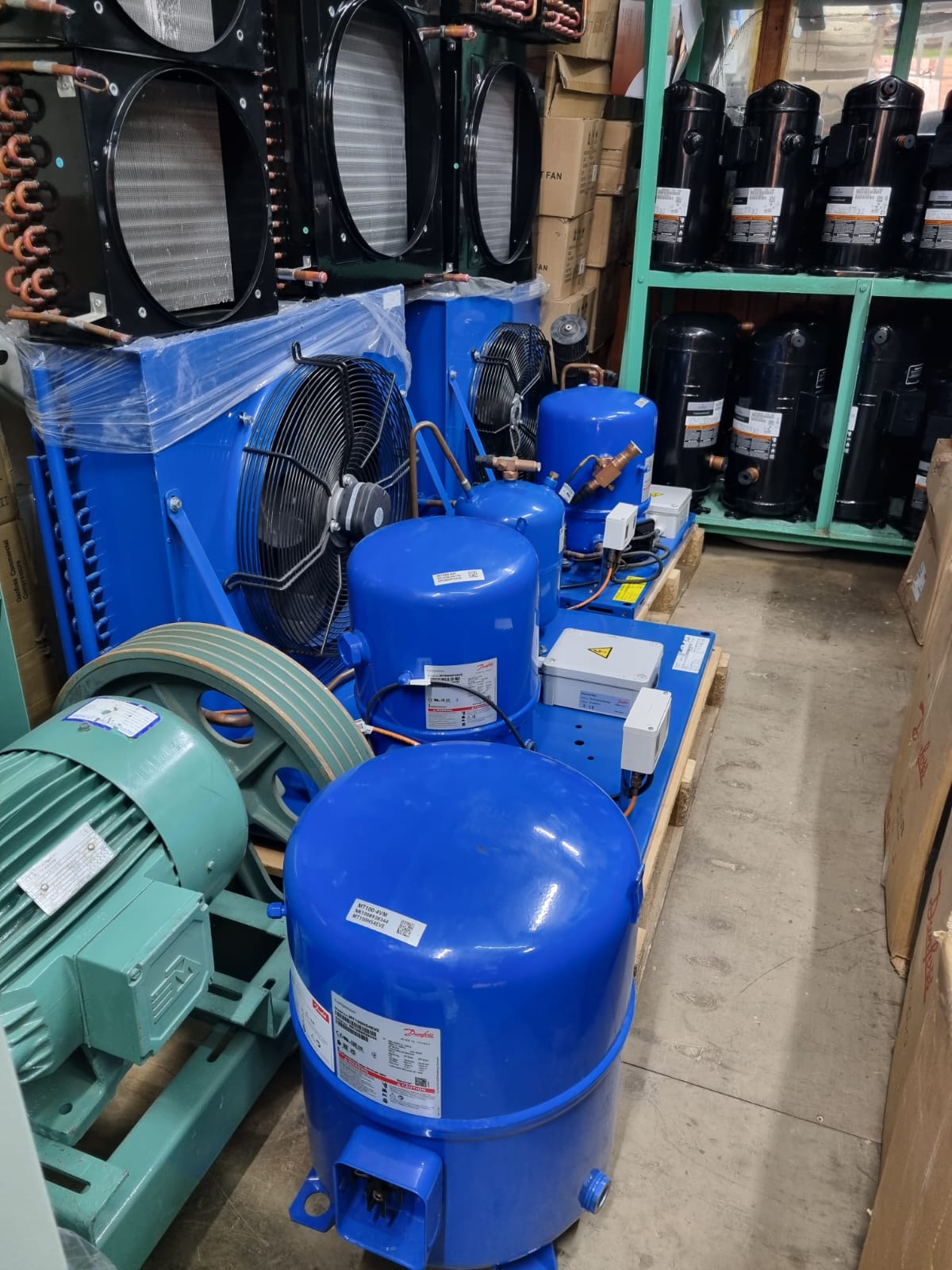
  • Compressor Types: Scroll and reciprocating compressors
  • Cooling Capacity: From 2 kW to 40 kW
  • Energy Efficiency: High SEER (Seasonal Energy Efficiency Ratio)
  • Refrigerant: Compatible with R404A and other refrigerants
  • Build Quality: Durable materials and construction

Applications of Danfoss Condensing Units

  • Industrial: Large-scale food processing plants
  • Healthcare: Hospitals and laboratories
  • Distribution Centers: Cold chain logistics

Benefits of Using Danfoss Units

  • Innovative Technology: Incorporation of the latest technologies
  • Energy Savings: Designed for high efficiency
  • Durability: Built to withstand harsh operating conditions
  • Global Support: Extensive global service network

Challenges and Limitations

  • Complexity: Advanced technology may require specialized knowledge for maintenance
  • Initial Investment: Higher initial investment costs

Innovations in Danfoss Technology

Danfoss is known for continuous innovation:

  • Smart Controls: Integration of IoT for better control and monitoring
  • Energy Optimization: Focus on reducing energy consumption

Future Prospects

Danfoss is leading the way in developing eco-friendly refrigerants and enhancing the overall efficiency of refrigeration systems, aiming for sustainability and regulatory compliance.

Comparative Analysis

Bitzer vs. Tecumseh vs. Danfoss: A Comparative Overview

Each brand offers unique advantages and features:

  • Bitzer: High capacity, robust design, and advanced technology
  • Tecumseh: Cost-effective, compact, and reliable for smaller applications
  • Danfoss: Innovative, efficient, and durable

Performance Comparison

  • Bitzer: Best for high-capacity, demanding applications
  • Tecumseh: Suitable for smaller to mid-sized applications
  • Danfoss: Ideal for a wide range of applications with a focus on efficiency

Cost-Effectiveness

  • Bitzer: Higher initial cost, lower long-term operating costs
  • Tecumseh: Affordable upfront cost, suitable for budget-conscious buyers
  • Danfoss: Balance between initial cost and long-term savings

Suitability for Different Industries

  • Bitzer: Best for industrial and large-scale applications
  • Tecumseh: Perfect for retail and small commercial setups
  • Danfoss: Versatile for both commercial and industrial use

Installation and Maintenance

Installation Guidelines for Cold Room Condensing Units

Proper installation is crucial for the optimal performance of condensing units:

  • Site Preparation: Ensure adequate space and ventilation
  • Mounting: Securely mount the unit to minimize vibrations
  • Electrical Connections: Follow manufacturer guidelines for wiring
  • Refrigerant Charging: Properly charge the unit with R404A refrigerant

Maintenance Best Practices

Regular maintenance ensures longevity and efficiency:

  • Routine Inspections: Check for leaks, vibrations, and unusual noises
  • Cleaning: Keep coils and filters clean to ensure proper airflow
  • Lubrication: Regularly lubricate moving parts as recommended

Troubleshooting Common Issues

  • Inadequate Cooling: Check refrigerant levels and compressor operation
  • High Energy Consumption: Inspect for blockages and ensure proper airflow
  • Noise: Tighten loose components and check for wear and tear

User Guides and Tutorials

Step-by-Step Installation Guide

  1. Preparation: Gather all necessary tools and materials
  2. Positioning: Place the unit in a well-ventilated area
  3. Mounting: Secure the unit to the floor or wall
  4. Connections: Connect electrical wiring and refrigerant lines
  5. Testing: Perform a test run to ensure proper operation

Operating the Condensing Units Efficiently

  • Optimal Settings: Set the temperature and humidity levels according to the storage requirements
  • Regular Monitoring: Use monitoring systems to track performance
  • Preventive Maintenance: Schedule regular maintenance checks

Safety Precautions

  • Electrical Safety: Ensure all electrical connections are properly insulated
  • Handling Refrigerants: Follow safety guidelines for handling and storing refrigerants
  • Personal Protective Equipment: Wear appropriate gear when servicing units

Case Studies

Real-World Applications in Kenya

Several businesses in Kenya have benefited from using Bitzer, Tecumseh, and Danfoss condensing units:

  • Food Processing Plant: Improved efficiency and reduced spoilage
  • Pharmaceutical Storage: Maintained critical temperature controls
  • Supermarkets: Enhanced cooling performance and reliability

Success Stories from The Cold Room Kahuna Customers

  • Dairy Farm: Increased milk shelf-life with Bitzer units
  • Restaurant Chain: Achieved consistent refrigeration with Tecumseh units
  • Logistics Company: Enhanced cold chain reliability with Danfoss units

Expert Insights

Quotes and Advice from Refrigeration Experts

Industry experts emphasize the importance of choosing the right condensing unit:

  • Dr. John Muriuki, Refrigeration Specialist: “Selecting a unit that matches your cooling capacity needs is critical for efficiency and cost savings.”
  • Grace Wanjiku, Cold Storage Consultant: “Regular maintenance and proper installation are key to maximizing the lifespan of your condensing units.”

Insights on Choosing the Right Condensing Unit

Consider factors such as cooling capacity, energy efficiency, and brand reputation when selecting a condensing unit.

Conclusion

In conclusion, Bitzer, Tecumseh, and Danfoss offer robust and reliable R404A condensing units suitable for various cold storage applications in Kenya. The Cold Room Kahuna provides these units, ensuring businesses can maintain the quality and safety of their temperature-sensitive products. By choosing the right unit and following proper installation and maintenance practices, businesses can achieve efficient and cost-effective cold storage solutions.

FAQs

Common Questions About Cold Room Condensing Units

Q: What is R404A refrigerant? A: R404A is a commonly used refrigerant in commercial refrigeration applications known for its efficiency and effectiveness.

Q: How do I choose the right condensing unit? A: Consider your cooling capacity needs, energy efficiency, and the specific application to choose the right unit.

Specific Queries About Bitzer, Tecumseh, and Danfoss Units

Q: Are Bitzer units suitable for large-scale industrial applications? A: Yes, Bitzer units are ideal for high-capacity, demanding applications.

Q: What makes Tecumseh units cost-effective? A: Tecumseh units offer competitive pricing and are designed for smaller to mid-sized applications.

Maintenance and Troubleshooting FAQs

Q: How often should I perform maintenance on my condensing unit? A: Regular maintenance should be performed quarterly or as recommended by the manufacturer.

Q: What should I do if my unit is not cooling properly? A: Check refrigerant levels, inspect for blockages, and ensure proper airflow to troubleshoot cooling issues.

1. Temperature Fluctuations

Problem: Temperature fluctuations can lead to spoilage of stored goods and increased energy consumption.

Solutions:

Regular Maintenance: Schedule regular maintenance checks for cooling systems to ensure they are functioning optimally.
Proper Insulation: Ensure the cold room is well-insulated to maintain a consistent temperature.
Calibrated Thermostats: Use accurate and well-calibrated thermostats to monitor and control the temperature.
Door Seals: Check and replace worn-out door seals to prevent cold air from escaping.

2. Frost Build-Up

Problem: Frost build-up on walls, ceilings, and evaporator coils reduces cooling efficiency and can damage stored goods.

Solutions:

Defrosting Cycles: Implement regular defrosting cycles to prevent excessive frost accumulation.
Humidity Control: Use dehumidifiers to control moisture levels inside the cold room.
Proper Air Circulation: Ensure adequate air circulation to prevent humidity build-up.

3. Inadequate Airflow

Problem: Poor airflow can result in uneven cooling and hot spots within the cold room.

Solutions:

Fan Maintenance: Regularly inspect and clean fans to ensure they are operating efficiently.
Strategic Placement: Arrange goods to allow for adequate airflow around them.
Air Curtains: Install air curtains at entry points to maintain airflow and temperature consistency.

4. Power Failures

Problem: Power failures can lead to temperature rise and spoilage of goods.

Solutions:

Backup Power: Install a reliable backup power source, such as a generator, to keep the cold room running during power outages.
Alarm Systems: Implement alarm systems to alert staff of power failures so that immediate action can be taken.

5. High Energy Consumption

Problem: High energy consumption increases operational costs.

Solutions:

Energy-Efficient Equipment: Use energy-efficient cooling units and LED lighting to reduce energy usage.
Regular Maintenance: Ensure that all equipment is regularly maintained and functioning efficiently.
Temperature Settings: Avoid setting the temperature lower than necessary.

6. Condensation Issues

Problem: Condensation can lead to mold growth and structural damage.

Solutions:

Proper Ventilation: Ensure proper ventilation to control humidity levels.
Regular Inspections: Conduct regular inspections for signs of condensation and take immediate action.
Insulation: Use appropriate insulation to prevent condensation on walls and ceilings.

7. Inadequate Space Utilization

Problem: Poor space utilization can lead to inefficient cooling and increased energy costs.

Solutions:

Shelving Systems: Implement efficient shelving systems to maximize space utilization.
Proper Stacking: Ensure goods are stacked properly to allow for optimal airflow.
Inventory Management: Use inventory management practices to avoid overloading the cold room.

8. Door Issues

Problem: Doors that do not close properly can cause temperature loss and increased energy consumption.

Solutions:

Regular Checks: Regularly check door hinges, seals, and closing mechanisms.
Automatic Closers: Install automatic door closers to ensure doors are not left open accidentally.
Inspection Strips: Use inspection strips to check for air leaks around doors.

9. Refrigerant Leaks

Problem: Refrigerant leaks can cause cooling inefficiency and are harmful to the environment.

Solutions:

Leak Detection Systems: Install leak detection systems to identify leaks early.
Regular Inspections: Conduct regular inspections of cooling systems to identify and repair leaks.
Proper Maintenance: Ensure proper maintenance of refrigerant lines and connections.

10. Overloading

Problem: Overloading the cold room can lead to uneven cooling and increased strain on the cooling system.

Solutions:

Capacity Management: Adhere to the recommended storage capacity of the cold room.
Organized Storage: Use an organized storage system to avoid overloading specific areas.
By addressing these common problems with appropriate solutions, the efficiency and reliability of cold rooms can be significantly improved, ensuring the preservation of stored goods and reducing operational costs.

Investing in a quality cold room installation in Kenya requires considering several factors that influence the overall cost. These factors include the size and type of the cold room, the temperature requirements, the insulation materials, the refrigeration system, and any additional features such as remote monitoring or backup power systems. Based on these considerations, here’s a breakdown of potential costs:

1. Size and Type of Cold Room
Small Cold Rooms: Ideal for small businesses or small-scale storage needs, typically ranging from 10 to 20 cubic meters.

Cost Estimate: KSh 500,000 to KSh 1,000,000 (approximately $4,500 to $9,000).
Medium Cold Rooms: Suitable for medium-sized businesses, restaurants, or larger storage requirements, usually between 20 to 50 cubic meters.

Cost Estimate: KSh 1,000,000 to KSh 2,500,000 (approximately $9,000 to $22,500).
Large Cold Rooms: For large-scale storage, industrial use, or commercial warehouses, typically above 50 cubic meters.

Cost Estimate: KSh 2,500,000 to KSh 10,000,000 (approximately $22,500 to $90,000).
2. Temperature Requirements
Chilled Cold Rooms (0°C to 10°C): Used for storing fruits, vegetables, dairy, and other perishable items.

Cost Impact: Standard pricing within the ranges mentioned above.
Freezer Cold Rooms (-18°C to -30°C): Required for storing frozen goods, meat, fish, and other items that need deep freezing.

Cost Impact: Generally, 20-30% higher than chilled cold rooms due to more robust insulation and powerful refrigeration units.
3. Insulation Materials
Polyurethane (PU) Panels: Highly efficient and commonly used.

Cost Impact: Standard cost, often included in base pricing.
Expanded Polystyrene (EPS) Panels: Less efficient than PU but more affordable.

Cost Impact: Slightly reduces overall cost but might increase long-term energy expenses.
4. Refrigeration System
Standard Refrigeration Units: Suitable for basic needs.

Cost Impact: Standard pricing.
Advanced Refrigeration Units: Energy-efficient, with advanced features like remote monitoring.

Cost Impact: Additional KSh 200,000 to KSh 500,000 ($1,800 to $4,500).
5. Additional Features
Remote Monitoring Systems: Enables real-time monitoring of temperature and system performance.

Cost Impact: Additional KSh 100,000 to KSh 300,000 ($900 to $2,700).
Backup Power Systems: Essential for areas with unreliable power supply.

Cost Impact: Additional KSh 200,000 to KSh 500,000 ($1,800 to $4,500).
Summary of Investment
To summarize, a basic small cold room installation might start at around KSh 500,000 ($4,500), while a large, high-end installation with advanced features and backup systems could go up to KSh 10,000,000 ($90,000). It is crucial to get multiple quotes from reputable suppliers and ensure that the chosen installation meets all your specific needs and standards.

Additional Considerations
Maintenance Costs: Regular maintenance is crucial for the longevity and efficiency of the cold room. Budget for annual maintenance costs, which can range from KSh 50,000 to KSh 200,000 ($450 to $1,800).
Energy Costs: Cold rooms are energy-intensive. Factor in the cost of electricity, which will vary depending on usage and local rates.
Conclusion
Investing in a quality cold room in Kenya requires careful planning and consideration of your specific needs. The initial investment can be significant, but it ensures proper storage and preservation of perishable goods, which is critical for many businesses. Talk to The Cold Room Kahuna today. thecoldroomkahuna.com

Talk to Us