

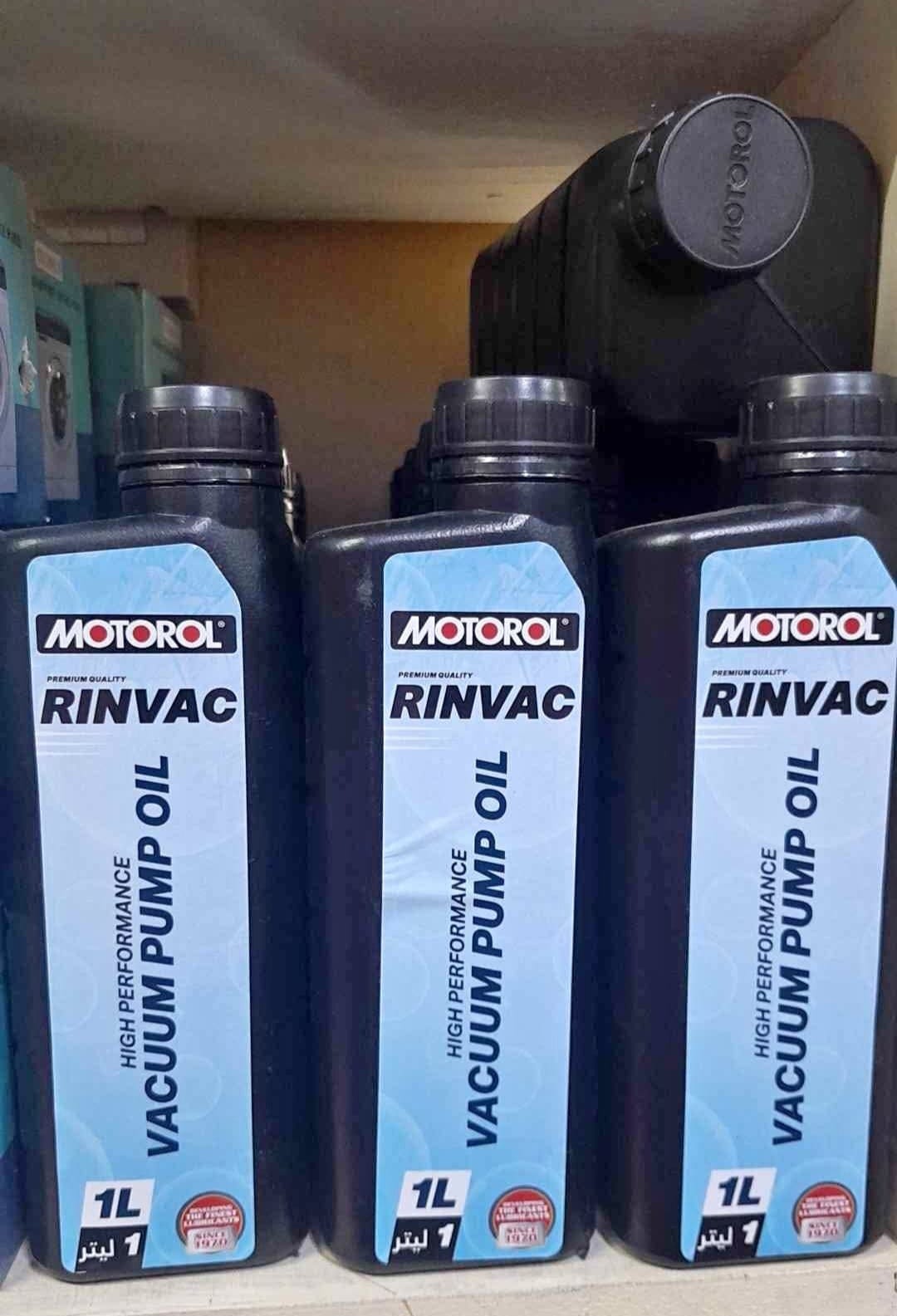
How to Choose the Best Vacuum Pump Oil for HVAC and Refrigeration
Vacuum pump oil is an important maintenance product for HVAC and refrigeration technicians. Choosing the right oil helps support reliable vacuum pump operation when evacuating air, moisture and other unwanted gases from refrigeration and air conditioning systems.
For technicians and contractors, knowing how to choose vacuum pump oil is important because different vacuum pumps can have different oil requirements. Using the wrong oil, contaminated oil or oil that is unsuitable for the pump can affect evacuation performance and increase equipment wear.
Whether you are working on a split air conditioner, cold room, freezer, chiller or industrial refrigeration system, suitable vacuum pump oil can help maintain reliable pump performance.
In this guide, The Cold Room Kahuna explains what vacuum pump oil does, why it matters, how to choose it, when it should be changed and how to identify signs of oil contamination.
What Is Vacuum Pump Oil?
Vacuum pump oil is a lubricant specifically formulated for use in mechanical vacuum pumps.
Unlike ordinary engine oil or general-purpose lubricants, vacuum pump oil is designed for the operating conditions inside a vacuum pump. It provides lubrication for moving components while also helping support the sealing conditions required for efficient vacuum generation.
During HVAC and refrigeration servicing, a vacuum pump is used to evacuate unwanted air and moisture from a refrigeration circuit before the system is charged and commissioned.
The condition and suitability of the pump oil can therefore have an important effect on the pump’s ability to operate effectively.
Why Is Vacuum Pump Oil Important?
Vacuum pump oil performs several functions inside a mechanical vacuum pump.
Depending on the pump design and oil specification, it helps with:
- Lubricating moving components
- Supporting internal sealing
- Reducing friction and wear
- Helping dissipate heat
- Protecting internal components
- Supporting stable vacuum performance
- Maintaining efficient pump operation
When the oil becomes contaminated, degraded or unsuitable for the pump, evacuation performance can be affected.
For technicians who use vacuum pumps regularly, checking the oil condition should therefore be part of normal equipment maintenance.
How Does Vacuum Pump Oil Affect Pump Performance?
A vacuum pump needs suitable oil to operate correctly.
Oil that is contaminated with moisture or other substances may affect the pump’s ability to achieve and maintain a good vacuum. A pump may also take longer to evacuate a system when the oil is in poor condition.
This does not mean that every vacuum problem is caused by the oil.
Poor evacuation can also result from:
- Leaking hoses or fittings
- Damaged valves
- Incorrect connections
- Restricted hoses
- Excessive system moisture
- Refrigeration system leaks
- Problems with the vacuum pump itself
For this reason, technicians should inspect the complete evacuation setup rather than replacing oil without checking for other possible causes.
Vacuum Pump Oil for Refrigeration Systems
Vacuum pumps are widely used when installing, repairing and commissioning refrigeration systems.
Proper evacuation helps remove air and moisture from the refrigeration circuit before refrigerant charging.
Applications can include:
- Cold rooms
- Walk-in freezers
- Blast freezers
- Commercial refrigeration systems
- Display refrigerators
- Chillers
- Ice-making equipment
- Food processing refrigeration
- Industrial refrigeration systems
During a new installation or repair, technicians should follow the equipment manufacturer’s recommended evacuation procedure and use a vacuum pump maintained according to its manufacturer’s instructions.
If you are planning a refrigeration project, you can also explore our cold room solutions for refrigeration equipment and installation requirements.
Vacuum Pump Oil for Air Conditioning and HVAC
Vacuum pumps are also commonly used during air conditioning installation and servicing.
After an air conditioning system has been installed or the refrigeration circuit has been opened, technicians may evacuate the system before charging or recommissioning it.
This can apply to:
- Split air conditioners
- Ducted air conditioning systems
- Cassette air conditioners
- Commercial HVAC systems
- Central air conditioning systems
- VRF and VRV systems
- Industrial air conditioning systems
A properly maintained vacuum pump is therefore an important tool for HVAC technicians.
For professional HVAC projects, The Cold Room Kahuna also supplies and supports air conditioning equipment and installation services.
What Happens When Vacuum Pump Oil Becomes Contaminated?
Vacuum pump oil can become contaminated during normal use.
Moisture, refrigerant residues, dirt and other contaminants can enter the pump, particularly when servicing refrigeration systems that have been exposed to atmospheric air or moisture.
Signs that the oil may require attention include:
- Cloudy or milky-looking oil
- Significant discolouration
- Visible contamination
- Unusual oil appearance
- Poor vacuum performance
- Longer evacuation times
- Increased pump temperature
- Unusual pump noise
Cloudy oil can be an indication of moisture contamination, but technicians should consider the complete condition of the pump and application before diagnosing the cause.
If the oil is contaminated, changing it according to the pump manufacturer’s recommendations can help restore suitable operating conditions.
How Often Should Vacuum Pump Oil Be Changed?
There is no single oil-change interval that applies to every vacuum pump.
The appropriate frequency depends on factors such as:
- Pump design
- Manufacturer recommendations
- Frequency of use
- Type of refrigeration or HVAC work
- Amount of moisture encountered
- Level of contamination
- Operating conditions
A technician who uses a vacuum pump every day may need to change the oil more frequently than someone who uses a pump occasionally.
For this reason, it is better to inspect the oil regularly and follow the manufacturer’s maintenance recommendations rather than relying on one fixed interval.
How to Choose Vacuum Pump Oil
When choosing vacuum pump oil, compatibility with the vacuum pump should be the first consideration.
1. Check the Vacuum Pump Manufacturer
Different vacuum pumps may require different oil specifications.
Before purchasing oil, check the pump’s:
- Brand
- Model
- Manufacturer’s oil recommendation
- Technical manual
- Recommended viscosity
If you are unsure which oil is appropriate, provide the pump brand and model to your refrigeration equipment supplier or qualified technician.
2. Check the Recommended Oil Viscosity
Vacuum pump oils are available in different viscosity grades.
The correct viscosity depends on the design and manufacturer’s requirements for the particular pump.
Some vacuum pump oils are available in ISO viscosity grades such as VG 46, but you should not select an oil simply because the viscosity appears similar to another product.
Always check the manufacturer’s specification first.
3. Use Oil Designed for Vacuum Pumps
Vacuum pump oil should not automatically be replaced with ordinary automotive engine oil or another general-purpose lubricant.
Vacuum pumps operate under conditions that require suitable lubrication and vapour characteristics.
Using an unsuitable lubricant can affect pump performance and may contribute to unnecessary wear.
4. Consider the Application
Consider how frequently the vacuum pump is used and the type of systems being evacuated.
A technician regularly servicing cold rooms, refrigeration systems and air conditioners may expose the pump to more moisture and contaminants than an occasional user.
Frequent professional use makes regular oil inspection and maintenance particularly important.
Can Refrigeration Compressor Oil Be Used in a Vacuum Pump?
You should not assume that refrigeration compressor oil and vacuum pump oil are interchangeable.
Although both are used in refrigeration-related work, they are designed for different equipment and operating conditions.
Refrigeration compressor oil is selected according to factors such as the compressor, refrigerant and refrigeration system.
Vacuum pump oil is specifically intended for the vacuum pump.
The Cold Room Kahuna also supplies refrigeration oils such as Suniso refrigeration oil and Emkarate refrigeration oil. These products should not automatically be substituted for vacuum pump oil.
Always check the equipment manufacturer’s recommended lubricant before changing oil.
Vacuum Pump Oil and Pump Maintenance
Changing the oil is only one part of maintaining a vacuum pump.
Check the Oil Level
Check the oil level according to the manufacturer’s instructions.
Operating with insufficient oil can affect lubrication and pump performance.
Inspect Oil Condition
Regularly inspect the oil for cloudiness, contamination, unusual discolouration or other signs of degradation.
Check Pump Connections
Inspect fittings, valves and connections for leaks or damage.
A leak in the evacuation setup can make it appear that the pump is not performing correctly when the actual problem is elsewhere in the system.
Inspect Vacuum Hoses
Use suitable vacuum-rated hoses and keep connections clean.
The evacuation setup should be designed to minimise unnecessary restrictions and leaks.
Follow a Regular Maintenance Schedule
Technicians who use vacuum pumps frequently should establish a practical maintenance routine based on the pump manufacturer’s recommendations and their working conditions.
Regular maintenance can help identify problems before they result in poor evacuation performance or unnecessary equipment downtime.
Common Vacuum Pump Oil Problems
Cloudy Vacuum Pump Oil
Cloudy or milky oil can indicate moisture contamination.
If this occurs, inspect the pump and consider whether an oil change is required according to the manufacturer’s recommendations.
Dark or Degraded Oil
Significantly darkened or degraded oil may indicate that the oil has been exposed to demanding operating conditions or contaminants.
The oil should be assessed and replaced when required.
Low Oil Level
Low oil can affect lubrication and pump operation.
Always maintain the oil level according to the pump manufacturer’s instructions.
Poor Vacuum Performance
Poor vacuum performance can have several causes.
Before replacing the pump, check:
- Oil condition
- Oil level
- Hoses
- Fittings
- Valves
- Connections
- System leaks
- Moisture levels
- Pump condition
A systematic inspection can help identify the actual cause of the problem.
Vacuum Pump Oil for Cold Room Installation
Cold room installation is one of the applications where vacuum pumps are used during refrigeration system commissioning.
After refrigeration equipment has been installed and the refrigeration circuit has been properly pressure tested, technicians may evacuate the system before charging refrigerant.
This applies to projects such as:
- Walk-in cold rooms
- Frozen storage rooms
- Food storage facilities
- Dairy refrigeration
- Meat storage
- Pharmaceutical cold storage
- Commercial refrigeration
- Industrial refrigeration
Proper installation procedures, leak testing and evacuation are important parts of commissioning a refrigeration system.
For new projects, you can learn more about our cold room installation and refrigeration solutions.
Vacuum Pump Oil for Refrigeration Technicians
Vacuum pump oil is a regular maintenance requirement for many refrigeration and HVAC technicians.
A vacuum pump may be used when:
- Installing a new refrigeration system
- Installing a cold room
- Replacing a compressor
- Repairing a refrigerant leak
- Replacing refrigeration components
- Opening a refrigeration circuit
- Servicing an air conditioning system
- Commissioning HVAC equipment
- Carrying out refrigeration maintenance
Keeping the correct oil available can help reduce unnecessary service interruptions, particularly for technicians who use vacuum pumps frequently.
For other components and service requirements, see our refrigeration equipment and spare parts.
Frequently Asked Questions About Vacuum Pump Oil
What is vacuum pump oil used for?
Vacuum pump oil is used to lubricate and support the operation of mechanical vacuum pumps. In HVAC and refrigeration work, the pump is used to evacuate unwanted air and moisture from refrigeration circuits.
What oil should I use in a refrigeration vacuum pump?
Use the oil recommended by the vacuum pump manufacturer. Check the pump model, manufacturer’s instructions and required viscosity before selecting replacement oil.
Can I use engine oil in a vacuum pump?
Engine oil should not automatically be substituted for vacuum pump oil. Vacuum pumps require lubricants designed for their operating conditions. Always follow the pump manufacturer’s recommendations.
How often should vacuum pump oil be changed?
The required interval varies depending on the pump, frequency of use, application and level of contamination. Inspect the oil regularly and follow the manufacturer’s recommended maintenance schedule.
Why does vacuum pump oil become cloudy?
Cloudy or milky oil can indicate moisture contamination. If the oil becomes contaminated, pump performance may be affected and an oil change may be required.
Does vacuum pump oil affect vacuum performance?
Yes. The condition and suitability of the oil can affect pump operation and vacuum performance. However, poor vacuum can also be caused by leaks, hoses, fittings, valves, moisture or problems with the pump itself.
Is vacuum pump oil the same as refrigeration compressor oil?
No. They are designed for different equipment. Compressor oil is selected for the refrigeration compressor and refrigerant system, while vacuum pump oil is intended for the vacuum pump.
Can vacuum pump oil be used for air conditioning servicing?
Yes. Vacuum pumps are commonly used during air conditioning installation and servicing. The correct oil should be selected according to the vacuum pump manufacturer’s requirements.
Choosing the Right Vacuum Pump Oil
Choosing vacuum pump oil starts with identifying the requirements of your vacuum pump.
Before replacing the oil, check the pump manufacturer, model, recommended viscosity and maintenance instructions. Also consider how frequently the pump is used and the type of HVAC or refrigeration systems being serviced.
For technicians who already know the oil specification required for their equipment, The Cold Room Kahuna supplies vacuum pump oil for HVAC and refrigeration applications.
You can view the vacuum pump oil product page for current product information and ordering options.
For larger quantities or contractor requirements, contact The Cold Room Kahuna with your vacuum pump brand, model, required quantity and application so we can assist with availability.
Related Refrigeration and HVAC Solutions
Explore more from The Cold Room Kahuna:
- Cold room solutions
- Refrigeration equipment and spare parts
- Refrigeration oils
- Air conditioning supply and installation
- Cold room repair and maintenance
- Industrial ventilation equipment
The Cold Room Kahuna supplies refrigeration, HVAC, cold room and industrial ventilation equipment for customers and projects across Kenya and the wider East African region.